 by
by Tucked into the Alpine slopes of western Austria, Alpbach is often admired for its picture-perfect appearance—uniform wooden houses, flower-filled balconies, and a setting that feels untouched by time. But beyond its visual charm lies a quieter legacy, one shaped not by tourism, but by necessity, skill, and tradition.
Before roads connected the village to the wider world, before visitors arrived with cameras and curiosity, Alpbach was sustained by craftsmanship. Every object—from the beams holding up homes to the clothes worn through harsh winters—was made by hand. These crafts were not optional; they were essential.
Today, many of these traditions have faded into the background. Yet their influence remains visible in the architecture, culture, and identity of the village. You must go past Alpbach’s aesthetic appeal and into the hands that created it in order to truly comprehend it.
A Self-Sufficient World in the Mountains
For centuries, Alpbach existed in relative isolation. Surrounded by steep terrain and difficult access routes, it developed as a largely self-contained community. This isolation shaped the way people lived—and worked.
Without easy access to markets or imported goods, residents relied on what they could produce themselves. This meant:
- Building homes from local timber
- Creating tools for farming and daily tasks
- Producing textiles for clothing and bedding
Skills were passed down within families, often from one generation to the next. Knowledge was practical, rooted in experience, and refined over time.
Craftsmanship wasn’t just about making things—it was about survival.
Woodworking: The Soul of Alpbach
If one craft defines Alpbach, it is woodworking.
Walk through the village and you will notice a striking consistency: nearly every building features wood as its primary material. This is no coincidence. Timber was abundant in the surrounding forests, and over time, working with wood became both a necessity and an art form.
Building with Purpose
In earlier centuries, woodworking focused on function. Houses were constructed to withstand:
- Heavy snowfall
- Cold winters
- Limited resources
Beams were thick, joints were carefully fitted, and structures were designed to last generations.
Furniture, too, followed a practical approach. Tables, beds, and storage chests were built for durability rather than decoration.
From Utility to Expression
As techniques improved, woodworking began to reflect personal style and creativity.
Craftsmen started adding:
- Carved patterns on furniture
- Decorative railings on balconies
- Unique details that distinguished one home from another
These elements were subtle, but they added character. Over time, they contributed to the visual identity that makes Alpbach so recognizable today.
Even now, strict building guidelines ensure that new constructions follow traditional wooden styles, preserving this legacy.
Weaving and Textile Traditions: Crafting Everyday Life
While wood shaped the village’s structures, textiles shaped daily life.
In a time before industrial production, clothing and household fabrics were made entirely by hand. This process was long, labor-intensive, and required a deep understanding of materials.
From Fiber to Fabric
The journey from raw material to finished cloth involved several stages:
- Gathering fibers—usually wool from sheep or flax for linen
- Cleaning and preparing the material
- Spinning fibers into thread
- Weaving thread into fabric
Each step required skill and patience. Mistakes could mean wasted effort, so precision mattered.
Winter Work and Community Life
Textile work was often done during winter, when farming activities slowed down. Homes became workshops where spinning wheels and looms were in constant use.
But this work was not always solitary. In many cases, it was communal.
Neighbors gathered to:
- Spin wool together
- Share techniques
- Exchange stories and traditions
These gatherings turned labor into a social experience, strengthening community ties.
Flax and Linen: A Forgotten Craft
One of the most demanding textile processes involved flax, a plant used to produce linen.
Transforming flax into usable fabric required multiple steps:
- Harvesting and drying the plant
- Breaking and separating fibers
- Spinning fine threads
- Weaving delicate cloth
This process could take weeks or even months, making linen a valuable resource.
Today, remnants of this craft can still be seen in preserved buildings and demonstration sites in the region, offering insight into how intricate and time-consuming it once was.
Milling and the Craft of Food Production
Craftsmanship in Alpbach extended beyond wood and textiles. Food production itself involved specialized skills, particularly milling.
Grain grown in nearby fields needed to be processed into flour. This was done using water-powered mills—ingenious systems that harnessed natural energy from flowing streams.
These mills were central to village life:
- Farmers brought grain to be ground
- Millers maintained and operated the machinery
- Communities depended on the output for daily sustenance
Today, only a few restored mills remain, but they offer a glimpse into how closely daily life was tied to craftsmanship.
The Decline of Traditional Crafts
As the 20th century progressed, Alpbach began to change.
Improved transportation connected the village to larger towns, and industrial goods became more accessible. This shift brought convenience—but also reduced the need for traditional crafts.
Several factors contributed to their decline:
- Factory-made products replaced handmade items
- Younger generations pursued different professions
- Modern materials and methods altered building practices
Gradually, skills that had once been essential became less common.
Preservation Through Identity
Despite these changes, Alpbach did not lose its connection to craftsmanship entirely.
In fact, the village made a conscious decision to preserve its traditional character. One of the most visible examples is its strict architectural policy: all buildings must maintain a traditional wooden style.
This rule has had a profound impact. It ensures that woodworking remains relevant, even if its purpose has evolved.
Craftsmanship has shifted from necessity to identity.
Hidden Crafts Beyond the Familiar
While woodworking and weaving are the most prominent traditions, other crafts also played important roles in Alpbach’s past.
Metalwork
Blacksmiths created tools, nails, and hardware needed for construction and farming.
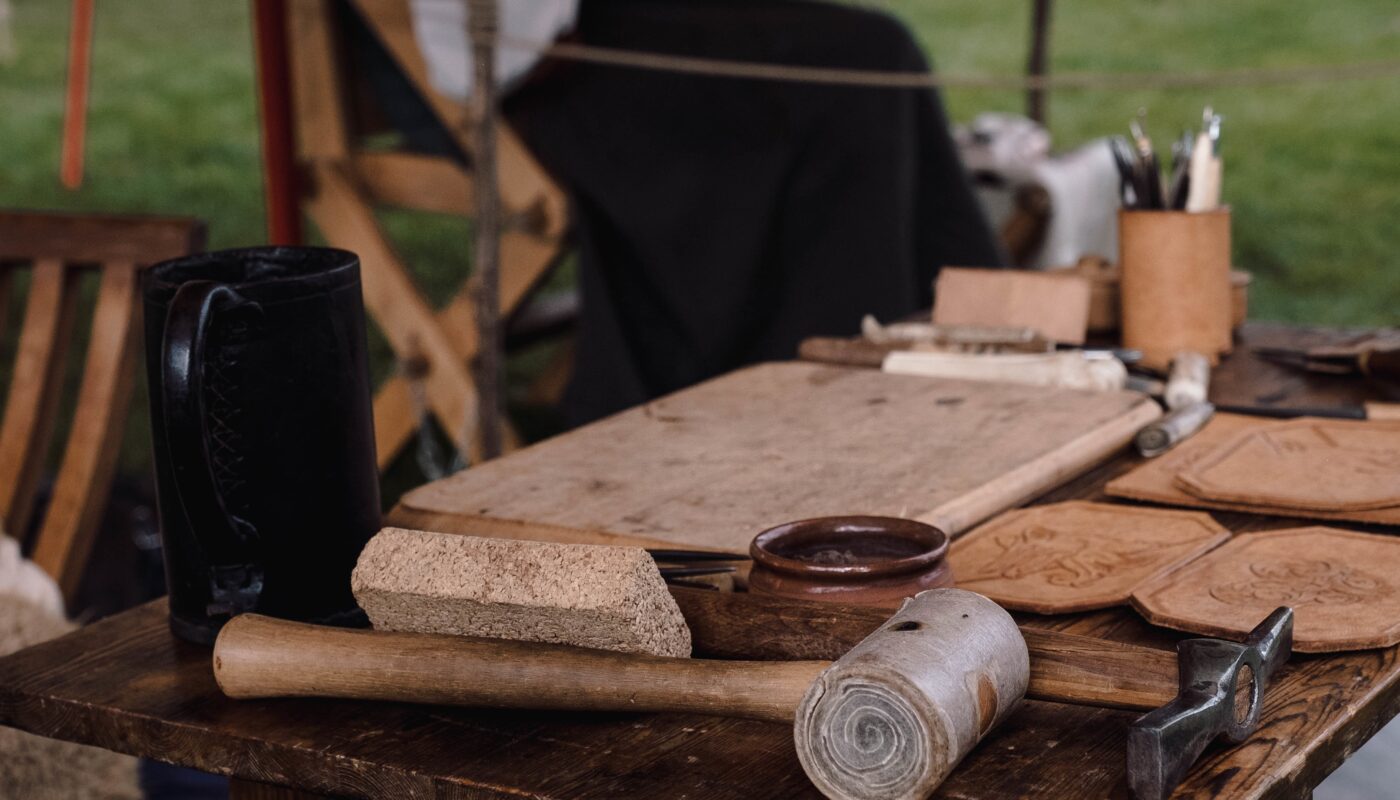
Leatherwork
Shoes, belts, and harnesses were made from locally sourced materials.
Decorative Arts
Embroidery and painting added personal touches to clothing and interiors.
Each of these crafts contributed to a self-sustaining system where little was wasted and everything had purpose.
Why These Crafts Still Matter
At first glance, it may seem that these traditions belong entirely to the past. But their influence continues in subtle ways.
They remind us of:
- The value of manual skill
- The importance of local materials
- The connection between people and their environment
In a world dominated by mass production, these crafts represent a different way of living—one based on patience, care, and intention.
Experiencing Craft Traditions Today
Visitors to Alpbach can still encounter traces of its craft heritage.
You might notice:
- Hand-carved wooden details on homes
- Traditional furniture in guesthouses
- Demonstrations of historic techniques in nearby cultural sites
Even without formal exhibits, the village itself acts as a living museum, where craftsmanship is embedded in everyday surroundings.
A Quiet Revival
In recent years, there has been renewed interest in traditional crafts.
This revival is driven by:
- A desire for sustainable practices
- Appreciation for handmade goods
- Efforts to preserve cultural heritage
Some artisans are blending old techniques with modern design, creating pieces that honor tradition while appealing to contemporary tastes.
This suggests that these crafts may not be entirely “forgotten”—they are simply evolving.
Final Reflections
The story of Alpbach’s forgotten crafts is not just about what has been lost—it is also about what remains.
Woodworking, weaving, milling, and other traditions shaped the village long before it became a destination. They defined how people lived, worked, and interacted with their environment.
Although many of these crafts are no longer central to daily life, their legacy is still visible in the buildings, landscapes, and cultural identity of the village.
To walk through Alpbach is to see more than a beautiful place. It is to see the result of generations of skill, effort, and creativity.
And in that sense, these crafts are not truly forgotten—they are simply woven into the fabric of the village itself, waiting to be noticed.