 by
by Tucked into the gentle landscape of the Tyrolean Alps, the Museum of Tyrolean Farmhouses offers something far more immersive than a typical museum visit. Instead of glass displays and curated exhibits, it presents a living, walkable story of rural life—one that unfolds across wooden houses, winding paths, and quiet meadows.
Located in the village of Kramsach, this open-air museum is an ideal destination for a day trip. It invites visitors to slow down, explore at their own pace, and experience how people once lived in the Alpine regions of Tyrol. The result is not just educational—it’s deeply atmospheric.
Why This Museum Stands Out
There are many museums dedicated to history, but few allow you to physically step into it. What makes this site unique is its approach: instead of recreating the past artificially, it carefully relocates and reconstructs authentic buildings from across Tyrol.
Each farmhouse, barn, and workshop you encounter once stood in a different valley or village. These structures were dismantled piece by piece and rebuilt here, preserving not just their design but their original materials and character.
This gives the museum a sense of authenticity that is hard to replicate. You’re not observing history from a distance—you’re walking through it.
Getting There and First Impressions
Reaching Kramsach is straightforward, whether you’re traveling by car or public transport. The village lies in the scenic Alpbachtal region, surrounded by forests, lakes, and rolling hills.
As you approach the museum, the transition feels subtle but meaningful. Modern roads give way to quieter surroundings, and the entrance itself blends naturally into the landscape.
Arriving in the morning is highly recommended. The early hours offer fewer visitors and a calmer atmosphere, allowing you to take in the environment without distraction.
What to Expect Inside
The museum is spread across a large open area, designed as a gentle walking route rather than a fixed path. There’s no rigid sequence—you’re free to explore in a way that feels natural.
A Collection of Historic Buildings
At the heart of the experience are more than 30 original structures, including:
- Traditional farmhouses
- Storage barns and granaries
- Workshops such as mills and smithies
Each building reflects a specific region of Tyrol, showing how geography, climate, and available materials influenced construction styles.
Some houses are simple and functional, while others reveal a surprising level of craftsmanship. Wooden beams, carved details, and painted interiors tell stories of both necessity and pride.
Interiors That Tell Stories
Stepping inside these buildings is where the experience truly comes alive.
You’ll notice:
- Low ceilings designed to retain heat
- Open hearth kitchens with soot-darkened walls
- Compact living spaces shared by entire families
Every object—from tools to furniture—adds context. You begin to understand how daily life was organized, how work was divided, and how communities functioned.
Rather than overwhelming you with information, the museum lets the spaces speak for themselves.
Daily Life in the Alpine Past
The museum doesn’t just showcase buildings—it recreates a way of life.
As you move from one farmhouse to another, you’ll gain insight into:
- Farming techniques adapted to mountainous terrain
- Seasonal rhythms that shaped daily routines
- The importance of self-sufficiency
You begin to see how closely people were connected to their environment. Weather, soil, and geography were not abstract concepts—they determined survival.
Interactive Elements and Living Culture
One of the most engaging aspects of the museum is its effort to bring history into the present.
Throughout the grounds, you may encounter:
- Demonstrations of traditional crafts
- Interactive exhibits for hands-on learning
- Occasional live events or workshops
Children, in particular, benefit from these features, as they can actively participate rather than simply observe.
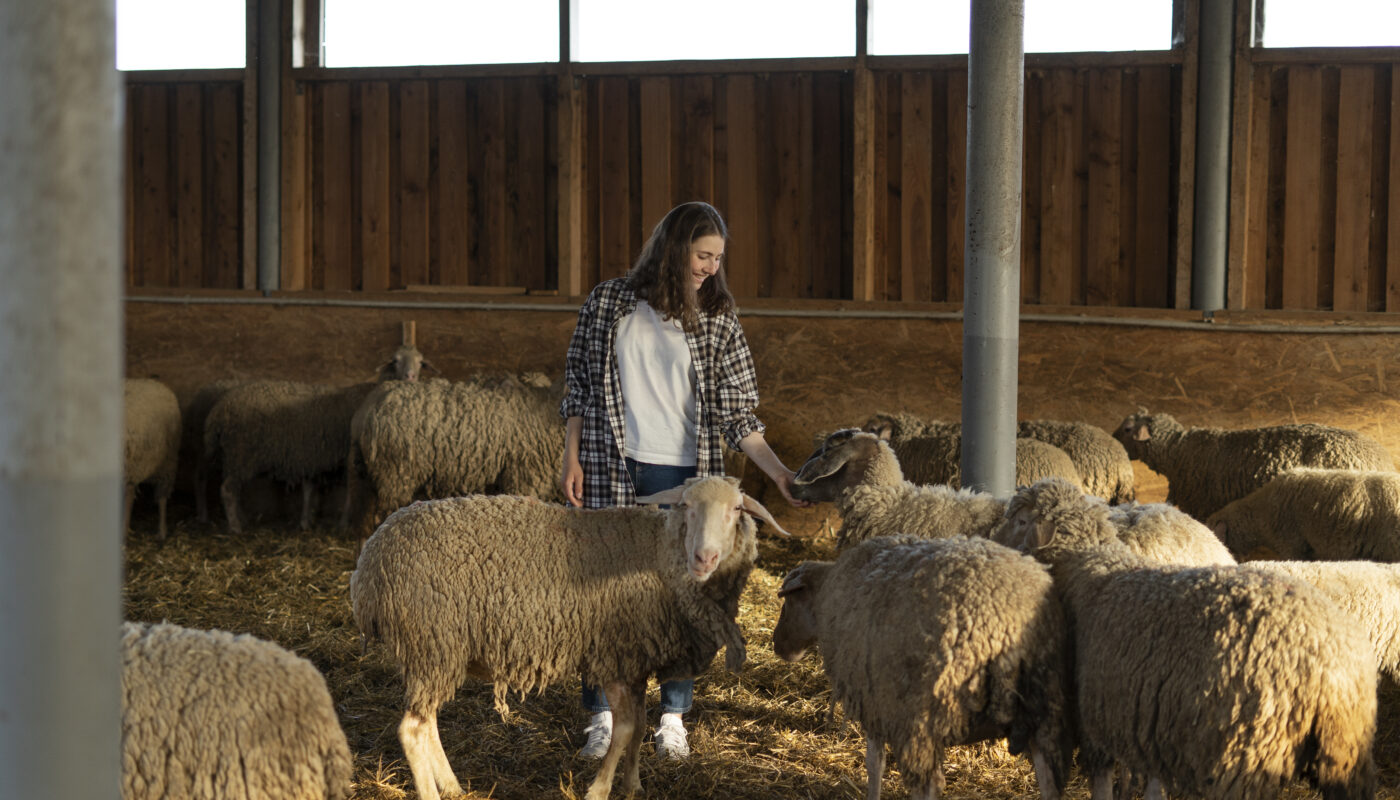
In some areas, animals such as chickens or goats add to the realism, reinforcing the sense that this was once a functioning rural landscape.
A Suggested Day Plan
To make the most of your visit, it helps to approach the day with a loose structure while still allowing for flexibility.
Morning: Orientation and First Exploration
Start by familiarizing yourself with the layout. A map at the entrance shows where each building originated, giving context to what you’ll see.
Begin your walk slowly, taking time to enter each building and absorb its details.
Midday: Deeper Exploration
By late morning, you’ll likely find yourself more engaged with the experience. This is the perfect time to:
- Revisit buildings that caught your attention
- Spend more time reading informational displays
- Engage with any demonstrations taking place
The pace should remain relaxed—there’s no need to rush.
Lunch: A Pause in the Day
Break for lunch at the on-site restaurant or bring your own picnic. Sitting outdoors, surrounded by historic buildings and natural scenery, enhances the sense of stepping away from modern life.
Afternoon: Interactive and Reflective Moments
Use the afternoon to explore remaining sections of the museum and participate in interactive exhibits.
This is also a good time to slow down even further—find a quiet spot, sit for a while, and simply observe the surroundings.
Late Afternoon: Final Walk
Before leaving, take one last walk through the grounds. The light tends to soften in the late afternoon, creating a more peaceful atmosphere.
This final loop often feels more reflective, as you begin to piece together the stories you’ve encountered.
Seasonal Differences
The experience changes depending on when you visit.
Spring and Summer
- Lush greenery and blooming flowers
- Full access to outdoor areas
- More frequent activities and demonstrations
Autumn
- Warm colors and harvest themes
- A quieter, more reflective atmosphere
Winter
- Limited access but a unique, tranquil setting
- Snow adds a different visual dimension
Each season offers a slightly different perspective, but all maintain the museum’s core sense of authenticity.
Who Will Enjoy This Experience?
History Enthusiasts
The detailed preservation of buildings and interiors provides valuable insight into pre-modern life.
Families
Interactive elements and open spaces make it engaging for children.
Nature Lovers
The outdoor setting feels like a scenic walk combined with cultural exploration.
Slow Travelers
The self-paced format allows for meaningful, unhurried experiences.
Practical Tips
- Plan to spend at least half a day, though a full day is ideal
- Wear comfortable walking shoes
- Bring water, especially in warmer months
- Check seasonal opening hours before visiting
- Consider a guided tour for deeper context
Nearby Attractions to Extend Your Trip
If you have extra time, consider exploring nearby highlights:
- Reintaler See for a relaxing lakeside walk
- Tyrolean Cemetery Museum for a unique cultural experience
- Alpbach for traditional Alpine architecture
These additions can easily turn your visit into a full-day or even multi-day exploration of the region.
Final Thoughts
A visit to the Museum of Tyrolean Farmhouses is not about rushing from one exhibit to another. It is about slowing down, observing, and connecting with a way of life that was once defined by simplicity, resilience, and close ties to nature.
What stays with you after the visit is not just knowledge, but perspective. You begin to appreciate how differently people lived—and how those differences shaped communities, traditions, and values.
In a world that often moves too quickly, this museum offers something rare: the chance to step back, walk at a gentler pace, and experience history in a way that feels both real and relevant.