 by
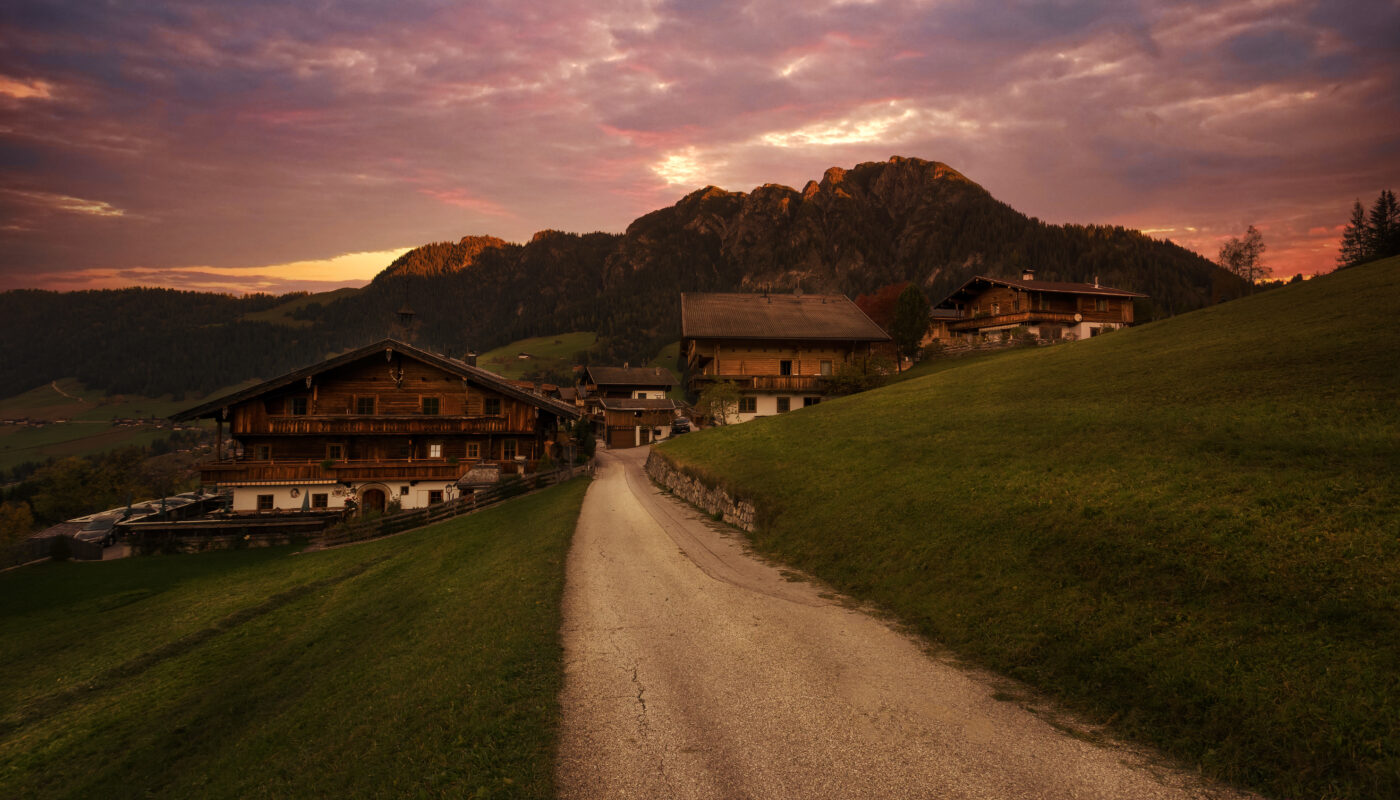
by When travelers first arrive in Alpbach, it often feels like stepping into a perfectly composed painting. Wooden chalets line gently sloping streets, balconies overflow with flowers, and the surrounding Alpine landscape frames the village with almost theatrical precision. It’s no surprise that Alpbach is frequently referred to as “Austria’s Most Beautiful Village.”
But that title did not emerge purely from scenic charm. It carries a deeper story—one shaped by geography, collective decision-making, cultural discipline, and a long-standing commitment to preserving identity. Beneath the surface of postcard beauty lies a deliberate effort spanning decades, even centuries.
This is the lesser-known story of how Alpbach came to embody its celebrated reputation—and why its beauty is as much a human achievement as a natural one.
Isolation: The Unexpected Architect
Before Alpbach became known beyond its valley, it existed in relative seclusion. Surrounded by mountainous terrain, the village remained physically disconnected from larger towns for much of its history.
This isolation had a surprising effect. While other regions experienced waves of modernization, Alpbach changed slowly. Its buildings were not replaced en masse, and its layout evolved gradually rather than through large-scale development.
In many ways, the village’s most defining feature—its architectural consistency—was preserved simply because it was left undisturbed for so long.
When access improved in the 20th century, Alpbach already possessed something rare: a cohesive visual identity that had developed organically over generations.
A Farming Community at Its Core
Long before recognition and tourism, Alpbach was a working village. Its economy revolved around agriculture, with families relying on livestock, hay production, and forestry.
The houses that now attract admiration were originally built for practicality:
- Wood was the primary material, readily available from surrounding forests
- Roofs were angled steeply to handle heavy snowfall
- Interiors were designed to maximize warmth and efficiency
Over time, these functional choices created a distinctive aesthetic. The uniform use of timber, combined with traditional craftsmanship, gave the village a recognizable character.
Importantly, many properties remained within the same families for generations. This continuity helped maintain both the physical and cultural fabric of the village.
A Defining Decision in the 20th Century
Alpbach’s transformation into a symbol of beauty was not accidental—it was intentional.
In the mid-20th century, as tourism began to grow across the Alps, the village faced a critical choice: embrace modern development or preserve its traditional appearance.
Local authorities chose preservation.
Strict building regulations were introduced, requiring all new constructions and renovations to follow the traditional style. This included:
- Wooden façades
- Consistent roof shapes
- Harmonized proportions and materials
This decision was unusual at the time. Many Alpine communities were experimenting with modern architecture, often resulting in a mix of styles.
Alpbach, however, committed to a unified vision.
Beauty as a Collective Responsibility
What makes Alpbach unique is that its appearance is not maintained by regulation alone—it is supported by community effort.
Residents take pride in:
- Maintaining their homes to a high standard
- Decorating balconies with seasonal flowers
- Preserving traditional details in both old and new buildings
This shared responsibility creates a sense of ownership over the village’s image. Beauty is not imposed from above; it is cultivated from within.
The result is an environment that feels authentic rather than staged.
National Recognition and a Turning Point
Alpbach’s reputation reached a wider audience in the early 1980s, when it was awarded the title of Austria’s most beautiful village in a national competition.
This recognition marked a turning point.
Suddenly, the village was no longer a hidden gem—it became a destination. Visitors arrived not only to see the landscape, but to experience the atmosphere that had earned such distinction.
The title brought:
- Increased tourism
- Economic opportunities
- Greater responsibility to maintain its image
Rather than altering its character to accommodate growth, Alpbach reinforced its existing principles.
The Influence of Leadership
Behind the scenes, leadership played a crucial role in preserving the village’s identity.
Local decision-makers ensured that building regulations were not only established but consistently enforced. This required balancing competing interests—economic development, individual preferences, and cultural preservation.
The success of this approach highlights an important aspect of Alpbach’s story: its beauty is the result of long-term planning and disciplined governance.
Without these elements, the village might have evolved in a very different direction.
Tourism and Its Challenges
Recognition brought attention, and attention brought visitors. Tourism became an important part of Alpbach’s economy, but it also introduced challenges.
The village had to navigate questions such as:
- How to accommodate more visitors without overcrowding
- How to modernize infrastructure without disrupting aesthetics
- How to balance local life with tourist expectations
Alpbach’s approach has been measured. Instead of rapid expansion, it has focused on controlled growth and sustainable practices.
This strategy has helped preserve its character, though it is not without trade-offs. Strict regulations can limit architectural innovation and increase construction costs.
A Village of Tradition and Ideas
While Alpbach is often celebrated for its appearance, it is also known for its intellectual and cultural significance.
The European Forum Alpbach, held annually in the village, brings together thinkers, leaders, and scholars from around the world.
This event adds a modern dimension to Alpbach’s identity. It is not only a place of tradition, but also a center for dialogue and innovation.
The coexistence of historic architecture and contemporary ideas creates a unique balance—one that distinguishes Alpbach from purely tourist-oriented destinations.
The Role of Flowers and Visual Harmony
One of the most recognizable features of Alpbach is its floral displays. During warmer months, balconies and windows are adorned with vibrant flowers, creating a sense of warmth and vitality.
This tradition is not incidental. It reflects a cultural emphasis on care, attention to detail, and pride in one’s surroundings.
The consistent use of natural materials, combined with seasonal decoration, contributes to the village’s harmonious appearance.
It is this harmony—more than any single element—that defines Alpbach’s beauty.
The Cost of Preservation
Maintaining such a high level of visual consistency comes with challenges.
Strict guidelines can:
- Limit creative freedom in design
- Increase the cost of building and renovation
- Require ongoing maintenance and investment
For residents, these constraints are part of a broader commitment to preserving the village’s identity. For visitors, they contribute to the experience of stepping into a place that feels cohesive and timeless.
Why the Title Still Resonates
Decades after receiving national recognition, Alpbach continues to be associated with beauty.
But what makes the title enduring is not just the visual appeal—it is the story behind it.
The village represents:
- A deliberate choice to preserve tradition
- A community effort sustained over generations
- A balance between change and continuity
This combination gives the title depth and meaning.
A Different Perspective on Beauty
In many destinations, beauty is defined by natural scenery alone. In Alpbach, it is shaped by human decisions as well.
The village’s appeal lies in:
- Its consistency rather than variety
- Its authenticity rather than spectacle
- Its sense of place rather than trend
This makes its beauty feel intentional—something that has been carefully nurtured rather than accidentally discovered.
Final Thoughts
The story behind Alpbach’s “Most Beautiful Village” title is not one of chance or coincidence. It is a story of preservation, discipline, and collective vision.
From its early isolation to its modern recognition, the village has remained committed to a set of principles that prioritize harmony and identity. Its beauty is not just a reflection of its surroundings, but of the choices made by those who live there.
In a world where rapid development often reshapes landscapes, Alpbach offers a different model—one where change is guided, tradition is respected, and beauty is sustained over time.
And perhaps that is what makes its title truly meaningful: it is not just about how the village looks, but about how it has chosen to remain itself.