 by
by Nestled in a quiet valley of western Austria, Alpbach is often admired for its postcard-perfect scenery—wooden chalets, flower-filled balconies, and sweeping alpine views. Yet its true character runs far deeper than appearances. The village’s identity has been shaped over centuries by the powerful presence of the Alps, which have influenced everything from architecture and economy to traditions and daily life.
In Alpbach, the mountains are not simply a backdrop—they are the central force that has guided how people live, adapt, and connect with their surroundings. To understand the village today, it is essential to look at how its alpine environment has shaped its development over time.
Geography as a Defining Force
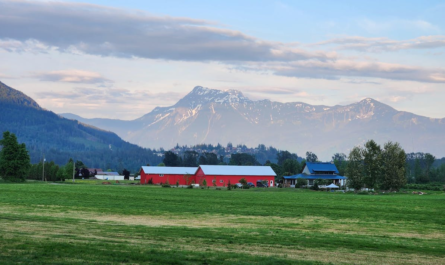
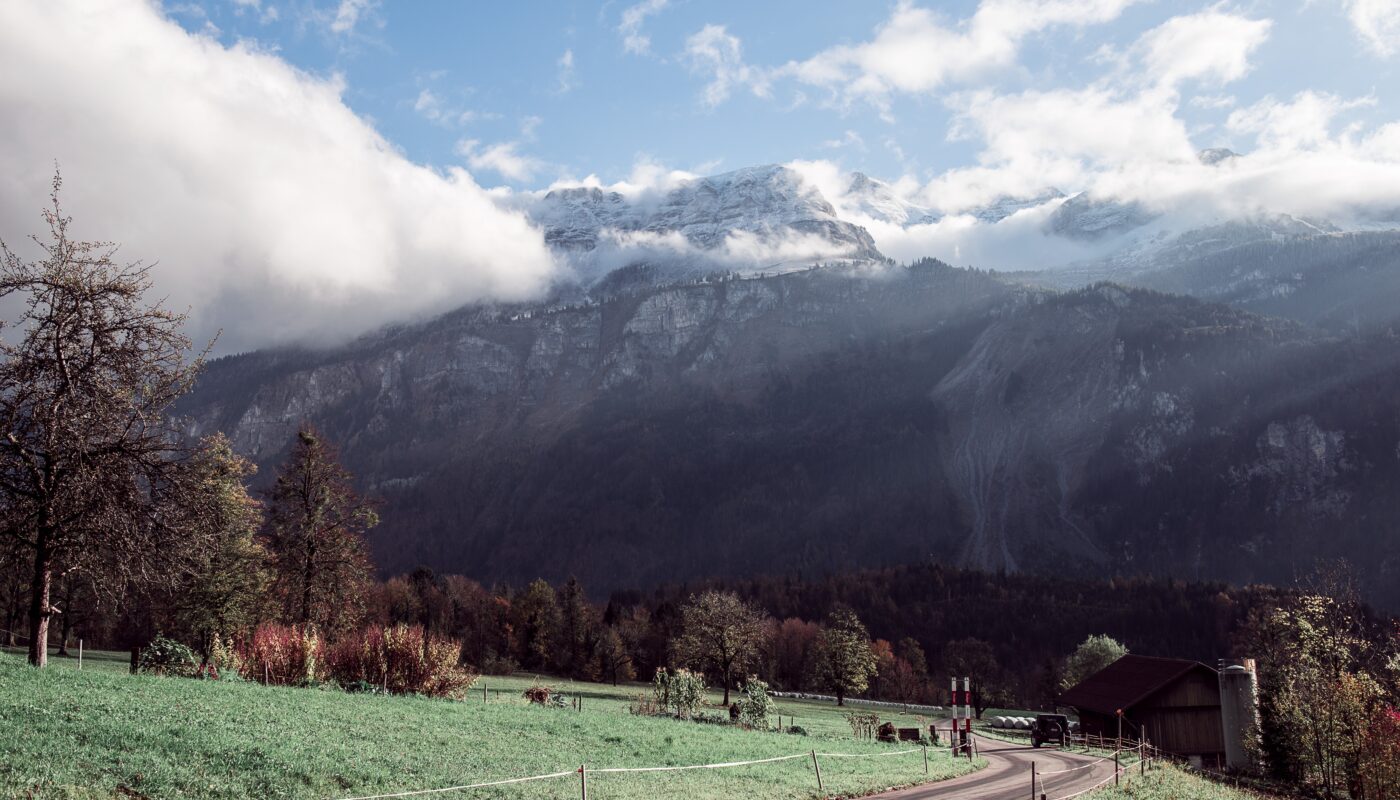
Alpbach lies at an altitude of nearly 1,000 meters, surrounded by steep slopes, dense forests, and open meadows. This setting is both breathtaking and challenging. The terrain limits large-scale development while encouraging a lifestyle closely tied to nature.
For much of its history, Alpbach remained relatively isolated. Mountain ridges acted as natural barriers, making travel difficult and limiting contact with neighboring regions. This isolation slowed modernization but also preserved traditions that might have disappeared in more accessible areas.
Geography, in this sense, acted as both a constraint and a protector—shaping the pace and direction of the village’s evolution.
Early Life in a Mountain Environment
The earliest inhabitants of the Alpbach valley had to adapt quickly to the realities of alpine living. Harsh winters, short growing seasons, and uneven terrain required ingenuity and resilience.
Agriculture was possible, but only on a modest scale. Farmers cultivated crops suited to cooler climates while relying heavily on livestock, particularly cattle. Alpine pastures provided grazing land during warmer months, and seasonal migration of livestock became an integral part of life.
This early dependence on the land established a strong connection between the community and its environment—one that continues to define Alpbach today.
Architecture Shaped by Climate and Terrain
One of the most distinctive features of Alpbach is its architectural consistency. Nearly every building reflects traditional alpine design, a style that evolved directly from environmental necessity.
Practical Design Elements
- Sloping roofs prevent heavy snow buildup during winter
- Wooden construction provides insulation against cold temperatures
- Balconies allow for drying crops and storage
- Elevated structures protect against moisture from the ground
These features are not merely decorative; they are functional responses to the demands of mountain life.
Preserving a Unified Aesthetic
In the 20th century, local regulations were introduced to ensure that new buildings followed traditional design principles. This decision preserved the village’s visual harmony and reinforced its cultural identity.
Today, Alpbach is often recognized as one of the most uniformly styled villages in Austria—a direct result of respecting architectural traditions shaped by the Alps.
Isolation and Cultural Preservation
The same mountains that made travel difficult also helped protect Alpbach’s cultural heritage. With limited outside influence, local customs, dialects, and traditions remained intact over generations.
Language and Community
The regional dialect spoken in Alpbach has been preserved with remarkable consistency. Language became a marker of identity, reflecting both geographic isolation and cultural continuity.
Traditions Rooted in Nature
Many local customs are tied to seasonal changes and agricultural cycles. Events such as cattle drives, harvest celebrations, and winter festivals reflect a deep connection to the rhythms of the alpine environment.
These traditions are not simply historical—they are actively practiced, linking past and present.
The Alpine Economy: Adapting to Limitations
The economy of Alpbach developed in response to the opportunities and constraints of mountain life.
Farming and Livestock
Due to the steep terrain, large-scale agriculture was impractical. Instead, residents focused on livestock farming, particularly dairy production. Alpine meadows provided rich grazing grounds, especially during summer months.
Seasonal Patterns
Life in Alpbach followed a predictable cycle:
- Summer: grazing livestock in higher elevations
- Autumn: returning animals to the village
- Winter: focusing on indoor tasks such as crafting and maintenance
These seasonal rhythms reinforced a close relationship between people and their environment.
Gradual Connection to the Outside World
While Alpbach remained isolated for centuries, it was not entirely cut off. Over time, improvements in transportation gradually connected the village to surrounding regions.
The construction of a proper road in the early 20th century marked a turning point. Increased accessibility allowed goods, ideas, and visitors to flow more freely into the valley.
This shift brought economic opportunities but also introduced the challenge of balancing tradition with modernization.
Tourism and Transformation
As interest in alpine destinations grew, Alpbach began to attract visitors seeking natural beauty and authentic cultural experiences.
A New Economic Path
Tourism provided a new source of income, reducing reliance on agriculture. Hotels, guesthouses, and local businesses developed to accommodate travelers.
Preserving Identity Amid Change
Unlike many tourist destinations, Alpbach chose to protect its character rather than transform it. Strict building codes and cultural preservation efforts ensured that growth did not erase tradition.
This careful balance allowed the village to evolve without losing its essence.
The Alps and Community Values
The influence of the Alps extends beyond physical and economic aspects—it also shapes the values of the community.
Cooperation and Resilience
Living in a challenging environment encourages cooperation. Neighbors rely on one another, fostering strong social bonds.
Respect for Nature
Daily life in the mountains requires an understanding of natural limits. This awareness has cultivated a culture of respect for the environment.
Simplicity and Balance
The slower pace of life in Alpbach reflects a broader philosophy—one that prioritizes balance, sustainability, and connection to place.
Modern Identity Rooted in Tradition
Today, Alpbach is known not only for its scenic beauty but also for its cultural significance. International events and gatherings bring global perspectives to the village, yet its alpine identity remains intact.
Modern infrastructure coexists with traditional design, and contemporary life blends seamlessly with long-standing customs.
This balance is what makes Alpbach unique—it is both timeless and evolving.
The Ongoing Influence of the Alps
The relationship between Alpbach and the Alps continues to develop. Environmental changes, shifting economies, and evolving lifestyles all play a role in shaping the future.
However, the mountains remain a constant presence, continuing to influence:
- Land use and development
- Cultural practices
- Economic strategies
- Community identity
The Alps are not just part of Alpbach’s history—they are central to its future.
Conclusion
The story of Alpbach is inseparable from the story of the Alps. Over centuries, the mountains have shaped every aspect of life in the village, from its architecture and economy to its traditions and values.
What makes Alpbach remarkable is not only its beauty but its authenticity. It stands as an example of how a community can adapt to its environment while preserving its identity.
In a rapidly changing world, Alpbach offers a powerful reminder: place matters. Geography is not just a setting—it is a force that shapes who we are, how we live, and how we connect with one another.