 by
by Tucked high in the Austrian Alps, surrounded by rolling meadows and dramatic mountain peaks, the village of Alpbach looks like something straight out of a storybook. Wooden chalets decorated with flowers, narrow walking paths, and panoramic views give it the reputation of being one of the prettiest villages in Europe. But beyond the postcard beauty, Alpbach holds a surprisingly rich and fascinating cultural identity shaped by tradition, innovation, and a deep respect for community life.
While many travelers know Alpbach for skiing, hiking, or alpine scenery, its cultural layers often go unnoticed. Here are some fun and intriguing cultural facts that reveal the soul of this mountain village.
1. Alpbach Has One of the Strictest Architectural Rules in Austria
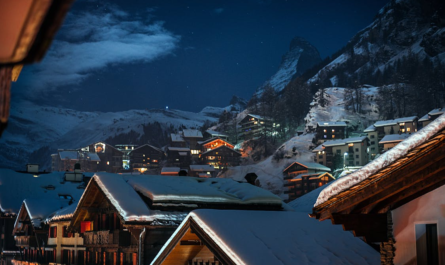
One of the first things visitors notice is how harmoniously everything fits together. That’s no accident. Alpbach enforces strict building regulations that require homes and public buildings to follow traditional wooden chalet styles. Modern concrete or glass structures are limited, and even renovations must preserve the classic alpine look.
This cultural commitment to architectural unity earned Alpbach the title of “Austria’s Most Beautiful Village” in the 20th century. It’s not just about aesthetics — locals see architecture as a cultural inheritance that links generations.
2. It Hosts One of Europe’s Most Influential Intellectual Gatherings
Every summer, Alpbach transforms from a quiet alpine village into a global hub of ideas during the European Forum Alpbach. Since 1945, this event has brought together scientists, politicians, students, artists, and thinkers from around the world.
What makes it culturally special is the contrast: deep philosophical discussions about global issues happening in a tiny village of wooden farmhouses. The forum represents a blend of rural tradition and international dialogue, proving that big ideas can grow in small places.
3. Flower Traditions Are Taken Seriously
Alpbach’s balconies overflow with colorful geraniums and alpine blooms, but this isn’t just decorative — it’s cultural pride. Flower displays are a long-standing tradition connected to alpine farming heritage. Villagers maintain window boxes as a sign of hospitality and care for the land.
Some households even participate in informal competitions for the most beautiful displays. Flowers here symbolize harmony with nature, a value deeply rooted in alpine life.
4. Traditional Clothing Is Still Worn for Real Occasions
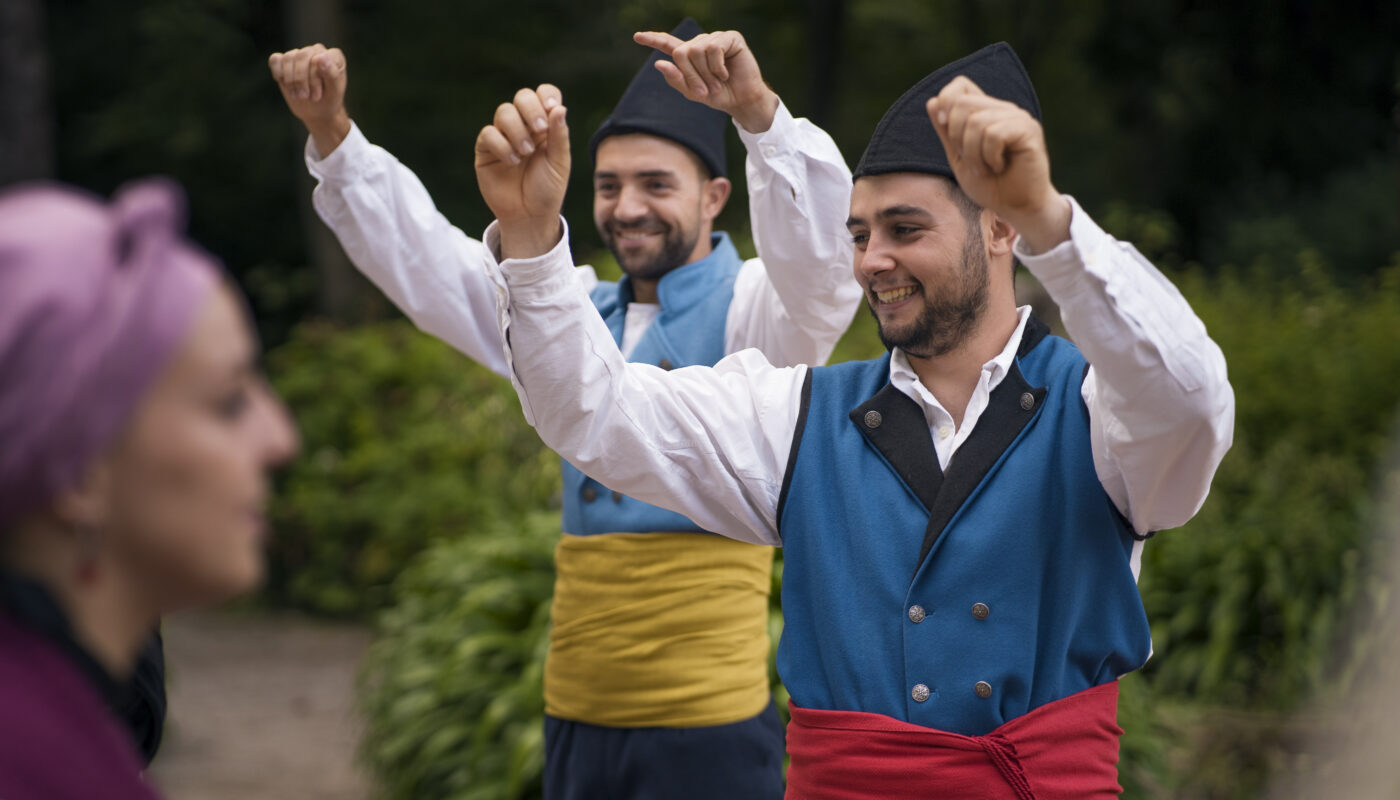
In many tourist destinations, traditional clothing is mainly for shows. In Alpbach, locals genuinely wear dirndls (for women) and lederhosen (for men) during church festivals, weddings, harvest celebrations, and music events.
These garments aren’t costumes; they represent identity, craftsmanship, and continuity. Families often pass traditional outfits down through generations, making them both cultural symbols and heirlooms.
5. Music Is a Village-Wide Language
Brass bands, folk singing, and accordion music are central to community life. The local brass band plays at festivals, parades, and church holidays, while traditional alpine songs echo in gatherings.
Music here isn’t just performance — it’s participation. Many children learn instruments from a young age, ensuring that the sound of alpine folk culture continues into the future.
6. The Village Once Relied Heavily on Farming and Cows
Before tourism, Alpbach’s economy revolved around alpine farming. Cows grazing in mountain pastures shaped both the landscape and the culture. Even today, seasonal cattle drives — when cows return from high alpine meadows — are celebrated with decorated animals and festive processions.
These traditions connect modern life to centuries-old agricultural rhythms.
7. Community Life Matters More Than Urban Convenience
Unlike cities built around speed and efficiency, Alpbach’s culture prioritizes community interaction. Social anchors include festivals, church gatherings, and seasonal marketplaces. People greet each other on walking paths, and shared traditions keep the village socially close-knit.
This slower, relationship-focused lifestyle is a cultural hallmark of alpine villages.
8. Woodcarving and Handcrafts Are Part of Heritage
Alpbach and surrounding regions have a long tradition of wood craftsmanship. From carved balconies to handmade furniture and religious sculptures, woodwork represents both artistry and practicality.
Local artisans often use techniques passed down for generations, blending function with decorative detail.
9. Seasonal Culture Shapes the Calendar
Life in Alpbach still follows seasonal rhythms:
- Winter: Skiing traditions and Christmas markets
- Spring: Alpine pasture preparation
- Summer: Hiking festivals and the European Forum
- Autumn: Harvest celebrations and cattle festivals
Each season brings its own customs, foods, and social events.
10. Alpine Cuisine Reflects Cultural Survival
Traditional dishes come from a history of mountain survival. Meals are hearty and simple, often using local dairy, bread, and meat. Dishes like dumplings, alpine cheese specialties, and rustic soups tell the story of self-sufficient mountain living.
Food here isn’t just nourishment — it’s heritage on a plate.
11. Respect for Nature Is Cultural, Not Just Environmental
Environmental awareness in Alpbach isn’t a modern trend; it’s a way of life rooted in farming history. Preserving meadows, forests, and clean water sources is seen as a responsibility toward future generations.
Sustainable practices — from careful land use to low-impact tourism — are deeply embedded in village culture.
12. Church Traditions Still Shape Community Identity
The village church plays a cultural role beyond religion. Church bells mark time, religious festivals bring people together, and architecture reflects centuries of history. Even those who aren’t deeply religious often participate in church-related events as cultural traditions.
13. It’s a Place Where Modern Ideas Meet Old Traditions
What makes Alpbach culturally fascinating is its balance. You might see a farmer leading cows down a mountain path in the morning, then attend a global political discussion in the afternoon.
Few places blend ancient alpine customs with modern intellectual exchange so seamlessly.
14. Storytelling Is Part of Alpine Culture
Legends about mountains, weather spirits, and historical events are passed through generations. Storytelling keeps local history alive and connects people to the land.
15. Even Silence Is Cultural
Alpbach values quietness — not as emptiness, but as presence. The absence of traffic noise, the sound of cowbells, and wind in the trees create a sensory experience tied to alpine identity.
Final Thoughts
Alpbach may appear to be just a scenic mountain village, but its culture runs deep. From strict architecture and traditional dress to global intellectual forums and seasonal farming rituals, this small Austrian village preserves its past while welcoming the future.
The charm of Alpbach isn’t only in its views — it’s in its living traditions, where community, nature, music, and ideas come together in a way that feels both timeless and refreshingly authentic.