 by
by Nestled deep within the Tyrolean Alps of Austria lies the charming mountain village of Alpbach. With its wooden chalets, flower-covered balconies, and dramatic alpine scenery, Alpbach is often described as one of the most beautiful villages in Europe. Tourists arrive year-round to enjoy skiing, hiking, and cultural events, particularly during the well-known European Forum Alpbach.
Yet if you ask someone who actually lives there—or someone who has spent years returning season after season—you may hear a very different answer to the question: When is Alpbach at its best?
Contrary to popular travel guides, the most enjoyable time to experience Alpbach often isn’t during peak ski season or the height of summer tourism. Instead, locals tend to favor the quieter, transitional months when the village breathes differently. These are the moments when the rhythm of daily life becomes visible, when nature shifts between seasons, and when the mountains feel more personal.
Let’s explore Alpbach through a local lens and discover when the village is truly at its most magical.
The Myth of the “Perfect Season”
Travel brochures often promote specific times of year for visiting the Alps. Winter is marketed for skiing and festive markets, while summer is associated with hiking trails and green pastures.
Both seasons certainly have their appeal. Snow blankets the village in winter, transforming rooftops and forests into postcard-perfect scenes. In summer, fields explode with wildflowers and the hiking paths are alive with activity.
However, locals know that these popular seasons also bring crowds, busy hotels, and packed restaurants. During peak months, the peaceful character that defines Alpbach can feel slightly diluted.
For residents, the most enjoyable periods are often those that travelers overlook: early autumn and late spring.
Autumn: The Secret Favorite
If you ask longtime residents when they most enjoy their village, many will point to September and early October.
By this time, the summer crowds have thinned and the village returns to a calmer pace. The air becomes crisp and the forests surrounding Alpbach transform into a spectacular palette of gold, copper, and amber.
The Landscape Changes
The surrounding mountain ranges—including parts of the Kitzbühel Alps—become particularly stunning during autumn. Larch trees begin turning yellow, creating bright contrasts against dark evergreen forests and distant rocky peaks.
Hiking during this period feels completely different from summer. Trails are quieter, wildlife is easier to spot, and the light becomes softer and more dramatic. Photographers especially love the long golden afternoons.
Harvest Traditions
Autumn also brings traditional agricultural activities. Farmers guide cattle down from alpine pastures in festive processions known as Almabtrieb, where animals are decorated with flowers and bells to celebrate their safe return from the mountains.
These events offer visitors an authentic glimpse into rural life in Tyrol—something that feels far more genuine than staged tourist attractions.
Calm Evenings in the Village
Evenings in autumn are particularly special. Restaurants and hotels feel more laid back and friendly when there are fewer guests. Locals gather for hearty meals, seasonal dishes, and conversations that stretch late into the night.
For travelers who want to feel part of the village rather than simply passing through it, autumn can be the perfect time to visit.
Late Spring: A Season of Renewal
Another underrated time to experience Alpbach is late spring, usually between May and early June.
After a long alpine winter, the mountains begin waking up. Snow gradually retreats to higher elevations, streams run stronger with meltwater, and the valley floor bursts into fresh greenery.
Wildflowers and Alpine Meadows
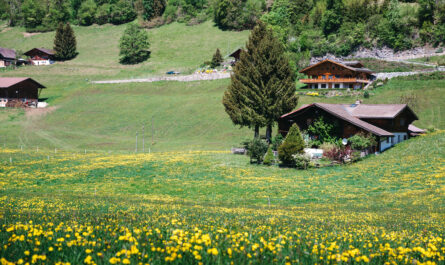
Fields around the village become filled with wildflowers, creating vibrant carpets of color. Dandelions, alpine roses, and meadow blossoms appear almost overnight.
The hillsides surrounding Alpbach are especially beautiful during this time, offering scenery that rivals the peak summer months but without the heavy tourist presence.
Hiking Without the Crowds
Spring is also ideal for hiking. Trails begin reopening, and temperatures are comfortable for long walks through the countryside.
While higher alpine routes may still have snow, many valley and mid-altitude paths are accessible. This creates excellent opportunities for exploring forests, farms, and quiet viewpoints.
For locals, these early-season hikes are among the most enjoyable moments of the year.
Winter’s Quiet Weeks
While winter is undeniably popular in the Alps, locals often prefer the quieter periods that fall just before or after the holiday rush.
Alpbach is part of the well-known Ski Juwel Alpbachtal Wildschönau ski region, which attracts many visitors during Christmas, New Year’s, and school holidays.
During those weeks, slopes and accommodations can become crowded.
But once January settles in—after the festive rush—the atmosphere changes dramatically. The mountains remain snowy and beautiful, yet the village regains its peaceful charm.
Winter for the Experience, Not Just Skiing
Locals often enjoy winter activities beyond skiing. Snowshoeing through silent forests, walking along frozen streams, or simply enjoying the view of snow-covered peaks can be just as rewarding.
The stillness of a winter morning in Alpbach, when fresh snow blankets rooftops and smoke rises from chimneys, creates a sense of calm that many residents cherish deeply.
Summer: Beautiful but Busy
Summer is undeniably stunning in Alpbach. Warm sunshine, lush pastures, and alpine trails attract hikers, cyclists, and nature lovers from across Europe.
Events like the European Forum Alpbach also bring academics, thinkers, and global leaders to the village, creating a vibrant intellectual atmosphere.
However, from a local perspective, summer can feel somewhat hectic. Hotels are often fully booked, trails are crowded, and restaurants operate at maximum capacity.
While the season offers excellent outdoor opportunities, it may not provide the peaceful alpine experience many travelers expect.
The Rhythm of Daily Village Life
One of the reasons locals prefer quieter seasons is that daily life becomes more visible.
During off-peak periods, you’re more likely to see farmers tending fields, residents chatting in village squares, and children walking home from school. Shops operate at a slower pace, and conversations feel more personal.
Visitors who arrive during these quieter months often discover a deeper connection to the place.
Instead of simply photographing alpine views, they experience the rhythms that make mountain villages unique.
Weather Surprises in the Alps
Another reason locals enjoy shoulder seasons is the unpredictable nature of alpine weather.
In autumn, warm sunny days can suddenly turn crisp and misty, creating dramatic mountain scenery. Spring might deliver bright blue skies followed by brief mountain showers.
These changing conditions create ever-shifting landscapes that keep the mountains visually exciting.
For photographers and nature lovers, such variability adds an element of discovery to every walk.
A Different Kind of Luxury
Many travelers associate Alpine luxury with upscale resorts, spas, and ski chalets. While Alpbach certainly offers high-quality accommodations, locals often define luxury differently.
For them, the true luxury of the village lies in simple experiences:
- Walking through quiet forests at sunrise
- Hearing cowbells echo across alpine meadows
- Watching clouds roll across distant peaks
- Sharing a slow meal in a traditional mountain inn
These moments are easiest to find when tourism slows down and the village returns to its natural rhythm.
Finding Your Own Perfect Moment
Ultimately, the best time to visit Alpbach depends on what kind of experience you’re looking for.
Travelers seeking lively festivals, full ski slopes, and social energy may prefer peak seasons. But those hoping for tranquility, authentic village life, and deeper connections with the landscape might find that the most rewarding visits occur outside the busiest months.
Late spring and early autumn often reveal a version of Alpbach that guidebooks rarely highlight.
The Beauty of the Unexpected
The magic of Alpbach doesn’t disappear during popular travel seasons—but it changes character.
When crowds fade and the mountains settle into quieter rhythms, the village reveals another side of itself. The scenery becomes more intimate, conversations more relaxed, and everyday life more visible.
From a local perspective, these quieter moments capture the true spirit of the place.
So if you’re planning a trip to the Tyrolean Alps, consider stepping slightly outside the traditional travel calendar. You might discover that the most memorable time to experience Alpbach is precisely when you least expect it.