 by
by Alpbach, one of Austria’s most admired alpine villages, is famous not only for its wooden chalets and floral balconies but also for its smart, visitor-friendly layout. Unlike large, sprawling ski resorts, Alpbach is intentionally compact, quietly sophisticated, and designed so that travelers can move easily between scenic viewpoints, accommodations, attractions, event venues, and transport hubs. Understanding how the village is structured makes a world of difference—helping you plan stays, find your bearings quickly, and discover the best experiences without confusion.
This extensive guide breaks down the organization of Alpbach in a clear, practical way so that whether you’re visiting in summer for hiking or in winter for skiing, you’ll know exactly how the village “works.”
1. How Geography Shapes the Village Layout
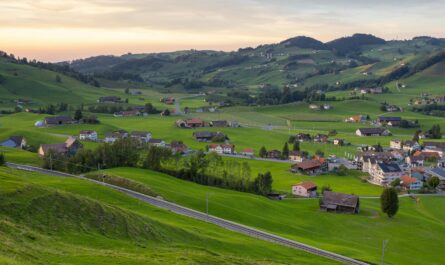
Alpbach lies on a sunny plateau in the Alpbachtal region of Tyrol. The terrain is gently sloped, spreading outward from the valley floor to forested ridges and meadows. Because of this natural contour, the village grew linearly, not in a wide grid. Most buildings follow the curve of the hillside, rather than occupying flat squares or blocks.
This natural layout gives Alpbach its signature look:
- Chalets and guesthouses sit terraced on the slope.
- Lanes and pedestrian paths wind around the hill rather than running in straight lines.
- Scenic viewpoints appear naturally within a few minutes of walking in any direction.
The mountain geography also means that Alpbach remains tightly knit. You can get from the village center to the nearest lift station, trailhead, café, or event venue comfortably on foot.
2. The Three Main Zones of Alpbach
Even though the village feels small, it is thoughtfully divided into three functional zones. Every zone has a distinct function, and when combined, they produce a smooth visitor experience.
A. The Historic Village Core (The Heart of Alpbach)
This is what most people imagine when they think of Alpbach: traditional wooden houses, steep shingled roofs, and brilliantly decorated balconies.
What You’ll Find in the Historic Core:
- The parish church with its stone terrace overlooking the valley
- Charming cafés, bakeries, and family-run restaurants
- Tourist information office and small convenience shops
- Several well-preserved chalets that reflect Tyrolean building traditions
- Pedestrian street loops ideal for slow, scenic walking
This part of Alpbach is intentionally preserved. Strict building regulations require wood-clad façades and consistent architectural style, giving the village its elegant and harmonious look. Almost everything in this center is designed for walkers—cars are allowed but space is limited, and foot traffic dominates.
B. Transport and Lift Zone (Movement Hub of Alpbach)
A short distance downhill or along the village’s edges, you’ll find the most important practical facilities:
Key Features of This Zone:
- Valley stations connecting directly to the Ski Juwel ski area
- Cable cars and gondolas used for both winter sports and summer hiking access
- Major bus stops with connectivity to neighboring towns and railroads
- Car parks, taxi stands, and transfer pick-up points
- Ski rental shops and equipment storage depending on the season
Almost all public movement—buses, shuttles, equipment drop-off, and ski arrivals—flows through these edges of the village. Because Alpbach prioritizes its quiet, traditional center, these high-traffic services are intentionally kept at the periphery.
If you are staying at a hotel up the hill or nearer the center, walking to the lift stations usually takes between 5 to 15 minutes, depending on location. During winter, many accommodations also offer shuttle services to the lifts.
C. Congress Centre Zone (Modern Alpbach’s Event Hub)
A surprising highlight of Alpbach is its sleek, modern Congress Centre, famous for hosting the annual European Forum Alpbach—an international gathering of scholars, researchers, and leaders.
Why This Zone Matters:
- It is set slightly away from the historic core to preserve visual harmony.
- There are event halls, contemporary buildings, and beautifully planted open areas in the region.
- Hotels and inns nearby are often geared towards conference guests.
- Walking paths connect this zone directly to the village core.
This zone blends contemporary design with the surrounding alpine scenery. For visitors who aren’t attending events, the area remains quiet, yet it serves as a helpful orientation point and is often used as the start of scenic walking loops around the village.
3. How Visitors Naturally Navigate the Village
Because Alpbach is human-scaled and hillside-oriented, it’s exceptionally easy to navigate—even without a map. Most travelers follow a natural pattern:
Step-by-Step Flow of Visitor Movement
- Arrival & Check-In
You enter through the lower part of the village or by bus from a nearby transportation hub. Parking lots are placed conveniently at the outskirts. - Exploring the Historic Center
Most visitors head uphill to the church square first. This becomes your orientation base. - Moving Toward the Lifts
Whether skiing or hiking, you walk or take a shuttle downhill toward one of the valley stations. - Returning to Restaurants and Accommodations
After outdoor activities, you naturally return upward toward the dining and lodging area.
This gentle up-and-down flow is part of Alpbach’s charm. You constantly see panoramic valley views while walking between the zones.
4. A Walking-Friendly Village: Why You Rarely Need a Car
Alpbach is one of Austria’s most walkable alpine villages. Because distances are short and pathways are clearly marked, drivers often park their vehicles for days at a time.
Key Walking Advantages:
- Central streets are compact and low-traffic.
- Lanes and steps connect majority of hotels to cafés and shops.
- Hiking trails and meadows can be reached directly from the village via picturesque walking pathways.
- Signboards clearly show directions to lifts, restaurants, and viewpoints.
Even the slightly steeper roads are well-maintained and manageable. During winter, snow removal crews keep walkways clear.
5. Seasonal Variations in Village Organization
While the physical layout remains the same year-round, how visitors use it changes with the seasons.
Winter Layout Experience
Winter turns Alpbach into a gateway to the Ski Juwel region. Lift stations and ski buses become the busiest points in town.
Winter Highlights:
- Ski rental shops and equipment stands appear closer to the edges.
- Hotels offer shuttles to the gondola stations.
- Après-ski activity clusters near the lower village entrances.
- Snow paths and heated walkways maintain pedestrian accessibility.
Despite the increased activity, the center remains mostly peaceful and traditional.
Summer Layout Experience
In summer, the village transforms into a hub for hikers, cyclists, and nature explorers.
Summer Highlights:
- Walking routes start directly from the historic core.
- Cable cars bring visitors to alpine pastures for panoramic hikes.
- Outdoor dining terraces expand into the streets.
- Meadow loops and nature trails connect the edges of the village.
The layout becomes more relaxed, with visitors moving slowly between viewpoints, cafés, and trailheads.
6. Accommodation Placement and What It Means for Visitors
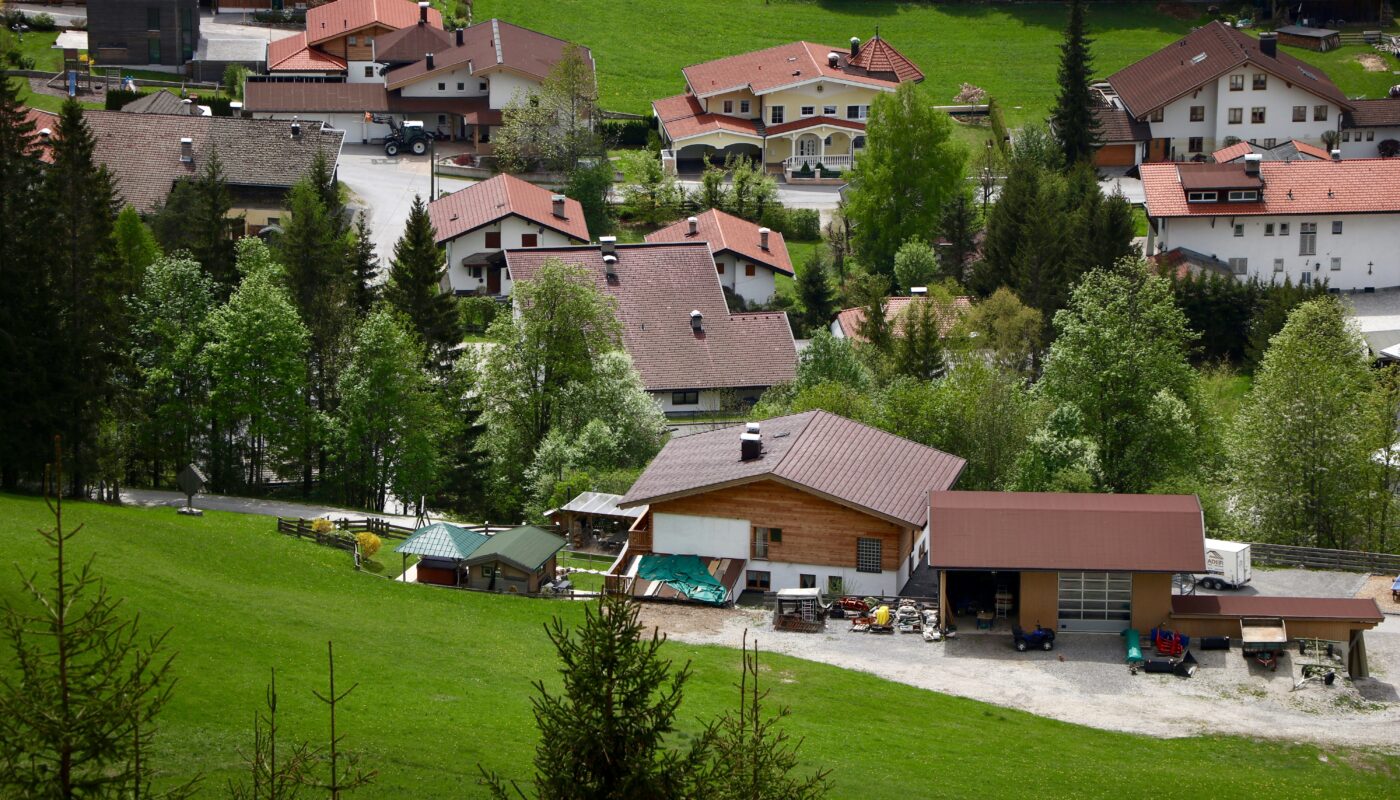
Alpbach has a unique approach to accommodations. Rather than grouping all hotels in one area, chalets, inns, and guesthouses are scattered along the slope around the center.
Benefits of This Approach:
- Many rooms have sweeping valley or mountain views.
- Visitors enjoy peace and privacy without being far from amenities.
- Almost all lodgings are within walking distance of restaurants.
- Footpaths connect accommodations directly to village lanes.
Even accommodations located higher up offer scenic shortcuts to the center.
7. Practical Tips to Navigate Alpbach Easily
Whether you’re staying for a day or a week, these tips will help you get around smoothly:
- Use the church as your main landmark — nearly all roads loop back toward it.
- Pick up a village map at the tourist office, even if you prefer to wander.
- If skiing, ask your hotel which valley station is closest — this varies by area.
- Wear good walking shoes, as slopes can be gentle but persistent.
- Take advantage of the bus system if your accommodation is farther down the hill.
- Look for the brown wooden signboards — they mark scenic paths and historic routes.
8. Final Takeaway: Understanding Alpbach Makes Your Visit Smoother
Alpbach’s layout is intentionally designed to balance tradition, convenience, and nature. The historic core offers charm and essential services, the transport & lift zones provide easy mountain access, and the Congress Centre zone supports cultural and academic events without disturbing the village’s tranquility.
Once you understand these three zones and how they flow together, you’ll find Alpbach incredibly easy to navigate—and even more enjoyable to explore.