 by
by Tucked into the mountains of the Austrian Tyrol, the village of Alpbach is often praised for its flower-filled balconies, traditional timber houses, and breathtaking alpine scenery. Yet beyond its postcard beauty lies another layer of cultural richness that many visitors overlook: a remarkable religious heritage expressed through sacred architecture, devotional art, craftsmanship, and centuries-old Catholic traditions.
Religion has shaped the identity of Alpbach for generations. Churches, roadside shrines, chapels, painted saints, and cemetery crosses are not merely decorative features in the village; they are symbols of history, faith, survival, and community life. In Alpbach, sacred spaces blend naturally with everyday alpine living. Wooden farmhouses stand beside church towers, mountain paths lead to chapels, and religious festivals continue to unite residents through music, ritual, and shared tradition.
The village’s religious art and architecture tell the story of a mountain community deeply connected to both spirituality and nature. Every carved altar, painted ceiling, and wrought-iron cross reflects the artistic spirit of Tyrol and the values that shaped alpine society for centuries.
This article explores the religious architecture, sacred symbolism, artistic traditions, and cultural meaning behind Alpbach’s spiritual heritage while examining why these spaces remain important in the modern world.
The Historical Role of Religion in Alpine Villages
To understand Alpbach’s religious art and architecture, it is important to understand the role religion historically played in alpine communities.
For centuries, mountain villages in Austria were relatively isolated due to difficult terrain and long winters. In these remote environments, the local church became far more than a place for worship. It functioned as:
- A community center
- A place for education
- A gathering point during celebrations
- A source of social support
- A symbol of continuity and stability
Religious traditions shaped the rhythm of daily life. Church bells marked the hours of the day, feast days structured the calendar, and seasonal blessings were connected to farming cycles and mountain life.
Because communities depended heavily on nature, faith also became closely tied to protection from storms, avalanches, disease, and poor harvests. Religious symbols offered both spiritual comfort and cultural identity.
Over time, this strong spiritual tradition became visible in architecture, decorative arts, and the visual appearance of the village itself.
St. Oswald Church: The Spiritual Heart of Alpbach
The most important religious building in Alpbach is St. Oswald Parish Church, which stands prominently above the village and remains its most recognizable landmark.
The church has medieval origins, although its current appearance reflects later architectural transformations. Positioned on elevated ground overlooking the village, the church immediately draws attention with its elegant tower and harmonious proportions.
A Symbol of Stability
Like many churches in mountain communities, St. Oswald Church was built not only as a place of worship but also as a visible symbol of protection and permanence.
For generations, villagers gathered here for:
- Weddings
- Baptisms
- Funerals
- Religious festivals
- Community announcements
- Seasonal ceremonies
The church therefore became deeply connected to personal and collective memory.
Even today, the building remains central to Alpbach’s cultural identity.
The Influence of Baroque Architecture
One of the defining artistic influences inside St. Oswald Church is the Baroque style, which became dominant across Catholic Europe during the seventeenth and eighteenth centuries.
What Is Baroque Architecture?
Baroque religious architecture was designed to inspire emotional and spiritual responses. Instead of simple or restrained interiors, Baroque churches emphasized drama, beauty, movement, and light.
Key features of Baroque religious design include:
- Ornate altars
- Decorative ceilings
- Curved architectural forms
- Rich gold accents
- Sculptural detail
- Frescoes and painted imagery
- Strong contrasts between light and shadow
In large European cities, Baroque churches were often grand and monumental. In Alpbach, however, the style appears in a more intimate alpine form.
The church interior combines decorative richness with the warmth and simplicity typical of Tyrolean villages.
The Beauty of Sacred Woodcarving
One of the most remarkable aspects of Alpbach’s religious heritage is the tradition of alpine woodcarving.
Because forests surrounded mountain communities, wood became one of the most important artistic materials in Tyrol. Local craftsmen developed extraordinary skill in carving religious objects for churches and homes.
Religious Wooden Art
Traditional Tyrolean woodcarving included:
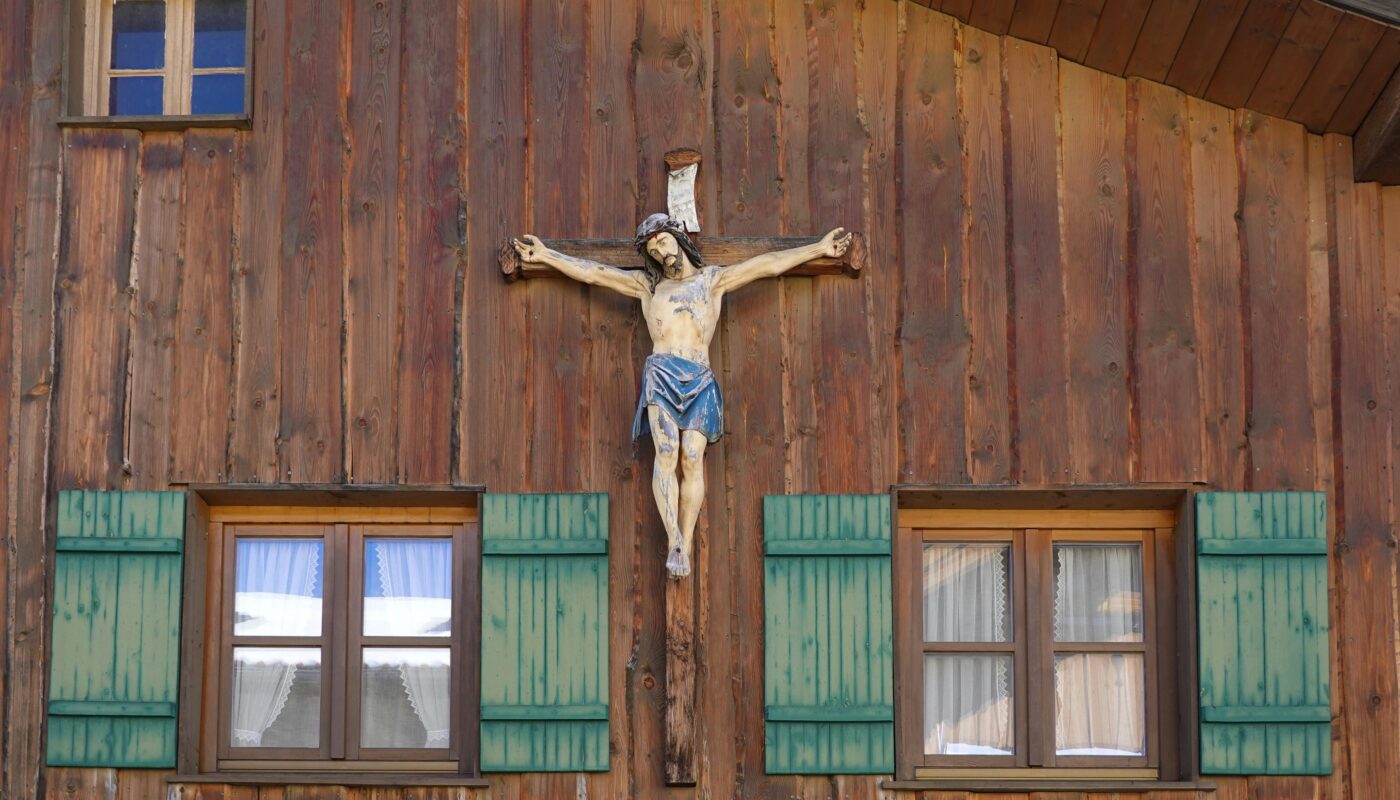
- Crucifixes
- Altars
- Statues of saints
- Decorative church panels
- Pulpits
- Frames for sacred paintings
The carvings often displayed remarkable detail despite being created in relatively small rural workshops.
Unlike factory-made religious objects, handcrafted alpine carvings possess a strong sense of individuality and regional character.
The warmth of natural wood also gives Tyrolean churches a welcoming atmosphere distinct from colder stone cathedrals found elsewhere in Europe.
Altars as Artistic Masterpieces
The altar traditionally served as the visual and spiritual center of Catholic churches, and Alpbach’s church interiors reflect this importance.
Symbolism of the High Altar
The high altar in a Baroque church was intended to draw the eye upward and create a sense of awe. Through decorative carvings, gilded surfaces, candles, and religious imagery, the altar symbolized the connection between earthly life and the divine.
In alpine churches, local artists often adapted grand European artistic styles to suit regional traditions and available materials.
The result was a unique fusion of:
- Catholic symbolism
- Alpine craftsmanship
- Folk art traditions
- Regional artistic identity
Many altars in Tyrol display saints connected to rural life, farming, or protection from natural dangers.
Ceiling Paintings and Religious Imagery
Religious paintings inside churches served important purposes before widespread literacy.
For centuries, sacred art helped communicate biblical stories and religious teachings to ordinary villagers.
Visual Storytelling Through Art
Church paintings often depicted:
- Scenes from the life of Christ
- The Virgin Mary
- Saints and martyrs
- Heaven and angels
- Moral lessons
- Symbolic representations of faith
In Baroque churches, ceiling paintings were especially important because they created the illusion of heavenly space opening above worshippers.
Light colors, clouds, and upward movement reinforced the spiritual atmosphere.
Even small alpine churches used artistic techniques designed to inspire wonder and contemplation.
The Church Tower and Alpine Landscape
One of the most striking visual aspects of Alpbach is the relationship between religious architecture and the surrounding natural environment.
The church tower rises above the village against a backdrop of forests, meadows, and mountains.
Spiritual Meaning of Height
Historically, church towers symbolized the connection between Earth and heaven. Their vertical form drew the eye upward and served as reminders of spiritual aspiration.
In alpine regions, towers also functioned practically as landmarks visible from distant farms and valleys.
The placement of churches within dramatic mountain landscapes created powerful visual symbolism:
- Mountains represented permanence and strength
- Open skies suggested spiritual transcendence
- Church bells connected isolated communities
In Alpbach, the harmony between sacred architecture and alpine scenery remains especially beautiful.
Small Chapels and Roadside Shrines
Beyond the main parish church, Alpbach contains smaller devotional spaces scattered throughout the valley.
These include:
- Small chapels
- Wayside crosses
- Roadside shrines
- Marian statues
- Memorial markers
Why Small Sacred Spaces Mattered
Historically, many villagers lived far from the central church, especially during winter months or farming seasons. Smaller chapels allowed people to pray closer to home and provided places for reflection during travel through mountain routes.
These sacred spaces also reflected gratitude, remembrance, or requests for divine protection.
In alpine culture, faith often became deeply intertwined with nature and everyday survival.
Religious Symbols in Traditional Homes
One fascinating feature of Tyrolean villages is how religious imagery appears not only in churches but also in private homes.
Throughout Alpbach, visitors may notice:
- Wooden crosses above doors
- Painted saints on exterior walls
- Religious inscriptions
- Sacred images inside windows
These decorations reflected the belief that faith should remain present in daily life rather than confined to formal worship spaces.
Religious art therefore became part of the village’s overall visual identity.
The Cemetery as a Place of Art and Memory
The cemetery surrounding St. Oswald Church is another important element of Alpbach’s religious environment.
Unlike large urban cemeteries that sometimes feel impersonal, alpine cemeteries often possess intimacy and artistic beauty.
Wrought-Iron Crosses
Tyrolean blacksmiths became highly skilled at creating decorative iron grave markers.
These crosses frequently include:
- Floral motifs
- Christian symbols
- Intricate metalwork
- Regional artistic patterns
Each cross reflects both craftsmanship and remembrance.
The cemetery also illustrates the close relationship between generations in mountain communities. Families often remained connected to the same land for centuries, making burial spaces deeply tied to local identity.
Religious Festivals and Living Traditions
Religious architecture in Alpbach is not simply preserved as historical decoration. Many traditions connected to these spaces remain active today.
Seasonal Celebrations
Catholic festivals continue to influence village life through:
- Church processions
- Christmas celebrations
- Easter traditions
- Harvest blessings
- Feast days
- Sacred music performances
During festivals, churches become filled with flowers, candles, traditional clothing, and music.
These events help preserve cultural continuity between older and younger generations.
The Influence of Folk Art
One of the most distinctive features of Alpbach’s religious heritage is the blending of formal church art with local folk traditions.
In rural Tyrol, artistic expression was often created by local craftsmen rather than famous court artists.
This gave religious art a more personal and regional quality.
Characteristics of Tyrolean Folk Religious Art
Common features include:
- Warm natural materials
- Handmade craftsmanship
- Local symbolism
- Simplicity combined with detail
- Integration with rural life
This artistic tradition gives Alpbach a cultural identity very different from grand urban cathedrals.
Preserving Sacred Heritage in the Modern Era
Modern tourism and globalization have transformed many alpine communities, but Alpbach has worked carefully to preserve its historic character.
Strict building regulations protect the traditional appearance of the village and help maintain harmony between religious and secular architecture.
Preservation efforts are important because sacred buildings face several challenges:
- Aging materials
- Environmental wear
- Declining rural populations
- Maintenance costs
- Cultural change
Protecting churches and religious art ensures that future generations can continue experiencing the village’s cultural heritage.
Why Religious Architecture Still Matters
Even visitors who are not religious often find Alpbach’s sacred spaces emotionally powerful.
Religious architecture provides insight into:
- European cultural history
- Alpine traditions
- Community identity
- Artistic craftsmanship
- Historical values
These buildings also offer something increasingly rare in the modern world: silence, reflection, and continuity.
In fast-moving societies dominated by technology and constant change, historic churches remind people of slower rhythms and deeper connections between art, faith, nature, and community.
Final Thoughts
The religious art and architecture of Alpbach form one of the village’s most meaningful cultural treasures. From the Baroque beauty of St. Oswald Church to the delicate craftsmanship of carved altars, painted saints, cemetery crosses, and mountain chapels, every detail reflects centuries of faith and alpine tradition.
What makes Alpbach especially remarkable is the way sacred architecture remains naturally integrated into village life and landscape. Religion shaped not only worship but also craftsmanship, community structure, visual identity, and artistic expression.
Walking through Alpbach today feels like stepping into a living cultural landscape where history still survives through wood, stone, music, ritual, and mountain scenery.
For travelers interested in art, architecture, spirituality, or European history, Alpbach offers far more than scenic beauty. It provides a rare opportunity to experience how religion once shaped every aspect of life in an alpine community—and how those traditions continue to leave their mark on the village today.