 by
by The quaint alpine town of Alpbach, which is tucked away in Tyrol’s gorgeous mountains, is well-known for its traditional wooden buildings, serene mountain landscape, and lively cultural life. Yet beyond the village’s famous chalets and flower-filled balconies lies another natural treasure that has quietly shaped the valley for centuries: its network of springs, rivers, and mountain streams.
Water has always played a fundamental role in the development of the Alpbach Valley. From crystal-clear alpine springs emerging from rocky slopes to powerful rivers carving through mountain terrain, these waterways influence the valley’s ecosystem, agriculture, culture, and daily life.
This article explores the natural springs and rivers that define the landscape around Alpbach and explains how they contribute to the valley’s environmental balance, historical development, and enduring beauty.
The Geography of the Alpbach Valley
The Alpbach Valley lies within the greater alpine region of western Austria. It forms part of the scenic area often referred to as Alpbachtal, which includes a series of mountain villages and valleys surrounded by forested slopes and rugged peaks.
This alpine basin is shaped by the surrounding mountains of the Kitzbühel Alps. Snowfall during winter accumulates in the high elevations and gradually melts in spring and summer, feeding numerous streams and underground aquifers.
The result is a landscape rich in freshwater sources, including:
- Natural alpine springs
- Small mountain streams
- Seasonal snowmelt channels
- Larger rivers that carry water through the valley
These interconnected water systems support the region’s vegetation, wildlife, and human settlements.
The Alpbach River: The Valley’s Lifeline
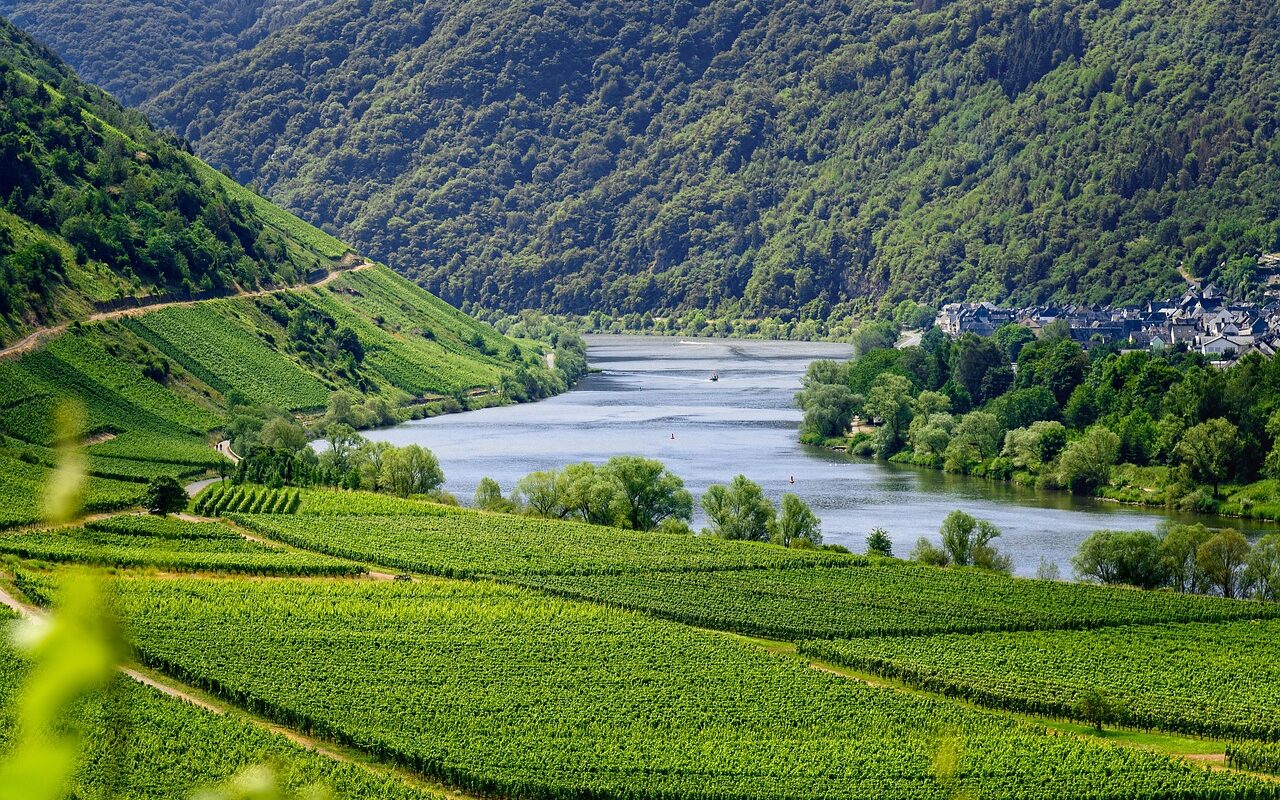
At the heart of the valley flows the Alpbach River, the primary waterway that gives the region its name. Originating high in the surrounding mountains, the river collects water from numerous springs and streams before winding through the valley floor.
Historically, the Alpbach River has served several essential functions for local communities:
- Providing water for agriculture
- Supporting livestock farming
- Powering traditional mills
- Sustaining the valley’s ecosystems
Although the river appears calm and peaceful during much of the year, its flow can become significantly stronger during spring snowmelt or after heavy alpine rains.
Over centuries, the river has gradually shaped the valley’s terrain by eroding rock and transporting sediments downstream.
Alpine Springs: Hidden Sources of Life
One of the most fascinating features of the Alpbach Valley is the abundance of natural alpine springs that emerge from the mountainsides.
These springs form when groundwater flows through porous rock layers until it reaches the surface. In mountainous environments like the Kitzbühel Alps, melting snow and rainfall seep deep into the ground before resurfacing as clear, cold water.
Many springs around Alpbach remain remarkably pure due to the natural filtration provided by alpine soil and rock.
Historically, villagers relied heavily on these springs for drinking water. Along mountain routes, hikers and residents still frequently come across traditional wooden fountains that are fed by natural spring water.
These springs contribute not only to the valley’s water supply but also to its cultural heritage.
Seasonal Streams and Snowmelt Channels
During the warmer months, the valley comes alive with small seasonal streams that form as snow melts in the surrounding mountains.
These streams are especially common in late spring when accumulated winter snow begins to thaw. Meltwater flows rapidly down steep slopes, forming temporary channels that feed into larger waterways such as the Alpbach River.
While many of these streams disappear later in the season, they play a vital role in maintaining soil moisture and replenishing groundwater reserves.
These seasonal water flows also help transport nutrients from higher elevations down into forests and meadows, supporting the region’s lush vegetation.
Waterfalls and Mountain Cascades
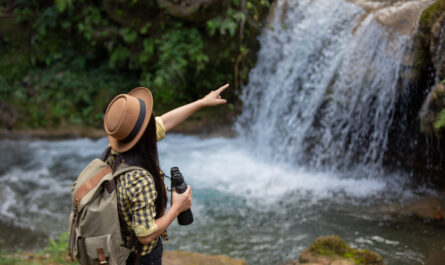
Another striking feature of the Alpbach Valley’s waterways is the presence of small waterfalls and cascading streams.
As water descends steep alpine slopes, it often flows over rocky ledges, creating dramatic cascades that echo through the forests.
Although the region is not known for massive waterfalls like those found in some alpine national parks, the valley’s smaller cascades contribute significantly to its scenic charm.
Hiking trails around Alpbach frequently pass by these natural water features, offering peaceful spots where visitors can pause to enjoy the sound of rushing water.
Rivers Beyond the Valley
While the Alpbach River forms the central waterway of the valley, it eventually joins larger regional rivers that connect the area to the broader alpine watershed.
One of the most important rivers in the region is the Inn River. This major river flows through parts of Austria and eventually merges with the Danube River.
Through this network of waterways, the small streams and springs of the Alpbach Valley ultimately contribute to one of Europe’s most significant river systems.
The Role of Water in Alpine Agriculture
For centuries, agriculture has been a cornerstone of life in the Alpbach Valley. Local farmers rely on natural water sources to sustain livestock and maintain fertile pastures.
The region is particularly known for alpine meadows used for grazing cattle during summer months.
Water from springs and streams helps maintain these meadows by providing essential moisture for grasses and wildflowers.
In earlier times, farmers also developed simple irrigation channels that diverted water from nearby streams to fields and pastures. These traditional systems ensured that crops and livestock had reliable access to water even during dry periods.
Water and Biodiversity in the Valley
The waterways of the Alpbach Valley also support a diverse range of plant and animal species.
Freshwater habitats provide essential conditions for aquatic life such as small fish, amphibians, and insects. These species, in turn, form the foundation of a broader ecosystem that includes birds and mammals.
Forests surrounding streams and rivers often host wildlife such as:
- Red Deer
- Alpine Chamois
- Golden Eagle
The constant flow of fresh water ensures that vegetation remains lush, creating habitats for many alpine species.
Cultural Traditions Linked to Water
Water has long held cultural significance for communities in the Alpbach Valley.
Traditional festivals and local customs sometimes reflect the importance of natural resources, including rivers and springs. Historic wooden fountains found throughout the village once served as gathering places where residents collected water and shared news.
In many alpine regions, water is also associated with purity and renewal. The clear mountain springs surrounding Alpbach symbolize the deep connection between local communities and their natural environment.
These traditions reinforce the valley’s identity as a place where nature and culture remain closely intertwined.
Conservation and Sustainable Water Management
As tourism in the Alpbachtal continues to grow, protecting natural water sources has become increasingly important.
Local authorities and environmental organizations work to maintain the purity of springs and rivers through careful land management and conservation practices.
Efforts include:
- Monitoring water quality
- Protecting forested watersheds
- Promoting sustainable tourism
- Limiting pollution and overdevelopment
These initiatives help ensure that the valley’s waterways remain healthy for both residents and visitors.
Experiencing the Valley’s Waterways Today
The Alpbach Valley’s unique springs and rivers provide endless chances for exploration for tourists.
Hiking trails often follow streams through forests and alpine meadows, providing scenic routes where travelers can experience the peaceful sounds of flowing water.
During warmer months, visitors may encounter cool mountain streams ideal for resting tired feet after a long hike.
Photographers are particularly drawn to the reflections of mountains and forests in clear alpine water, creating images that capture the essence of the Austrian Alps.
Conclusion
The natural springs and rivers of the Alpbach Valley are far more than simple geographic features—they are the lifeblood of the landscape. From hidden mountain springs to the flowing Alpbach River, these waterways have shaped the valley’s environment, agriculture, culture, and communities for generations.
Fed by snowmelt from the Kitzbühel Alps, the valley’s water systems sustain rich ecosystems and maintain the lush beauty that defines this part of Austria.
As visitors explore the peaceful village of Alpbach and its surrounding landscapes, the presence of flowing water remains constant—whether in the form of bubbling springs, quiet streams, or rivers carving their way through the mountains.
These natural waterways remind us that the true character of the Alpbach Valley is shaped not only by its architecture and traditions but also by the enduring power of water flowing through the heart of the Alps.