 by
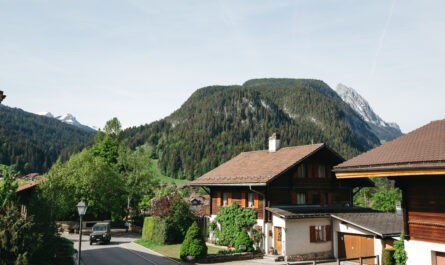
by Alpbach — a picture-postcard alpine village in the Austrian state of Tyrol — captures the imagination of travelers, students, artists, and outdoor enthusiasts alike. With its flower-decked chalets, pristine mountain scenery, and a cultural calendar that shifts beautifully through every season, Alpbach is more than a destination for a weekend getaway: for many, it’s a place to spend an entire season studying, working, training, or simply savoring alpine life.
But a longer stay — whether autumn, winter, or the summer months — requires careful planning, especially when it comes to costs and practical considerations. From accommodation and daily expenses to seasonal work opportunities and cultural integration, there’s more to think about than just booking a ticket.
This guide breaks down what it really means — financially and logistically — to spend a season in Alpbach.
1. Accommodation: Your Biggest Seasonal Cost
Accommodation is usually the largest expense when staying in Alpbach for an extended period. Prices and options vary significantly by season, availability, and how far in advance you book.
Types of Accommodation
a) Long-Term Rentals
Long-term rentals (typically defined as stays of a month or more) are available through private landlords, guesthouses, and occasionally through hotels offering seasonal rates.
- Apartments: Small studios or one-bedroom units can range from moderate to expensive, depending on size and location.
- Shared Flats / Rooms: Sharing a flat or renting a room in a larger apartment or guesthouse is often cheaper.
b) Guesthouses and Pensionen
Some guesthouses offer seasonal rates if you commit to multi-week or multi-month stays. These often include meals or use of communal facilities.
c) Hostels and Budget Stays
Budget travelers may find hostel accommodations (often in nearby towns) cheaper but less private.
Seasonal Price Fluctuations
- Winter (December–March): Peak ski season — accommodation is at its highest prices, especially around Christmas and New Year.
- Summer (June–September): High hiking and festival season — prices can remain elevated.
- Shoulder Seasons (April–May, October–November): Often the most affordable times to secure a long-term stay with fewer tourists.
Budget Estimates (Seasonal Average)
Note: prices are approximate and vary by year, exchange rates, and demand.
| Accommodation Type | Estimated Monthly Cost (EUR) |
|---|---|
| Shared room | 500–800 |
| One-bedroom apartment | 900–1,500 |
| Guesthouse seasonal package (partial meals) | 1,200–2,000 |
| Hostel shared dorm (extended rate) | 400–700 |
Tip: Booking early (3–6 months) secures better deals in peak seasons.
2. Cost of Living: Food, Transport, and Daily Expenses
After accommodation, living costs include groceries, meals out, transport, and everyday items.
Groceries & Meal Planning
Buying groceries and preparing your own meals can save a lot. There are local markets and grocery stores in Alpbach where you may purchase:
- Bread, cheese, cold cuts
- Fresh fruits and vegetables
- Pasta, rice, grains
- Dairy products
- Seasonal produce from local farms
Estimated Monthly Grocery Budget:
€200–€300 for a frugal but healthy diet, more if you eat a lot of imported products.
Eating Out
Alpbach has a range of restaurants, from traditional Tyrolean inns to casual cafés.
- Budget meal (e.g., prezzemolo or simple lunch): €10–€18
- Mid-range restaurant dinner: €20–€35
- Coffee or pastry: €3–€6
Spending €8–€15 for lunch most days and limiting restaurant dinners can keep daily food costs manageable.
Transportation
While Alpbach is compact and walkable, seasonal travel may involve buses and regional transport:
- Local buses: Often €2–€4 per trip
- Regional train/bus connections (e.g., to Innsbruck or Munich): €20–€80 one-way depending on distance and booking timing
- Bike rental (seasonal): €50–€90/month
- Taxi rides within village: €10–€25 depending on distance
Public transport passes can offer savings if you plan regular regional travel.
Utilities & Internet
Some long-term rentals include utilities (electricity, heating, water) and internet, but in independent rentals:
- Utility costs: €80–€150/month
- High-speed internet (if not included): €30–€50/month
3. Work, Study, and Seasonal Income Opportunities
Several people choose to spend a season in Alpbach not just for leisure but to work, study, or train. Options vary by skills, language ability, and permits.
a) Seasonal Jobs
Alpbach’s tourism focus means seasonal work is common in:
- Restaurants and cafés (waiting, kitchen assistance)
- Ski schools or outdoor activity companies (in winter)
- Bike and adventure tour outfits (in summer)
- Guesthouses and family hospitality
Wages: Seasonal jobs often pay minimum wage or slightly above — but they usually include tips and sometimes subsidized accommodation.
b) Cultural and Academic Residencies
Alpbach hosts festivals, workshops, and events — particularly tied to architecture, science, and arts. Some programs offer scholarships or stipends for seasonal fellows, but these are competitive and require application in advance.
c) Teaching and Language Exchange
Those fluent in English or German sometimes find part-time teaching or conversation partner roles with local language schools, guesthouse guests, or private tutoring.
Important Note: If you’re not an EU/EEA citizen, you must check work permit requirements for Austria before securing employment, and seasonal work has its own regulations.
4. Insurance, Healthcare & Safety Planning
A season in Alpbach isn’t just about having fun — it’s about being prepared.
Health Insurance
If you’re an EU resident, your European Health Insurance Card (EHIC) offers basic coverage, but many choose to purchase supplementary travel/health insurance to cover:
- Outpatient care
- Hospitalization
- Emergency evacuation (important for mountain regions)
Non-EU visitors should secure comprehensive coverage that includes medical and evacuation services.
Liability/Activity Insurance
If you plan to ski, snowboard, hike, or participate in adventure sports, accident and liability insurance is strongly recommended. In Austria, emergency rescue costs, particularly in mountainous terrain, can be significant without coverage.
5. Seasonal Activity Costs and Considerations
Winter Sports
Alpbach is part of a larger ski network. Lift passes vary by season and age group:
- Season ski pass (entire winter): €500–€800+
- Day pass: €40–€60 (varies by age and peak vs off-peak)
- Equipment rental (monthly): €100–€200
If skiing or snowboarding is central to your season, factor in lift pass and gear costs from the start.
Summer Adventures
Hiking, mountain biking, and climbing are popular in warmer months. Costs include:
- Bike rental (monthly): €50–€90
- Guided tours/workshops: €30–€120 per day
- Climbing gym membership: €40–€80/month
Many trails and natural areas are free to access on your own.
6. Cultural Integration & Lifestyle Considerations
Spending a season in Alpbach isn’t just about money — it’s about adapting to local rhythms and lifestyle.
Language
German is the primary language in Alpbach. Even basic German can help with daily tasks like grocery shopping, bus schedules, and socializing. Many locals and business owners speak English, but learning even simple phrases enriches the seasonal experience.
Community Events
Alpbach is known for community engagement: weekly markets, festivals, cultural evenings, and seasonal celebrations. Participating helps you connect with residents and travelers, and many events are free or low-cost.
Seasonal Weather
Alpine weather can be unpredictable. Winter evenings can be long and cold, and summer thunderstorms can emerge quickly. Be prepared with appropriate clothing and flexible plans.
7. Budget Planning for a Season: Sample Breakdown
Here’s a realistic estimate for a 3-month season in Alpbach (fall, winter, or summer):
| Expense Category | Estimated Cost (€) |
|---|---|
| Accommodation (shared/rental) | 2,700–4,500 |
| Groceries & daily food | 600–900 |
| Transportation (local & regional) | 200–500 |
| Season activity costs | 300–900 |
| Insurance (health + activity) | 200–500 |
| Utilities & Internet | 240–450 |
| Miscellaneous (entertainment, gear, etc.) | 300–700 |
| Total Estimated Range | ~4,500–8,450 |
Note: Costs vary widely based on lifestyle, travel style, and season.
8. Tips for Reducing Costs Further
If your goal is to experience a season in Alpbach with minimal expenses, here are practical strategies:
Book Early
Secure housing and transport well in advance, especially for peak winter and summer periods.
Share Costs
Traveling with a partner or group can dramatically lower per-person accommodation and meal costs.
Use Regional Transport Passes
Swiss and Austrian regional passes offer unlimited travel within zones at fixed prices — often cheaper than single tickets.
Volunteer or Work Exchange
Some guesthouses and community organizations offer reduced accommodation in exchange for work hours.
Season Pass Bundles
Purchase combined sport or activity passes if you plan frequent use — for example, bike network passes in summer or winter lift ticket bundles.
Final Thoughts: What a Season in Alpbach Really Offers
A season in Alpbach isn’t just time spent in a beautiful place — it’s an immersive experience in alpine culture, outdoor adventure, and community life. Yes, costs can add up, but careful planning, sensible budgeting, and smart choices make it achievable for many travelers.
Whether you’re skiing snowy runs in winter, hiking green ridges in summer, learning German in a local café, or simply savouring views of mountain peaks from a front-door balcony, spending extended time in Alpbach is an investment in experience — one that can leave lasting memories long after the season changes.