 by
by Winter transforms alpine villages into magical landscapes, and few places capture this beauty as perfectly as Alpbach. Known for its traditional wooden chalets, snow-covered rooftops, and breathtaking mountain views, Alpbach becomes a dream destination for photographers during the colder months. Every street corner, hillside, and forest path offers an opportunity to capture scenes that feel like they belong in a postcard.
For photographers, winter in Alpbach presents a unique blend of natural beauty, soft lighting, and charming architecture. However, photographing snowy landscapes requires specific techniques and preparation. Snow can create exposure challenges, cold temperatures affect equipment, and rapidly changing weather conditions require flexibility.
This guide explores how to photograph winter landscapes in Alpbach successfully, covering the best locations, ideal lighting conditions, essential camera settings, and tips for protecting your gear in cold environments.

Why Alpbach Is Perfect for Winter Photography
Located in the scenic Alpbachtal, Alpbach is widely admired for its harmonious alpine architecture and pristine natural surroundings. The village follows strict building regulations that preserve its traditional wooden style, making it one of the most visually cohesive alpine towns in Europe.
When winter arrives, the village transforms dramatically. Snow blankets rooftops, mountain meadows, and forests, creating a peaceful landscape filled with natural contrast and texture.
Several features make Alpbach ideal for winter photography:

- Traditional wooden chalets covered in snow
- Scenic mountain views in every direction
- Quiet forest trails and alpine pastures
- Dramatic winter light and shadows
These elements combine to create countless photographic opportunities for both beginners and experienced photographers.
Understanding Winter Light in the Alps
Winter light behaves differently from light during other seasons. In alpine environments like Alpbach, the sun remains lower in the sky throughout the day. This produces longer shadows and softer lighting, which can enhance landscape photography.
The low sun angle also creates warmer tones during sunrise and sunset. Snow-covered mountains often glow with golden and pink hues during these times, providing spectacular photo opportunities.
Because daylight hours are shorter in winter, photographers should plan carefully to maximize shooting time.
Key moments for winter photography include:
- Sunrise: soft pastel colors and untouched snow
- Golden hour: warm sunlight illuminating mountain slopes
- Blue hour: cool twilight tones after sunset
Each of these periods produces a distinct atmosphere that can dramatically influence your images.
Best Photography Locations Around Alpbach
Village Streets and Chalets
The streets of Alpbach themselves are among the best photography locations in the region. Traditional wooden houses with flower balconies become even more picturesque when surrounded by snow.
Early morning is the best time to photograph the village. Fresh snow, quiet streets, and soft light create a peaceful atmosphere.
Look for compositions that include:
- Snow-covered roofs and wooden textures
- Narrow streets leading toward mountain views
- Smoke rising from chimneys during cold mornings
These elements help tell the story of alpine winter life.
Alpine Meadows of the Alpbachtal Valley
The surrounding meadows of Alpbachtal provide expansive winter landscapes. In summer, these areas are green pastures, but winter transforms them into smooth white fields framed by mountains.
Wide-angle lenses work especially well here, allowing photographers to capture sweeping scenes of snow-covered terrain.
Adding small elements—such as wooden fences, cabins, or lone trees—can provide scale and visual interest in otherwise minimal landscapes.
Forest Trails and Snow-Covered Trees
Alpine forests surrounding Alpbach become magical during heavy snowfall. Snow clings to tree branches, creating patterns and textures that look almost sculpted.
Forest photography benefits from soft, diffused light, which often occurs during cloudy winter days.
When photographing forest scenes, consider:
- Leading lines created by trails
- Contrasts between dark tree trunks and white snow
- Close-up textures of snow-covered branches
These compositions can create intimate and atmospheric winter images.
Mountain Viewpoints
Higher elevations above the village offer dramatic panoramic views of the surrounding mountains.
Photographers can capture sweeping alpine landscapes where snowy peaks stretch across the horizon.
These viewpoints are particularly stunning during sunrise or sunset when warm light touches the mountain ridges.
Camera Settings for Snow Photography
Snow presents unique exposure challenges. Because snow reflects large amounts of light, cameras often interpret the scene as brighter than it actually is.
This can cause photos to appear darker or gray instead of bright white.
To compensate, photographers often increase exposure slightly. Adjusting exposure compensation by +1 or +2 stops can help maintain the brightness of snow.
Other recommended settings include:
- Low ISO for sharp images in bright conditions
- Small aperture (f/8–f/11) for landscape depth
- Manual white balance to maintain natural snow colors
Experimenting with different settings helps achieve the best results in varying light conditions.
Capturing Snowfall in Photographs
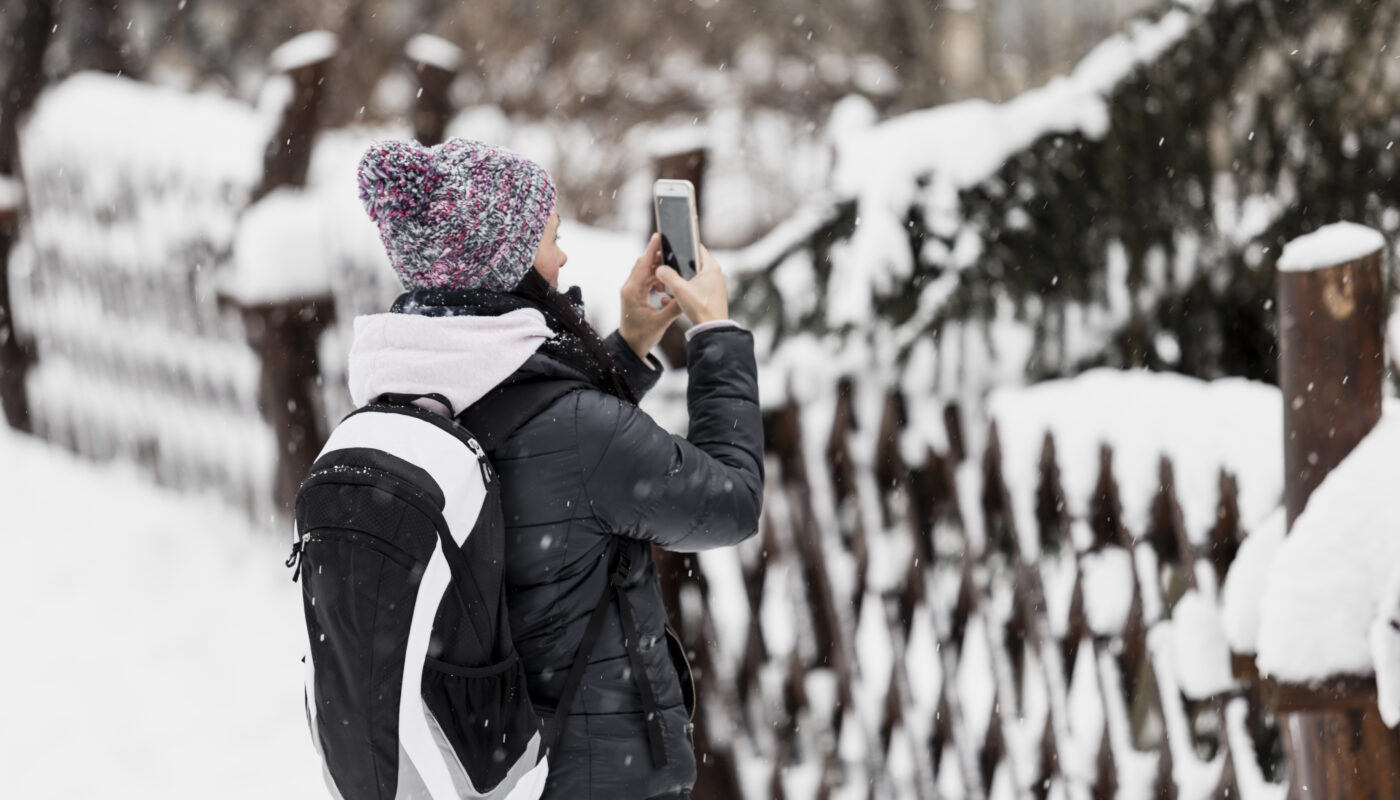
Snowfall adds movement and atmosphere to winter photography. Capturing falling snow requires slightly different techniques.
Using a faster shutter speed can freeze snowflakes in midair, while a slower shutter speed creates soft streaks that emphasize motion.
Photographers may also use darker backgrounds, such as forests or buildings, to make snowflakes more visible in images.
Shooting during light snowfall can produce especially magical results.
Protecting Your Camera in Cold Weather
Cold temperatures can affect camera equipment in several ways. Batteries drain faster in cold environments, and condensation can occur when moving between cold outdoor air and warm indoor spaces.
To protect your gear while photographing in Alpbach, consider the following precautions:
- Carry spare batteries in warm pockets
- Use weather-sealed cameras or protective covers
- Allow cameras to warm gradually indoors to avoid condensation
These steps help ensure your equipment remains functional throughout your photography session.
Composing Strong Winter Images
Snow simplifies landscapes by covering details and creating clean, minimal scenes. This can be an advantage for photographers because it highlights shapes, textures, and contrast.
Effective winter compositions often include:
- Strong leading lines
- Contrasting colors or textures
- A clear subject within the frame
For example, a wooden cabin surrounded by white snow immediately becomes the focal point of a photograph.
Foreground elements such as fences, trees, or pathways can also help guide the viewer’s eye through the image.
Night Photography in Snowy Landscapes
Winter nights in alpine villages offer excellent opportunities for nighttime photography.
The reflective nature of snow amplifies available light, making scenes brighter than typical night environments.
Photographers can capture:
- Illuminated chalets glowing against snowy landscapes
- Starry skies above quiet alpine villages
- Light trails from passing vehicles
Tripods are essential for night photography, allowing longer exposures without camera shake.
Winter Wildlife Photography Opportunities
Although winter landscapes dominate the region, wildlife photography is also possible in the surrounding alpine forests.
Animals such as deer, birds, and small mammals occasionally appear in snowy environments.
Patience and quiet observation are key for capturing wildlife images in winter conditions.
Practical Tips for Winter Photography Trips
To make the most of a photography trip to Alpbach, preparation is essential.
Helpful tips include:
- Dress in warm, layered clothing
- Bring gloves that allow camera control
- Use waterproof footwear
- Carry lens cloths to remove snow or moisture
Comfortable photographers are more likely to remain patient and capture better images.
Conclusion
Winter photography in Alpbach offers a magical combination of alpine scenery, traditional architecture, and pristine snow-covered landscapes. From the peaceful streets of the village to the expansive meadows of the Alpbachtal, every location provides opportunities to capture breathtaking images.
Understanding winter light, mastering exposure techniques for snow, and protecting equipment in cold temperatures are key elements of successful winter photography.
For photographers willing to brave the cold, Alpbach rewards patience with unforgettable scenes of alpine beauty. Snowy rooftops, glowing sunsets, quiet forests, and towering mountains all combine to create a winter landscape that feels timeless and inspiring.