 by
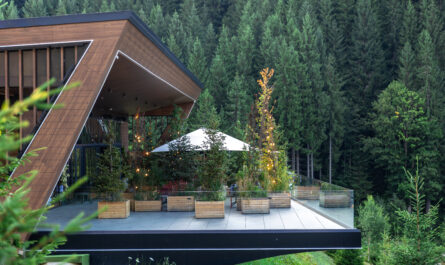
by Tucked into Austria’s Tyrolean Alps, Alpbach is widely celebrated for its traditional wooden chalets, flower-covered balconies, and breathtaking mountain scenery. Often called one of Europe’s most picturesque villages, Alpbach is more than a postcard destination—it is also a model for environmentally responsible tourism.
As global travel continues to grow, destinations like Alpbach face an important challenge: how to welcome visitors without harming fragile alpine ecosystems. Mountain regions are particularly sensitive to climate change, resource consumption, and overtourism. Fortunately, Alpbach has embraced sustainability as part of its identity, making it easier for travelers to reduce their environmental footprint while enjoying an unforgettable alpine experience.
This guide explores practical ways visitors can travel responsibly, support local sustainability efforts, and experience Alpbach while protecting the natural beauty that makes it special.
Why Sustainable Travel Matters in Alpine Villages
High-altitude environments operate differently from urban or coastal destinations. Alpine ecosystems recover slowly from disturbance because of shorter growing seasons and delicate soil structures. Even small actions—walking off marked trails or producing excessive waste—can have lasting impacts.
Tourism brings economic benefits, but it also increases energy use, transportation emissions, and environmental pressure. Responsible travel ensures that tourism supports local communities without degrading landscapes.
Alpbach stands out because sustainability is not treated as a marketing trend; it is embedded in daily life. Visitors become part of this effort simply by making mindful decisions during their stay.
Planning an Eco-Friendly Journey to Alpbach
Choose Low-Carbon Transportation
The journey to your destination often produces the largest share of travel emissions. Choosing greener transportation options significantly reduces environmental impact.
Train travel is one of the most sustainable ways to reach the Austrian Alps. Nearby railway stations connect efficiently to regional buses that transport visitors directly into Alpbach. Public transport reduces road congestion, lowers emissions, and preserves the peaceful character of the village.
Once you arrive, consider leaving the car behind. Alpbach’s compact layout makes walking enjoyable, and scenic routes often reveal hidden viewpoints inaccessible by vehicle.
Use Shared and Electric Mobility
Local transportation options support eco-conscious travel:
- Regional buses connecting hiking areas
- Bicycle and e-bike rentals
- Shared mobility services
- Electric vehicle charging infrastructure
Exploring the mountains slowly allows travelers to experience nature more intimately while reducing pollution.
Selecting Environmentally Responsible Accommodation
Accommodation choices strongly influence a trip’s environmental footprint. Many guesthouses and hotels in Alpbach follow sustainable operating practices that reduce energy consumption and waste production.
Eco-conscious lodging commonly includes:
- Renewable energy systems
- Efficient insulation and heating
- Water-saving technologies
- Responsible waste separation programs
- Locally sourced food offerings
Family-run guesthouses often demonstrate particularly strong sustainability values, combining traditional hospitality with environmental awareness.
Travelers can contribute by supporting accommodations that prioritize conservation and by respecting sustainability policies during their stay.
Eating Sustainably in Alpbach
Food connects visitors directly with local culture—and sustainability.
Alpbach’s culinary traditions rely heavily on regional agriculture. Mountain farms produce dairy products, vegetables, and meats adapted to alpine conditions. Choosing locally sourced meals reduces transportation emissions while strengthening the regional economy.
Sustainable Dining Habits
- Prefer seasonal dishes instead of imported ingredients
- Avoid food waste by ordering appropriate portions
- Carry reusable water bottles or coffee cups
- Support small, family-owned restaurants
Dining locally transforms meals into meaningful cultural experiences while minimizing environmental impact.
Reducing Waste While Traveling
Mountain communities must manage waste carefully due to limited space and sensitive ecosystems. Visitors play an important role in maintaining Alpbach’s cleanliness.
Simple habits make a major difference:
- Bring reusable shopping bags
- Avoid single-use plastic items
- Separate recyclables correctly
- Dispose of waste only in designated areas
Packing lightly and thoughtfully before traveling also reduces waste generation during your trip.
Exploring Nature Responsibly
Alpbach’s greatest attraction is its surrounding natural environment—lush alpine meadows, forests, and panoramic mountain trails. Responsible outdoor behavior ensures these landscapes remain healthy for future generations.
Follow Responsible Hiking Practices
- Stay on marked paths to protect vegetation
- Avoid picking wildflowers or disturbing rocks
- Keep noise levels low in wildlife habitats
- Carry out all trash
Alpine plants may take decades to recover from damage. Respecting nature helps preserve biodiversity and scenic beauty.
Choose Low-Impact Outdoor Activities
Environmentally friendly activities include:
- Hiking and nature walks
- Mountain biking on designated routes
- Snowshoeing and cross-country skiing
- Wildlife observation and photography
These experiences allow travelers to enjoy adventure without excessive environmental disturbance.
Practicing Slow Travel
One of the most effective sustainability strategies is simply slowing down.
Instead of rushing between destinations, spending more time in one place reduces transportation emissions and encourages deeper cultural engagement. Alpbach rewards slow travelers with peaceful scenery, meaningful interactions, and authentic experiences.
Walking through the village, attending local markets, or enjoying quiet mountain sunsets often becomes more memorable than ticking attractions off a checklist.
Respecting Alpine Wildlife
The Alps host diverse animal species adapted to fragile habitats. Human presence can easily disrupt feeding patterns or breeding behavior.
Travelers should:
- Observe animals from a respectful distance
- Avoid feeding wildlife
- Keep pets under control
- Respect seasonal trail closures
Responsible wildlife observation protects both animals and visitors.
Conserving Energy and Water
Even in environmentally conscious destinations, traveler behavior matters.
Reduce resource consumption by:
- Turning off lights and electronics when leaving rooms
- Limiting towel and linen changes
- Taking shorter showers
- Using natural ventilation instead of excessive heating or cooling
These small actions collectively reduce environmental pressure on mountain infrastructure.
Supporting Local Culture and Economy
Sustainability includes social responsibility. Tourism should benefit residents as much as visitors.
Support the community by:
- Purchasing handmade crafts instead of imported souvenirs
- Hiring local guides
- Attending village festivals and cultural events
- Visiting regional farms or artisan workshops
When tourism income remains local, communities gain incentives to preserve both culture and environment.
Traveling Outside Peak Seasons
Visiting during shoulder seasons—late spring or early autumn—offers environmental and experiential advantages.
Benefits include:
- Reduced overcrowding
- Lower strain on local resources
- More relaxed atmosphere
- Better interaction with residents
Balanced tourism throughout the year helps protect ecosystems from seasonal pressure.
Learning From Alpbach’s Sustainability Model
Alpbach demonstrates how tourism can coexist with environmental protection. The village integrates renewable energy initiatives, sustainable architecture, and responsible land management into everyday operations.
Travelers become part of this model by aligning their habits with local values. Sustainable tourism succeeds when visitors act not just as guests but as temporary caretakers of the destination.
Becoming an Eco-Conscious Traveler
Sustainable travel does not require perfection. Instead, it involves awareness and gradual improvement.
Consider:
- Offsetting travel emissions when possible
- Choosing experiences over material souvenirs
- Sharing responsible travel practices with others
Each traveler contributes to broader environmental change through informed choices.
The Future of Sustainable Alpine Tourism
Climate change poses ongoing challenges for mountain destinations. Rising temperatures affect snowfall, biodiversity, and water availability across the Alps.
Alpbach’s proactive approach offers a hopeful example. By prioritizing sustainability today, the village protects its future as both a community and a travel destination.
Responsible visitors strengthen these efforts, proving that tourism can support conservation rather than threaten it.
Conclusion: Leaving Alpbach Better Than You Found It
Traveling sustainably in Alpbach is not about limiting enjoyment—it is about enriching the experience. Walking instead of driving, choosing local food, respecting nature, and supporting community businesses deepen the connection between traveler and place.
Alpbach invites visitors to slow down, appreciate natural beauty, and travel with intention. Every mindful decision helps preserve alpine landscapes, cultural traditions, and ecological balance.
By minimizing environmental impact, travelers ensure that Alpbach’s forests, mountains, and welcoming atmosphere continue inspiring visitors for generations to come.