by
by The alpine landscapes of Alpbach are among the most beautiful in Europe. Surrounded by the scenic mountains of Alpbachtal and the rolling peaks of the Kitzbühel Alps, the region attracts hikers from around the world. With its flower-filled meadows, traditional wooden farmhouses, and breathtaking mountain trails, Alpbach offers countless opportunities to explore nature.
However, the popularity of alpine hiking also brings responsibility. Fragile ecosystems, local communities, and wildlife depend on careful and respectful behavior from visitors. Responsible hiking ensures that the natural beauty of the Alpbach region remains preserved for future generations.
This guide explains how hikers can explore the Alpbach region responsibly while enjoying everything the alpine landscape has to offer.

Understanding the Alpine Environment
Before setting out on the trails, it helps to understand the delicate environment that surrounds Alpbach. Alpine ecosystems are highly sensitive because they develop under harsh conditions such as cold temperatures, strong winds, and short growing seasons.
Plants growing in the high meadows of the Kitzbühel Alps often take many years to mature. Even a small amount of damage caused by trampling or picking flowers can take a long time to recover.
Wildlife in the region also relies on quiet habitats. Animals such as the Alpine Chamois and the Golden Eagle depend on undisturbed landscapes to hunt, nest, and raise their young.

By recognizing the fragility of this environment, hikers can better appreciate why responsible behavior matters.
Stay on Marked Trails
One of the most important rules of responsible hiking is staying on designated paths. The trails throughout Alpbachtal are carefully designed to guide visitors through scenic areas while protecting vulnerable vegetation.
When hikers leave the marked paths, they can unintentionally damage fragile plants and cause soil erosion. Over time, repeated off-trail walking can create new unofficial routes that harm the landscape.
In the area, trail markers are typically kept up to date by local authorities and are easily visible. Following these markers not only protects nature but also helps hikers stay safe and avoid getting lost.
Respect Local Wildlife
Wild animals are an essential part of the alpine ecosystem. The forests and mountain slopes around Alpbach provide habitats for a variety of species.
Hikers may encounter animals such as:
- Red Deer
- Alpine Chamois
- Golden Eagle
While these encounters can be exciting, it is important to observe wildlife from a respectful distance. Approaching animals too closely can cause stress and disrupt their natural behavior.
Feeding wildlife should also be avoided. Human food can harm animals and encourage them to depend on visitors rather than natural food sources.
Keeping noise levels low helps maintain the peaceful environment that wildlife depends on.
Carry Out All Waste
A fundamental principle of responsible hiking is the “leave no trace” philosophy. This means that hikers should remove everything they bring into the mountains.
Even small items such as fruit peels or snack wrappers can disrupt natural ecosystems. Food scraps may attract animals and alter their feeding habits.
Visitors exploring trails around Alpbachtal should carry a small bag to collect waste and dispose of it properly once they return to the village.
Maintaining clean trails ensures that the region remains enjoyable for both locals and future hikers.
Protect Alpine Plants and Flowers
During spring and summer, alpine meadows surrounding Alpbach become vibrant with colorful wildflowers.
Although it may be tempting to pick these flowers, doing so can harm the delicate ecosystem. Many alpine plants reproduce slowly and depend on specific environmental conditions.
Some species are also protected by conservation laws.
Instead of picking flowers, hikers can photograph them and enjoy their beauty without disturbing the environment.
Respect Local Farming Areas
Agriculture remains an important part of life in the Alpbach region. Many trails pass through traditional alpine pastures where farmers graze cattle during the summer months.
When hiking through these areas, visitors should:
- Close gates after passing through
- Avoid disturbing livestock
- Keep a safe distance from animals
Farmers rely on these pastures for their livelihoods, and respectful behavior helps maintain a positive relationship between tourism and agriculture.
Prepare Properly for the Mountains
Responsible hiking also includes personal preparation. Alpine weather can change quickly, even in summer. Conditions in the Kitzbühel Alps may shift from sunshine to storms within a short time.
Hikers should always carry essential gear such as:
- Adequate water
- Weather-appropriate clothing
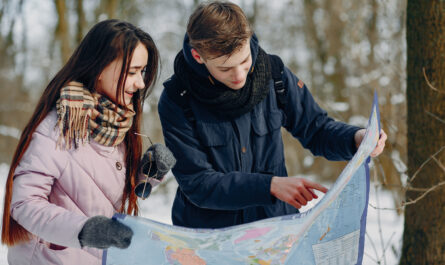
- A map or GPS device
- A first-aid kit
- Sun protection
Proper preparation reduces the likelihood of emergencies and minimizes the need for rescue operations, which can disturb wildlife and strain local resources.
Choose Sustainable Transportation
Travel choices also play a role in responsible hiking. Many visitors reach the Alpbach region by car, but public transportation and shuttle services provide more sustainable options.
Using buses or regional trains helps reduce traffic and air pollution in the valley.
Some hiking trails near Alpbachtal are easily accessible from public transport stops, making it convenient for travelers to explore without driving.
Reducing vehicle use helps protect the clean alpine air and peaceful atmosphere of the region.
Support Local Businesses
Responsible tourism also means supporting the communities that maintain and protect the landscape.
Visitors hiking in Alpbach can contribute to the local economy by:
- Staying in family-run guesthouses
- Dining at local restaurants
- Purchasing regional products
These actions help sustain traditional lifestyles and encourage continued environmental stewardship.
Be Mindful of Other Hikers
The trails around Alpbach are shared spaces enjoyed by people from many different countries and backgrounds. Responsible hikers show courtesy and respect toward others.
Simple actions such as yielding to uphill hikers, greeting fellow travelers, and keeping noise levels low contribute to a positive experience for everyone.
Maintaining this friendly atmosphere reflects the welcoming spirit of alpine communities.
Follow Local Safety Guidelines
Authorities in the Alpbachtal maintain clear safety guidelines to protect visitors.
These guidelines may include:
- Checking weather forecasts before hiking
- Avoiding dangerous trails during storms
- Respecting seasonal closures for wildlife protection
Following these recommendations ensures that hiking remains both safe and environmentally responsible.
Encourage Environmental Awareness
Visitors who practice responsible hiking often inspire others to do the same. Sharing knowledge about environmental protection helps create a culture of respect for nature.
Travelers can promote responsible practices by:
- Educating friends about leave-no-trace principles
- Sharing sustainable travel tips online
- Supporting conservation initiatives
These efforts contribute to preserving the natural beauty of the alpine landscape.
The Long-Term Future of Alpine Hiking
Tourism continues to grow in the region surrounding Alpbach, bringing both opportunities and challenges.
Responsible hiking plays an essential role in ensuring that increased visitor numbers do not damage the environment.
Local authorities, conservation organizations, and residents work together to maintain trails, protect wildlife habitats, and manage tourism sustainably.
When hikers follow responsible practices, they help preserve the unique character of the Alpbach region.
Conclusion
Hiking in the breathtaking landscapes of Alpbach offers an unforgettable experience. Surrounded by the peaks of the Kitzbühel Alps and the scenic valleys of Alpbachtal, visitors can explore alpine trails that showcase the beauty of nature.
However, enjoying these landscapes also comes with responsibility. By staying on marked trails, respecting wildlife, protecting plants, and supporting local communities, hikers can ensure that the region remains healthy and vibrant.
Responsible hiking is not simply about following rules—it is about appreciating the delicate balance between people and nature. When visitors treat the alpine environment with care, they help preserve the magic of the mountains for generations to come.