 by
by Adventure travel has become increasingly popular as more people seek meaningful experiences in nature. Instead of staying in traditional hotels, travelers are now choosing accommodation that places them directly within forests, mountains, and remote wilderness areas. This type of lodging allows visitors to wake up surrounded by nature, enjoy breathtaking landscapes, and immerse themselves fully in outdoor exploration.
Among the most appealing accommodation choices for adventure travelers are cabins, mountain huts, and alpine shelters. Each offers a different level of comfort and functionality, but all share a common goal: providing safe and practical lodging in natural environments. Whether you are hiking through mountain trails, climbing rugged peaks, or exploring remote valleys, these types of accommodation can enhance your adventure while offering a place to rest and recharge.
This guide explores the characteristics of cabins, huts, and alpine shelters, their advantages, and how travelers can choose the right option for their outdoor journey.

The Rise of Adventure-Based Accommodation
In recent years, outdoor tourism has grown significantly. Many travelers now prefer experiences that connect them with nature rather than urban sightseeing. Hiking, mountaineering, trekking, and wilderness exploration have become central parts of modern travel culture.
Adventure lodging plays an important role in supporting these activities. Because many natural attractions are located far from cities or towns, travelers need accommodation that can function in remote areas. Cabins, huts, and shelters provide the infrastructure that makes exploration possible without requiring visitors to carry heavy camping gear or sleep completely outdoors.
These accommodations are often located in extraordinary locations such as mountain ridges, alpine valleys, dense forests, or near glaciers. Staying in one of these places is not just about finding a place to sleep—it becomes an essential part of the adventure itself.

Cabins: Comfortable Wilderness Retreats
Cabins are perhaps the most familiar type of adventure lodging. They combine the charm of rustic living with enough comfort to make wilderness stays enjoyable for a wide range of travelers.
What Defines a Cabin?
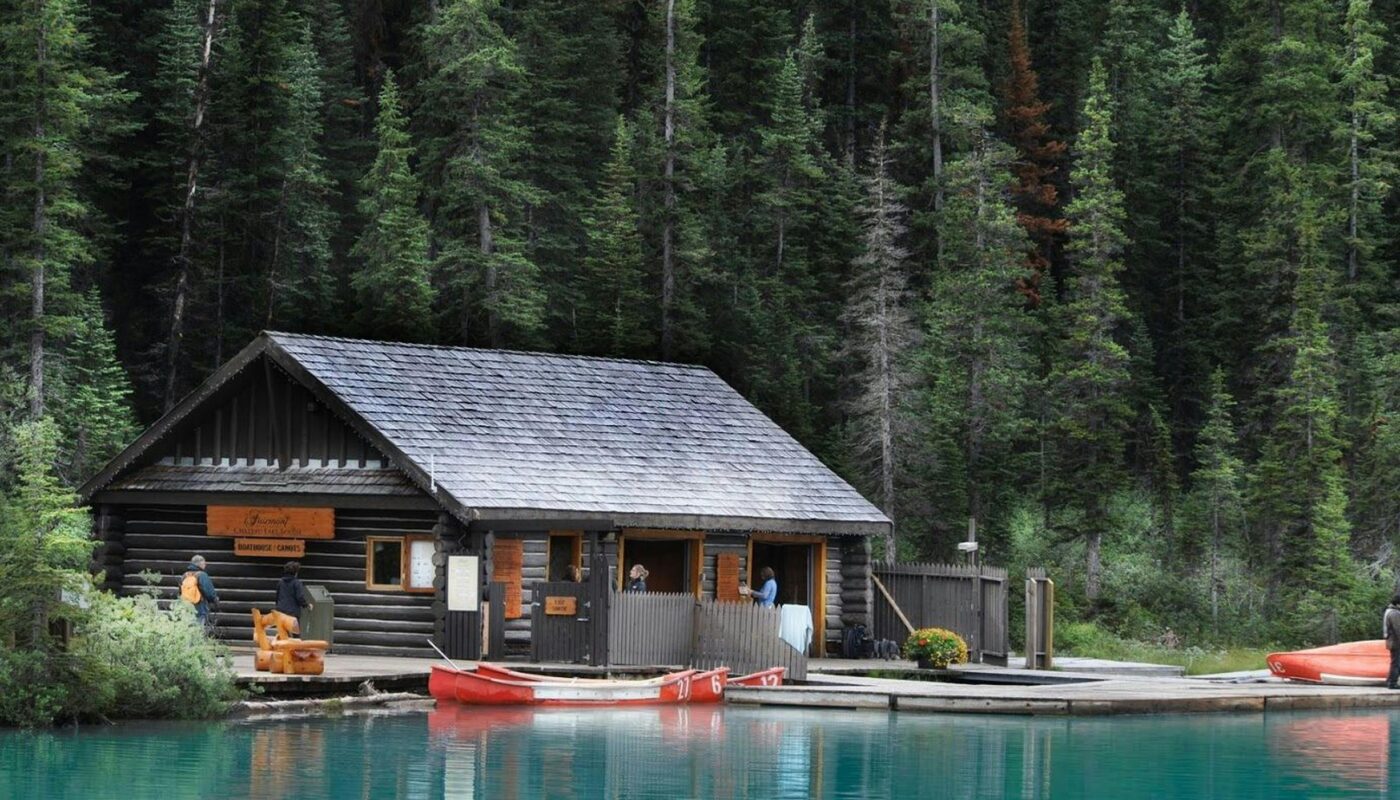
A cabin is typically a small structure located in natural surroundings such as forests, mountains, or lakesides. Most cabins are constructed from wood or other natural materials and are designed to blend harmoniously with the surrounding environment.
Unlike some other adventure accommodations, cabins often provide more privacy and convenience.
Typical Cabin Features
Cabins can vary widely in size and luxury, but many commonly include:
- Private or semi-private sleeping areas
- Indoor heating systems or fireplaces
- Basic kitchen facilities
- Electricity or solar power
- Bathrooms with running water
Some cabins are simple and rustic, while others resemble small vacation homes. Many national parks and wilderness areas offer rental cabins for travelers seeking a balance between comfort and outdoor adventure.
Ideal Travelers for Cabins
Cabins are especially appealing to:
- Families exploring nature together
- Couples seeking a peaceful retreat
- Travelers new to wilderness adventures
- Small groups on hiking or fishing trips
Because they provide a higher level of comfort, cabins are often the preferred choice for people who want to experience nature without giving up too many modern conveniences.
Mountain Huts: Social Centers for Outdoor Exploration
Mountain huts play a central role in many alpine travel traditions. These accommodations are commonly found along popular hiking routes or near climbing areas.
The Purpose of Mountain Huts
Mountain huts are designed to support hikers, trekkers, and climbers traveling through mountainous regions. They serve as rest stops where travelers can eat, sleep, and prepare for the next stage of their journey.
Unlike cabins, huts usually provide shared facilities, encouraging interaction between guests.
Facilities in Mountain Huts
Although facilities vary depending on location and management, most mountain huts include:
- Dormitory-style sleeping areas with bunk beds
- Communal dining spaces
- Shared washrooms or basic sanitation facilities
- Simple meals made in self-catering kitchens or by hut staff
Many huts are staffed during peak travel seasons and provide warm meals, snacks, and sometimes even hot drinks for weary travelers.
A Unique Community Experience
One of the most distinctive aspects of mountain huts is the social atmosphere they create. After a long day of hiking, guests often gather around communal tables to share meals and exchange stories about their adventures.
This environment encourages friendships between travelers from different countries and backgrounds, creating memorable social experiences alongside the physical adventure.
Networks of Huts
In many mountain regions, huts are part of organized networks that support long-distance trekking routes. These networks allow hikers to travel for days or even weeks while staying in huts each night instead of camping.
Such systems are particularly common in alpine areas where weather conditions can change rapidly and safe shelter is essential.
Alpine Shelters: Safety in the High Mountains
While cabins and huts often provide comfort and hospitality, alpine shelters serve a more practical purpose. These structures are built primarily to protect travelers from dangerous weather conditions.
What Is an Alpine Shelter?
An alpine shelter is a small building placed in high or remote mountain locations. These shelters are usually unstaffed and provide only the most basic facilities.
Their primary function is to offer emergency refuge for climbers, hikers, or mountaineers caught in sudden storms or extreme weather.
Basic Characteristics
Alpine shelters typically include:
- A small enclosed space for protection from wind and snow
- Wooden benches or platforms for resting or sleeping
- Limited storage space for emergency supplies
- Minimal or no heating systems
Because they are intended mainly for safety rather than comfort, alpine shelters are extremely simple.
Strategic Locations
Shelters are often placed in locations where weather conditions can become dangerous quickly. Examples include:
- High mountain passes
- Remote glacier routes
- Areas with frequent storms
- Isolated trekking trails
These structures can make the difference between safety and danger when conditions change unexpectedly.
Comparing Cabins, Huts, and Shelters
Although all three forms of lodging support outdoor travel, they differ significantly in comfort and purpose.
Cabins
Cabins provide the highest level of comfort among adventure accommodations. They often include private space, heating, and cooking facilities, making them suitable for extended stays.
Mountain Huts
Huts offer moderate comfort and emphasize shared experiences. They are ideal for hikers and climbers traveling through mountain routes who need reliable lodging between trail segments.
Alpine Shelters
Shelters are minimalistic structures designed primarily for safety. They are not meant for luxury or long stays but rather for temporary protection in harsh conditions.
Understanding these distinctions helps travelers select the accommodation that best suits their adventure style.
Benefits of Adventure Lodging
Adventure lodging provides several advantages that traditional accommodation cannot replicate.
Immersion in Natural Landscapes
Staying in wilderness lodging places travelers directly within nature. Instead of commuting from towns or cities, guests can begin their adventures immediately outside their door.
Access to Remote Regions
Many extraordinary landscapes are far from urban infrastructure. Cabins, huts, and shelters allow people to explore these remote environments safely.
Lighter Travel
For trekkers and climbers, huts and cabins reduce the need to carry heavy camping equipment such as tents and cooking gear.
Memorable Experiences
Adventure lodging often becomes one of the highlights of a trip. Whether watching sunrise from a mountain hut or enjoying a quiet evening in a forest cabin, these moments create lasting memories.
Preparing for an Adventure Stay
Travelers planning to stay in cabins, huts, or shelters should prepare differently than they would for a hotel stay.
Essential Items to Bring
Common items include:
- Sleeping liners or lightweight sleeping bags
- Headlamps or flashlights
- Warm clothing layers
- Personal toiletries
- Snacks or trail food
Preparation is especially important when visiting remote areas where supplies may not be available.
Reservations and Planning
Popular huts and cabins often require reservations during peak travel seasons. Planning ahead ensures a secure place to stay after a long day of outdoor activity.
Sustainability and the Future of Adventure Lodging
Many modern adventure lodgings are adopting environmentally friendly practices. Because they are located in fragile ecosystems, sustainable design is essential.
Common eco-friendly features include:
- Solar-powered electricity
- Rainwater collection systems
- Composting toilets
- Waste reduction programs
These innovations allow travelers to enjoy natural landscapes while minimizing environmental impact.
As interest in outdoor tourism continues to grow, sustainable adventure lodging will become increasingly important for protecting wilderness areas.
Conclusion
Adventure lodging offers travelers a unique way to experience nature while maintaining safety and comfort. Cabins provide cozy retreats for those seeking relaxation in natural settings. Mountain huts create welcoming hubs for hikers and climbers exploring alpine landscapes. Alpine shelters offer vital protection in remote and unpredictable environments.
Each type of accommodation plays an important role in supporting outdoor exploration. By choosing the right lodging option, travelers can enhance their adventures, connect with nature, and experience landscapes in ways that traditional hotels simply cannot provide.
For anyone passionate about exploring mountains, forests, and wilderness regions, staying in cabins, huts, or alpine shelters transforms travel into a deeper and more meaningful adventure.