 by
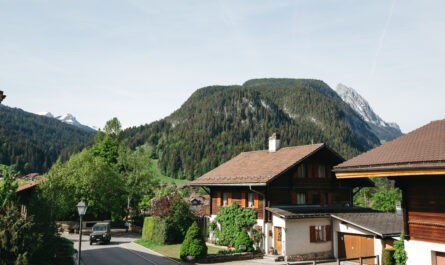
by Nestled in the lush valley of the Tyrolean Alps, Alpbach is often hailed as one of Austria’s most picturesque mountain villages. With its uniform wooden architecture and vibrant flower boxes, the village embodies traditional Alpine charm. In recent years, however, Alpbach has been evolving — not just in aesthetics, but in the way it welcomes visitors. Like many mountain destinations around the world, Alpbach is embracing green tourism, shifting the focus of accommodation from conventional hospitality to environmentally responsible and socially conscious experiences.
This transformation is driven by global awareness of climate change, local commitment to sustainability, and the economic benefits of catering to eco-minded travelers. From energy-efficient hotels and carbon-neutral guesthouses to farm stays and zero-waste eating options, green tourism is reshaping how visitors sleep, eat, and experience life in this Alpine community.
In this guide, we’ll explore what green tourism means in the context of Alpbach, how local accommodation providers are adapting, the benefits and challenges of sustainability initiatives, and how travelers can participate in and support these efforts.

What Is Green Tourism and Why It Matters in Alpbach
Green tourism — also known as ecotourism or sustainable tourism — refers to travel practices that prioritize environmental stewardship, cultural respect, and economic equity. In mountain regions like Alpbach, the natural environment is both a key attraction and a fragile asset. Rising global temperatures, pressure on water and waste systems, and seasonal tourism influxes have driven the need for more responsible tourism models.
Alpbach’s shift toward green tourism is rooted in several motivations:
Environmental Conservation
Preserving alpine meadows, forests, and water sources is vital to maintaining the scenic beauty that draws visitors.

Climate Change Resilience
The Alps are warming faster than the global average, affecting snow reliability, biodiversity, and traditional agriculture. Reducing emissions and promoting sustainable operations helps mitigate these impacts.
Economic Sustainability
Eco-friendly accommodations attract a growing segment of travelers willing to pay for responsible experiences, benefiting the local economy year-round.
Community Well-Being
Sustainable practices often improve the quality of life for residents — for example, through reduced pollution, improved local food systems, and community engagement.
With these drivers in place, Alpbach has seen an increasing number of accommodation providers adopting greener practices.
How Accommodation in Alpbach Is Becoming Greener
Sustainable accommodation doesn’t mean giving up comfort — it means reshaping how hospitality operates. In Alpbach, green tourism is influencing accommodations in several key areas:
1. Energy Efficiency and Renewable Power
Modern hotels and guesthouses in Alpbach are investing in energy-saving technologies:
- Insulation and thermal design: Proper insulation reduces energy needs for heating — a major consideration in alpine climates.
- LED lighting and smart controls: These technologies cut electricity use without compromising comfort.
- Renewable energy sources: Solar panels, district heating systems, and wood-chip boilers that use local biomass are replacing fossil fuels.
Many properties prominently display their energy certifications, letting guests see progress in real time.
2. Water Conservation Practices
Water is a precious resource in alpine environments. Sustainable accommodations in Alpbach focus on:
- Low-flow shower heads and dual-flush toilets to minimize usage.
- Greywater recycling systems for irrigation of gardens and green spaces.
- Guest education on conserving water during stays.
These practices reduce strain on local water supplies, particularly during peak tourist seasons.
3. Waste Reduction and Recycling
Alpbach’s accommodations are also raising the bar on waste management:
- Separation and recycling stations for paper, glass, plastic, and organic waste.
- Bulk dispensers for shampoo, soap, and cleaning products to avoid single-use plastics.
- Composting systems that divert food waste from landfills and support local gardens.
Some hotels even offer kitchen tours to show how food waste is minimized and transformed into compost on site.
4. Local and Organic Food Sourcing
Food has a profound impact on sustainability. Many Alpbach lodgings are shifting toward:
- Locally sourced ingredients from farms in the Alpbachtal region, reducing transportation emissions.
- Organic and seasonal menus that highlight Tyrolean specialties while supporting small producers.
- regional tastings and farm-to-table breakfasts that introduce visitors to the cuisine of the area.
This approach not only cuts carbon emissions but also fosters economic ties with community farms and artisans.
5. Eco-Friendly Construction and Renovation
Building in alpine areas presents unique challenges. Sustainable approaches include:
- Using timber and stone from local sources to reduce transport emissions and support traditional crafts.
- Green roofs that provide insulation and reduce stormwater runoff.
- Designs that blend with the landscape to honor Alpbach’s architectural heritage.
Quite often, these projects balance modern efficiency with respect for the region’s wooden chalet aesthetic.
6. Guest Engagement and Education
Sustainable accommodation doesn’t stop with behind-the-scenes operations. Many providers involve guests in their green missions through:
- Interactive info boards or apps explaining local ecosystems and sustainability efforts.
- Encouragement of low-impact behavior, such as reusing towels and reducing energy use.
- Optional contributions to local environmental projects, such as forest preservation or trail maintenance.
This creates a richer and more conscious travel experience.
Examples of Green Accommodation Approaches in Alpbach
Different properties are following varied green pathways depending on their size, location, and guest profile. Some examples of sustainability in action include:
🌿 Eco-Certified Hotels
Several hotels in and around Alpbach now carry eco-certifications that verify their energy, waste, and water efforts. These certifications often require:
- Annual energy audit reporting
- Renewable energy integration
- Strict waste diversion standards
Guests can choose accommodation based on these certifications to support responsible tourism.
🏡 Farm Stays and Agritourism
Farm stays offer an authentic alternative to traditional hotel experiences. These properties usually operate on small scales and emphasize:
- Local food production — breakfast from farm eggs, cheese, and bread
- Animal care and ecological farming
- Hands-on experiences such as milking cows or harvesting herbs
Not only do farm stays reduce food miles, but they also strengthen tourists’ connection to the land and rural culture.
🏔️ Mountain Chalets with Green Features
Many independent chalets now include:
- Solar hot water systems
- Geothermal heating
- High-efficiency wood stoves
- Recycling and compost facilities
Renting a chalet allows small groups to practice low-impact living together and often incorporate their own sustainability preferences.
🛏️ Boutique Guesthouses with Sustainability Programs
Smaller guesthouses often don’t have the budgets of large hotels, but some still embrace green tourism by:
- Offering local guides for nature awareness tours
- Partnering with nearby eco initiatives
- Providing bicycles for guests to reduce car use
These small touches contribute to a larger culture of sustainability.
The Benefits of Embracing Green Tourism
Green tourism doesn’t just protect the environment — it brings broader benefits to communities, visitors, and the local economy.
A. Enhancing the Visitor Experience
Sustainable travel encourages visitors to actively engage with their surroundings. When guests understand the landscape, traditions, and ecology, their experience feels more meaningful and long-lasting.
B. Supporting Local Economies
By sourcing food, materials, and services locally, green accommodations contribute directly to the economic well-being of Alpbach’s community. This support helps small farms, artisans, and families stay connected to their traditions and livelihoods.
C. Protecting Alpine Ecosystems
Alpine and subalpine environments are sensitive to disturbances — from trail erosion to resource depletion. By reducing waste, conserving water, and cutting emissions, green tourism helps protect fragile soil, plant life, and water resources.
D. Climate Action and Long-Term Viability
Sustainable accommodations reduce energy use and emissions, contributing to global climate goals. Alpbach’s shift toward green practices helps secure its long-term viability as a year-round destination, especially as climate patterns evolve.
Challenges in Implementing Green Tourism
Despite the benefits, transitioning to sustainable accommodation isn’t without challenges.
1. Upfront Costs
Energy-efficient upgrades, renewable installations, and eco-certifications require investment. Small businesses may struggle with these initial expenses even if long-term gains are likely.
2. Seasonality
Alpbach’s tourism peaks in winter and summer, with quieter shoulder seasons. Some green practices rely on year-round revenue to be financially feasible, so seasonal fluctuations can strain budgets.
3. Balancing Heritage with Innovation
Preserving Alpbach’s traditional wooden architecture while implementing modern green technologies can be delicate. Designers and builders must balance heritage values with efficiency goals.
4. Visitor Awareness
Not all tourists arrive knowing what green tourism entails. Accommodation providers often must educate guests on why certain practices — like towel reuse or limited housekeeping — are important.
How Travelers Can Support Alpbach’s Green Tourism
Eco-minded travelers play a key role in the success of green tourism. Visitors can contribute by:
- Choosing eco-certified accommodations
- Supporting local farms and markets
- Respecting trails, wildlife, and public spaces
- Using public transport, bikes, or e-mobility options
- Participating in conservation activities or local events
Simple decisions — like bringing a refillable water bottle or opting out of daily housekeeping — add up to meaningful impact.
Conclusion
Green tourism is not a trend — it’s a sustainable shift in how travelers and destinations relate to one another. In Alpbach, this evolution is reshaping accommodation from simple lodgings into spaces that respect nature, celebrate local culture, and nurture community well-being.
From energy-efficient hotels and farm stays to independent chalets with solar systems, Alpbach’s accommodation scene reflects a deeper commitment to responsible tourism. The benefits are clear: enriched visitor experiences, support for local economies, and protection of the mountain landscapes that make this region so beloved.
For travelers seeking both beauty and purpose, Alpbach’s green tourism transformation offers a model of how tourism can thrive in harmony with nature — without compromising comfort or character.