 by
by Nestled in the heart of the Tyrolean Alps of Austria, Alpbach is not only a haven for hikers and outdoor enthusiasts — it’s also a thriving habitat for a diverse range of wildlife. With its lush forests, alpine meadows, rushing streams, and rocky outcrops, the region supports an incredible array of animals across multiple ecosystems. Many of these creatures remain unseen, hidden by the vastness of the landscape. However, some are frequent (and welcome) sightings on the trails around Alpbach.
This guide introduces you to the animals you might encounter while exploring Alpbach’s trails — from majestic mammals to elusive birds, agile reptiles, curious insects, and more. Along the way, you’ll learn where and when you’re most likely to see them, how to observe them safely and ethically, and what keeps this alpine region so rich in biodiversity.
Understanding Alpbach’s Wildlife Habitat
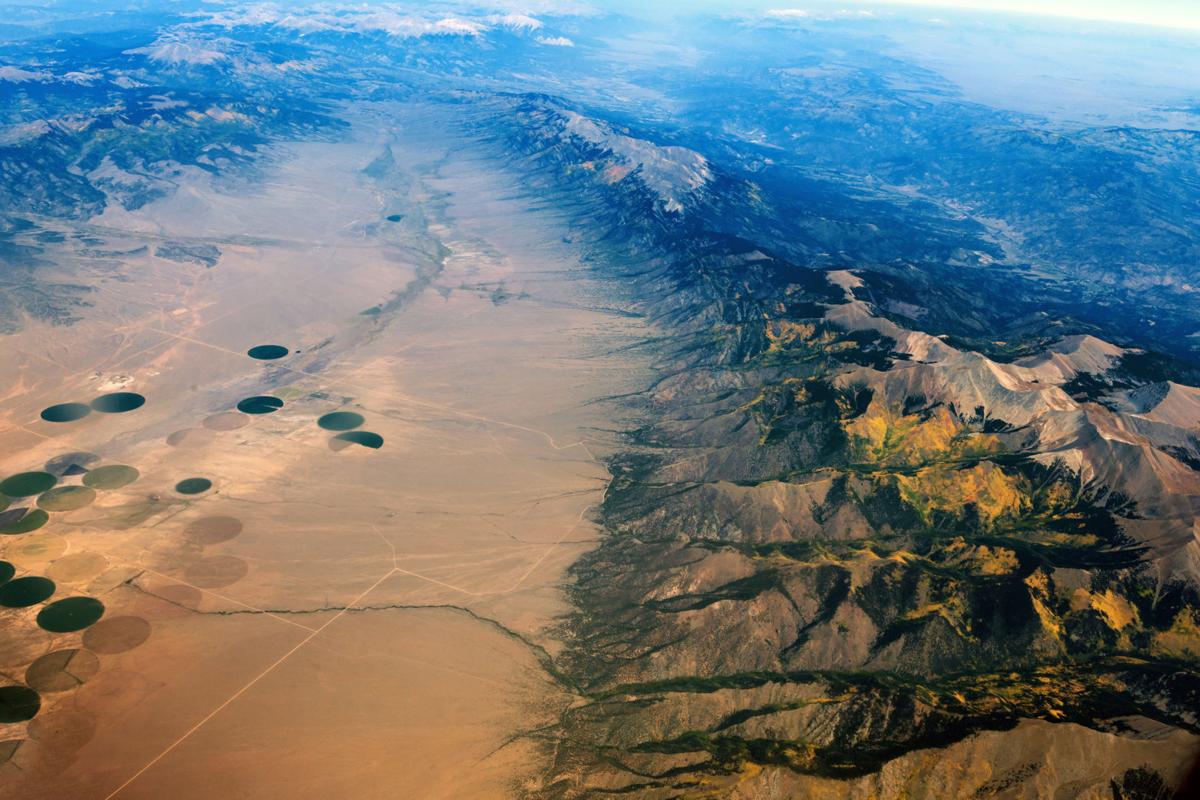
The Alpbach region is part of the Kitzbühel Alps — a mountainous landscape composed of forests, high pastures, rocky areas, and watercourses. Wildlife here has adapted to varying altitudes and seasonal changes, with many animals shifting their habitats as the weather changes.

Elevation zones influence what you might see:
- Lower forests (600–1,200 m): rich in trees, shrubs, and water sources — prime habitat for deer, foxes, and many birds.
- Mid-elevation meadows (1,200–1,800 m): home to grazing mammals and alpine songbirds.
- Alpine tundra (above 1,800 m): rugged terrain where hardy species like chamois, marmots, and eagles roam.
Trails in each zone offer opportunities to encounter different species, so knowing your surroundings can enhance your wildlife experience.
Mammals You Might Encounter
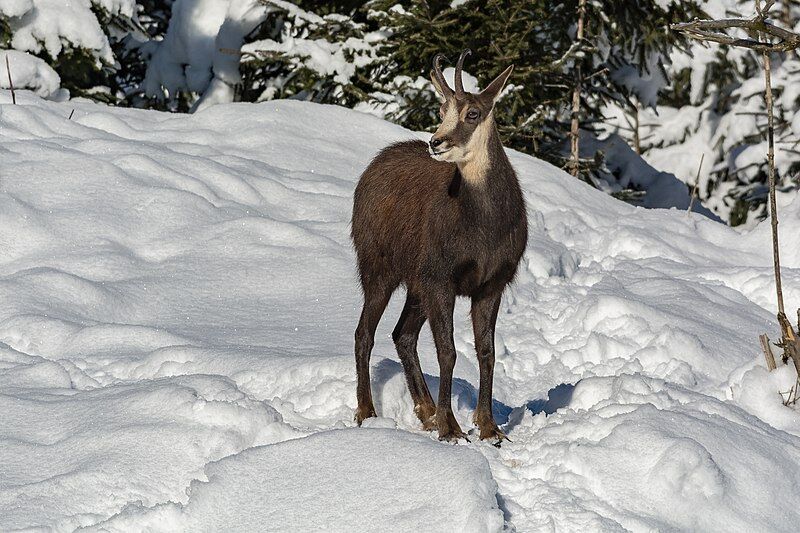
1. Chamois — The Mountain Goat of the Alps


4

Scientific name: Rupicapra rupicapra
Habitat: Steep rocky slopes and alpine ridges
Best Time to See: Early morning or late afternoon in late spring through early autumn
Chamois are among the most iconic alpine mammals. Agile and alert, they move with remarkable balance along steep, rocky terrain. Sightings are most common on higher elevation trails, especially where cliff ledges and mountain ridges offer both grazing and escape routes.
Behavior & Tips:
- You may spot them grazing on grass or perched on high rocks scanning the valley below.
- They are wary of humans — approach slowly and keep a respectful distance.
- Binoculars will help you spot them before you disturb them.
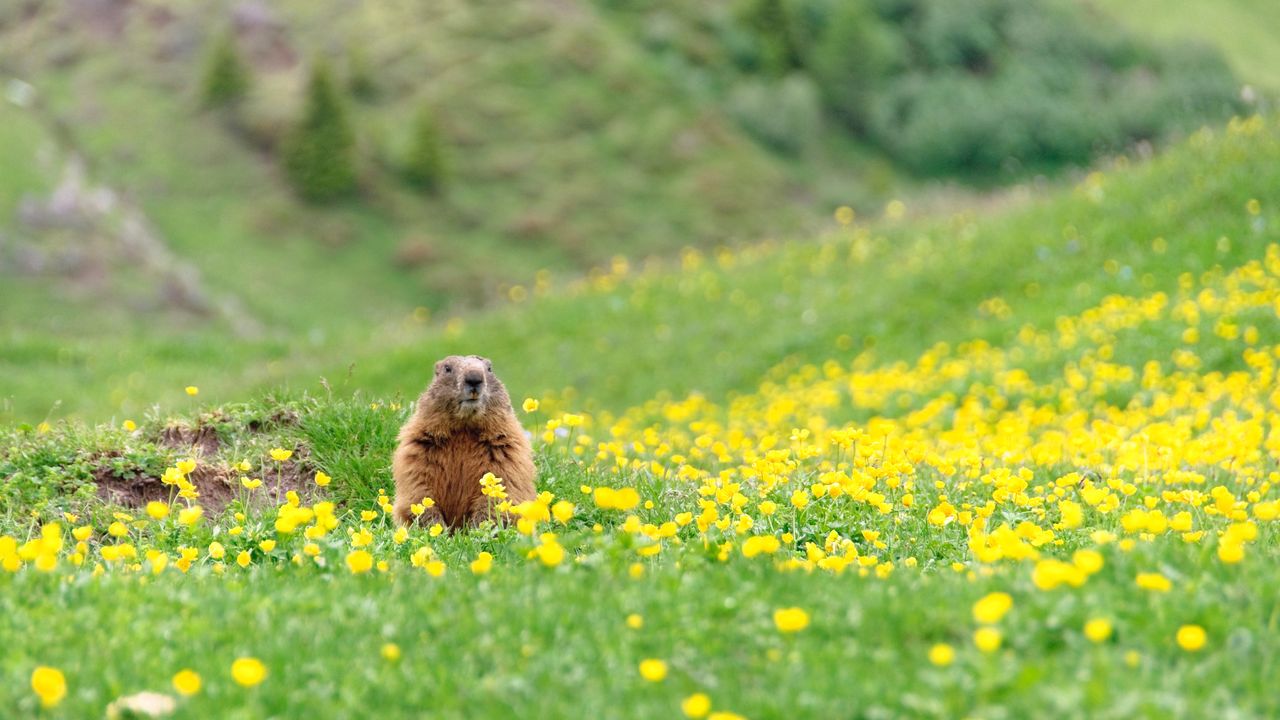
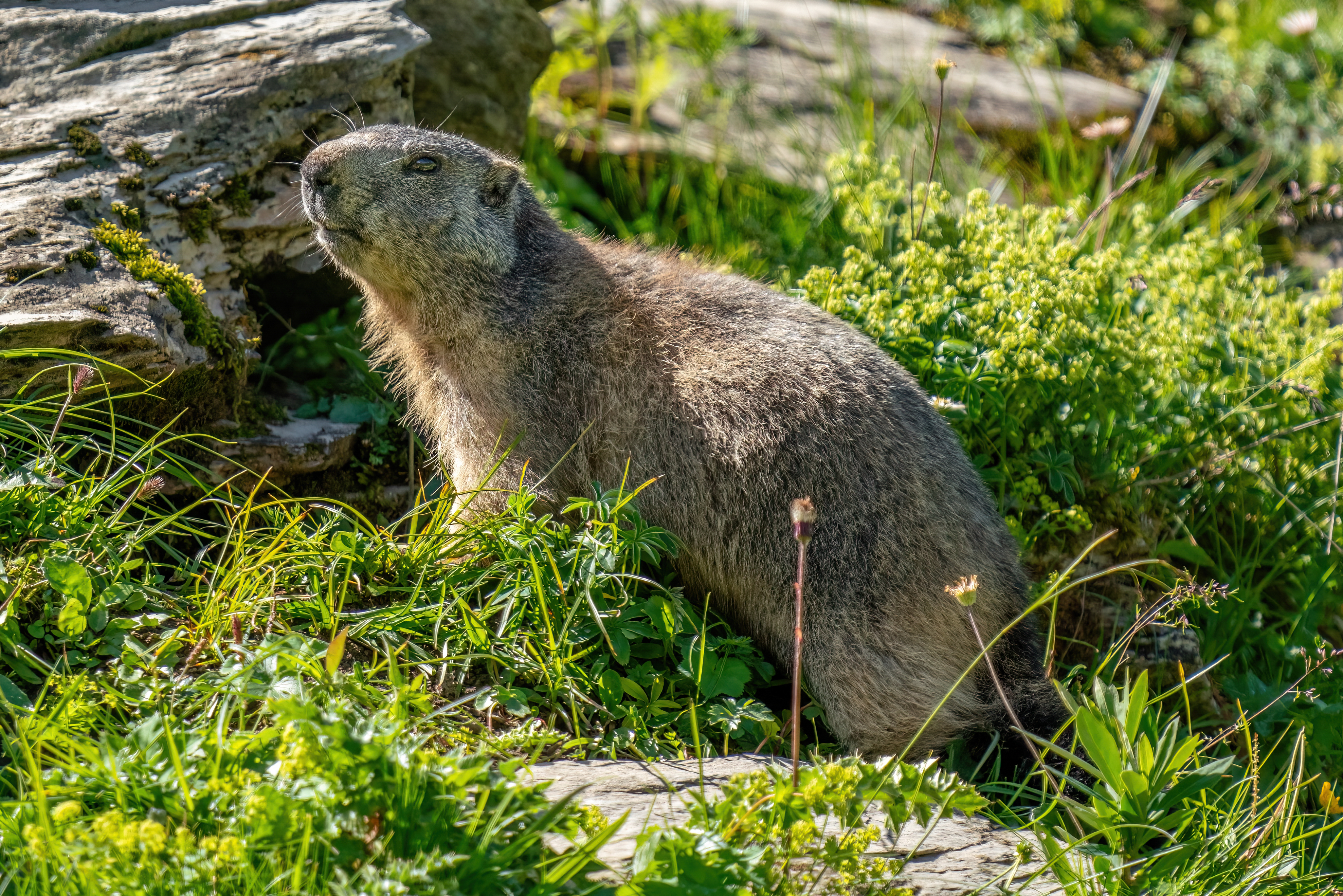
2. Alpine Marmot — The Whistler of the Mountains

4
Scientific name: Marmota marmota
Habitat: Alpine and subalpine meadows
Best Time to See: Summer months (June–September)
Alpine marmots are squat, furry rodents famous for their sharp whistles — a warning call that alerts others to danger. They live in extensive burrow systems and often bask in the sun on rocks or grassy knolls.
Behavior & Tips:
- Marmots are social and often seen in groups.
- Their whistling calls are common when hikers approach.
- Keep an eye on meadow edges and sunny clearings for sightings.
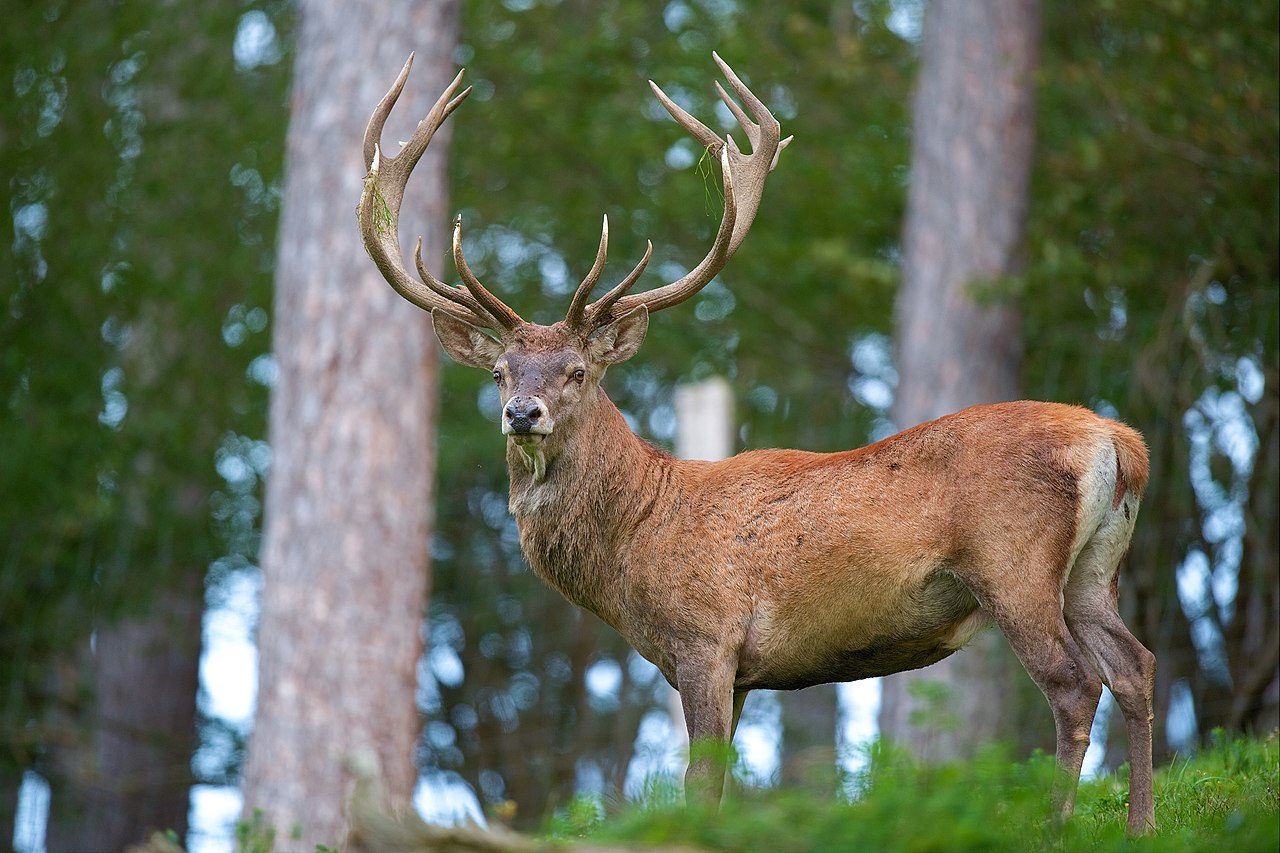
3. Red Deer — The Gentle Giant of the Forests


4
Scientific name: Cervus elaphus
Habitat: Lower forests and clearings
Best Time to See: Dawn and dusk; autumn rut season (September–October)
Red deer are among Europe’s largest land mammals. In Alpbach, they are most active around dawn and dusk, grazing on vegetation in lower forests and meadow edges. During the rutting season (autumn), male deer may be seen sparring or heard calling loudly.
Behavior & Tips:
- Maintain a respectful distance — especially during the rut when males can be unpredictable.
- Quiet observation increases your chances of sightings at forest edges.
4. Foxes — Stealthy Forest Wanderers


4
Scientific name: Vulpes vulpes
Habitat: Forest edges, meadows, and lower alpine slopes
Best Time to See: Early morning or twilight
Foxes are adaptable and curious residents of the region. While they tend to avoid humans, early morning and evening hikes may reward you with a fleeting sighting. They often appear near trails searching for small mammals, insects, or berries.
Behavior & Tips:
- Keep your distance and never attempt to feed or approach closely.
- Slow, quiet movement increases your chance of observing them unobtrusively.
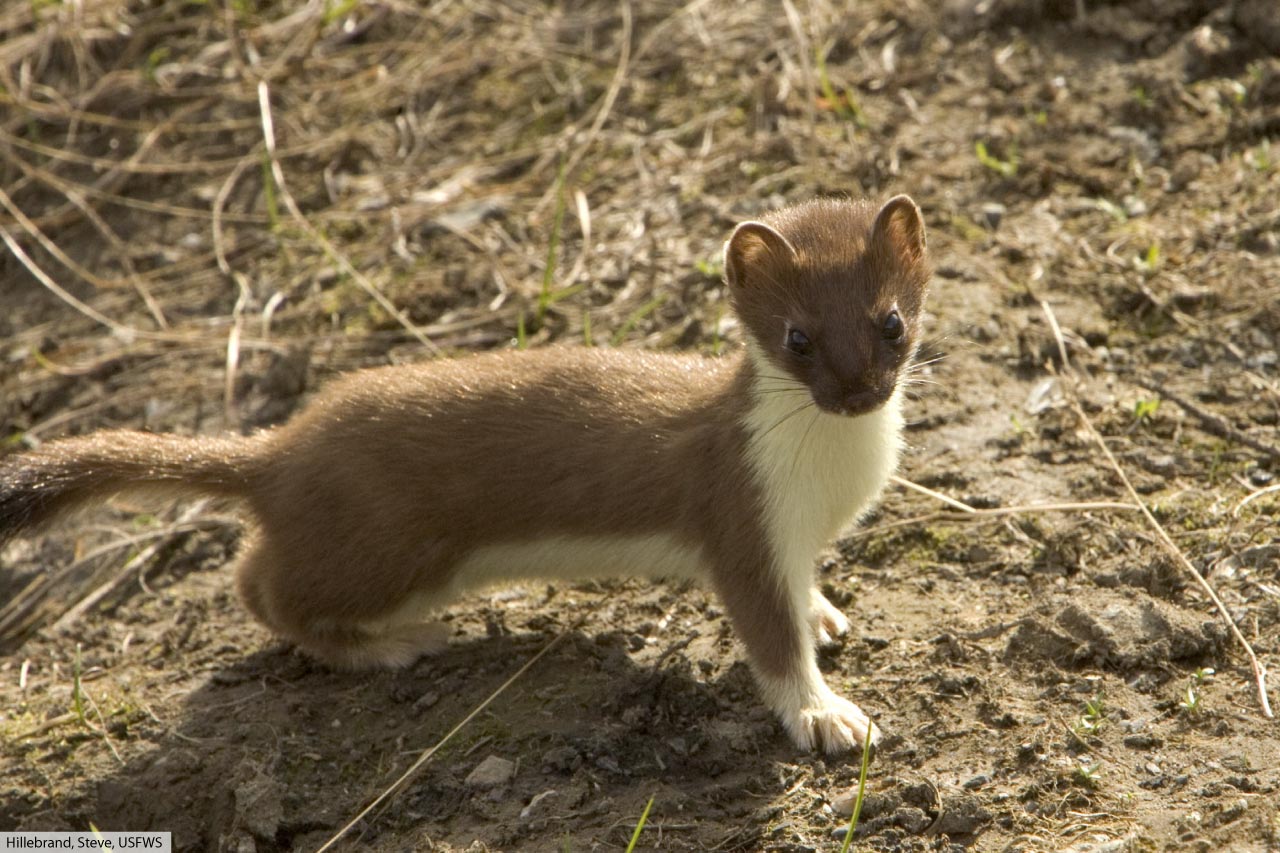
5. Stoats and Weasels — Small but Sleek Predators


4
Scientific name: Mustela erminea (stoat), Mustela nivalis (weasel)
Habitat: Forest edges, snowfields, and grasslands
Best Time to See: Warmer months; stoats in winter may turn white
Stoats and weasels are small predators — quick, sleek, and often briefly spotted before darting back into cover. Look for movement near rock piles or meadow edges where they hunt rodents.
Behavior & Tips:
- These animals are fast and shy; slow observation increases your chances.
- Don’t be discouraged if you miss them — stoats often come and go in seconds.
Birdlife Along Alpbach’s Trails
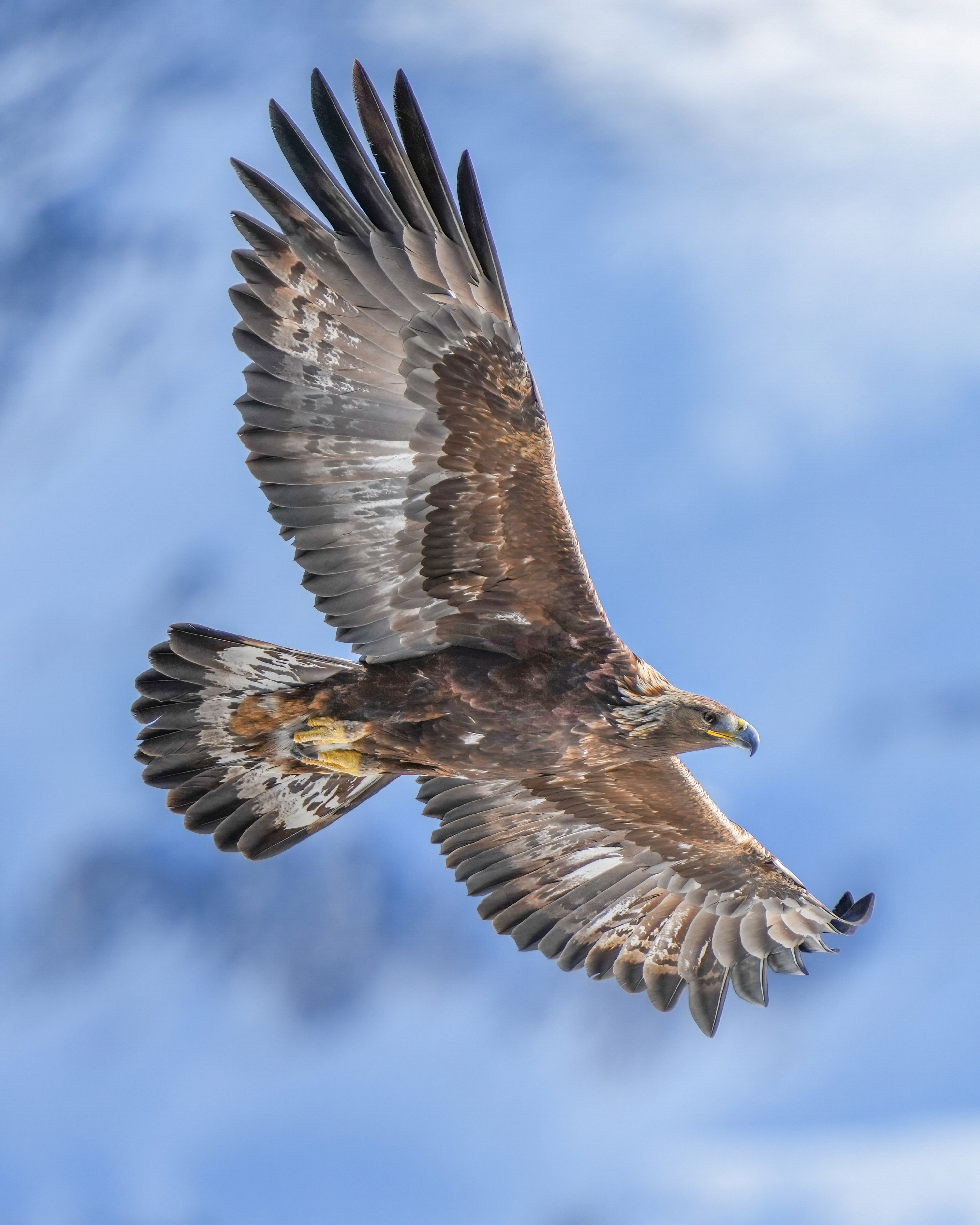
1. Golden Eagle — The Alpine Sky Sovereign

4
Scientific name: Aquila chrysaetos
Habitat: High mountains and cliffs
Best Time to See: Year-round; most active in clear weather
The majestic golden eagle is a flagship predator of alpine skies. Its imposing wingspan and soaring flight make it a thrilling sight, particularly above steep valleys or ridges.
Behavior & Tips:
- Scan thermal uplift areas (sunlit slopes) where eagles ride air currents.
- Binoculars are essential — eagles often fly high above.
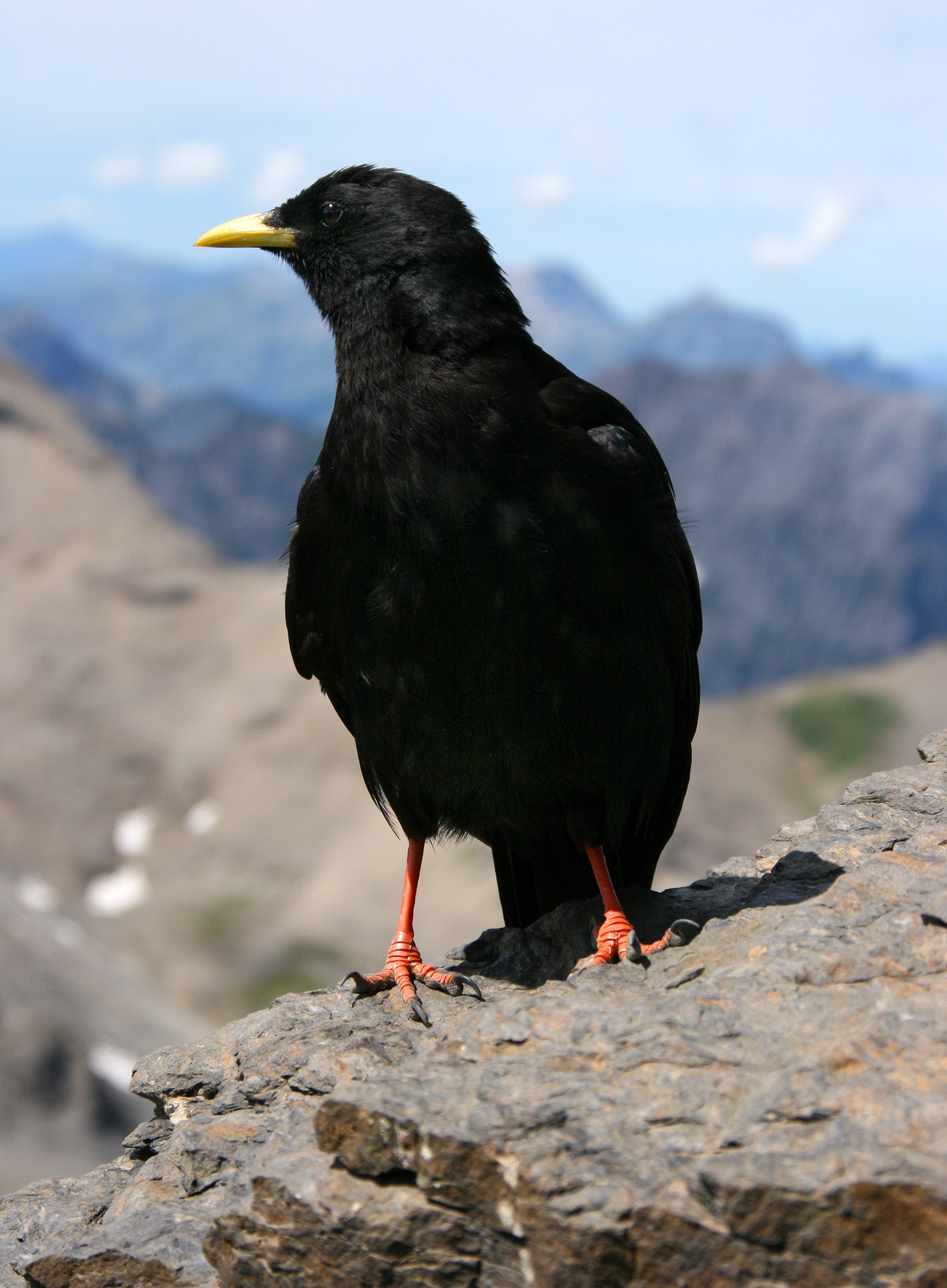
2. Alpine Chough — Acrobat of the Heights

4
Scientific name: Pyrrhocorax graculus
Habitat: High peaks and rocky outcrops
Best Time to See: Spring through autumn
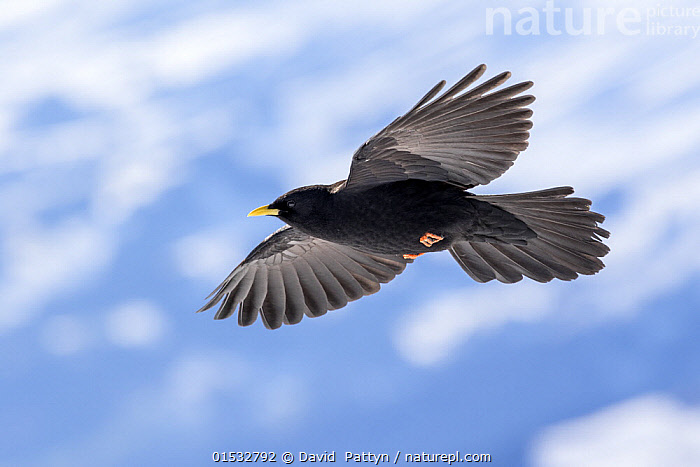
With sleek black feathers and bright yellow beaks, Alpine choughs are charismatic birds often seen performing aerial acrobatics around peaks and ridges. They are curious and bold — sometimes approaching hikers.
Behavior & Tips:
- Look for flocks near trailheads and high ridges.
- Choughs often scavenge crumbs, so keep food sealed.
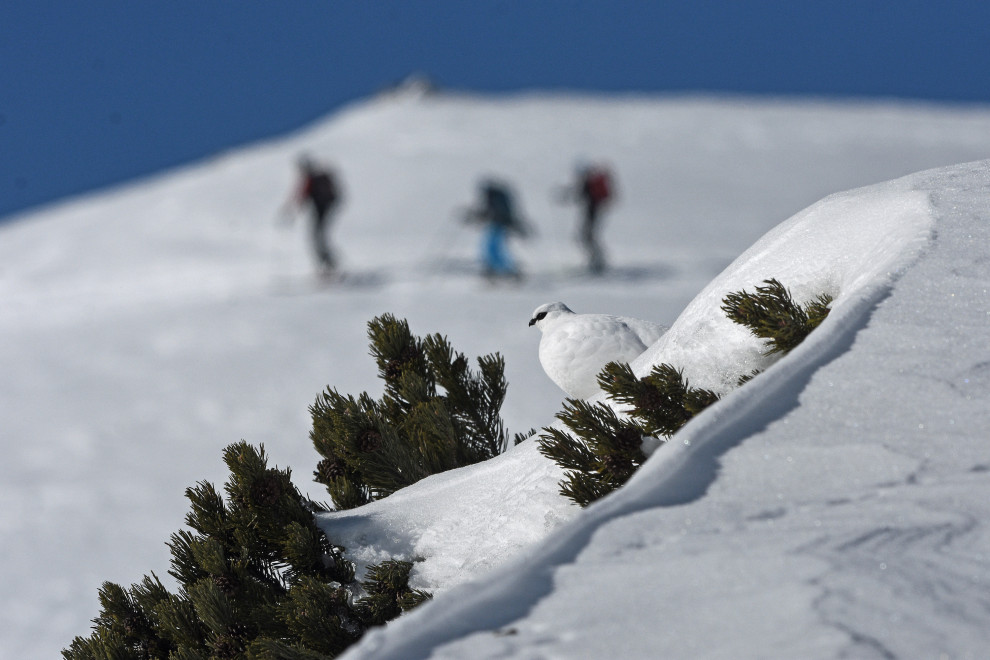
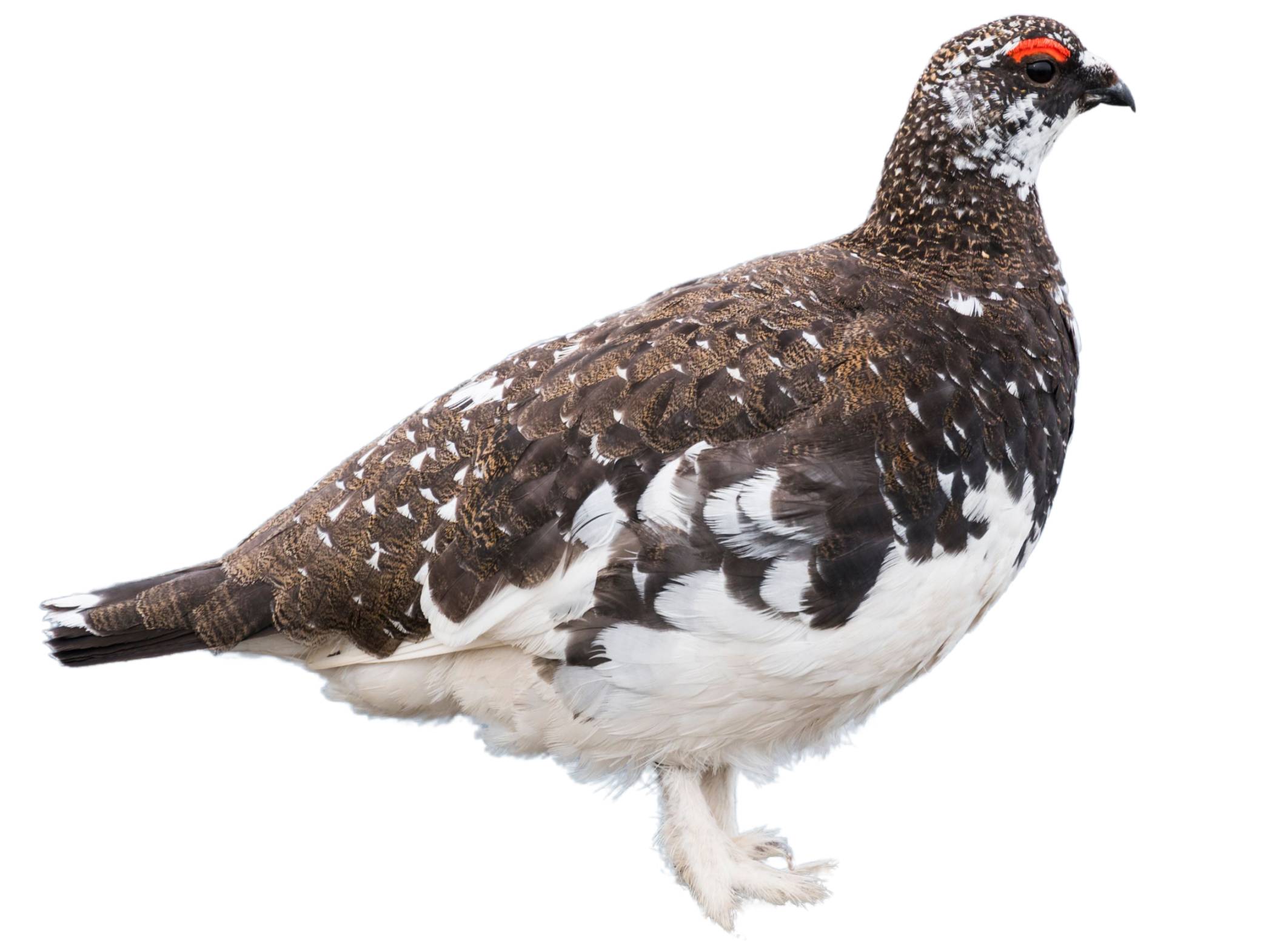
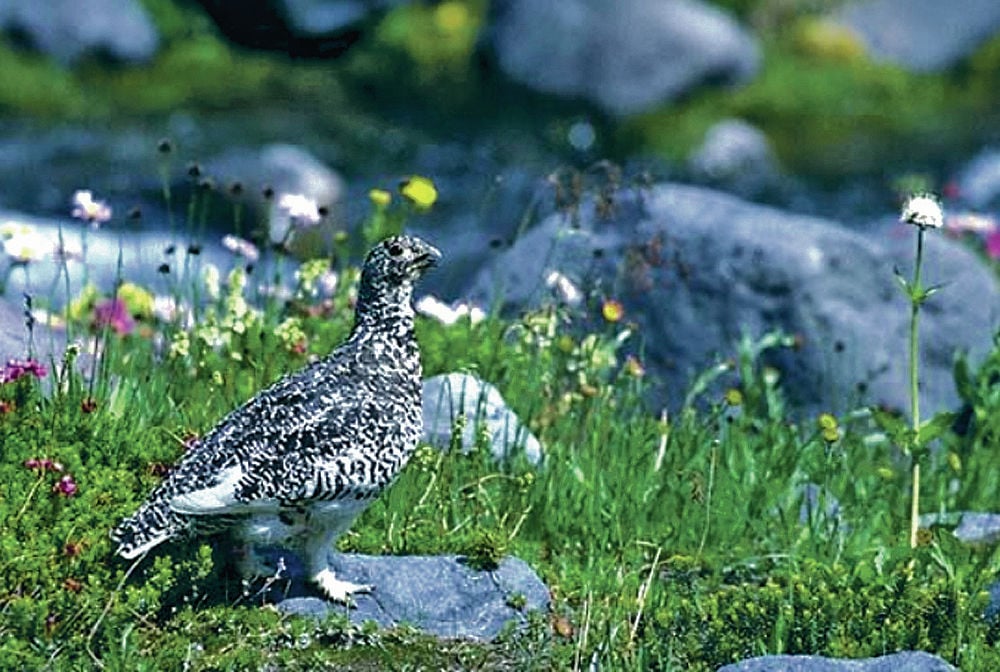
3. Rock Ptarmigan — Master of Camouflage
4
Scientific name: Lagopus muta
Habitat: Alpine tundra and rocky slopes
Best Time to See: Spring and summer
The rock ptarmigan is a bird built for alpine life, with seasonal plumage that blends into snow or rocky terrain. Spotting one is a real treat, as its camouflage is excellent.
Behavior & Tips:
- Move slowly and listen for soft calls.
- Early morning hikes improve chances of sighting.
4. Black Grouse — Forest Edge Dancer


4
Scientific name: Tetrao tetrix
Habitat: Forest edges and open glades
Best Time to See: Dawn and dusk, particularly in spring
Black grouse are known for their intriguing mating displays (lekking), where males fan tails and strut to attract females. Observing a lek can be one of the most memorable wildlife encounters in Alpbach.
Behavior & Tips:
- Keep a respectful distance — use binoculars for viewing.
- Dawn and dusk are best for activity.
Reptiles, Amphibians & Smaller Creatures
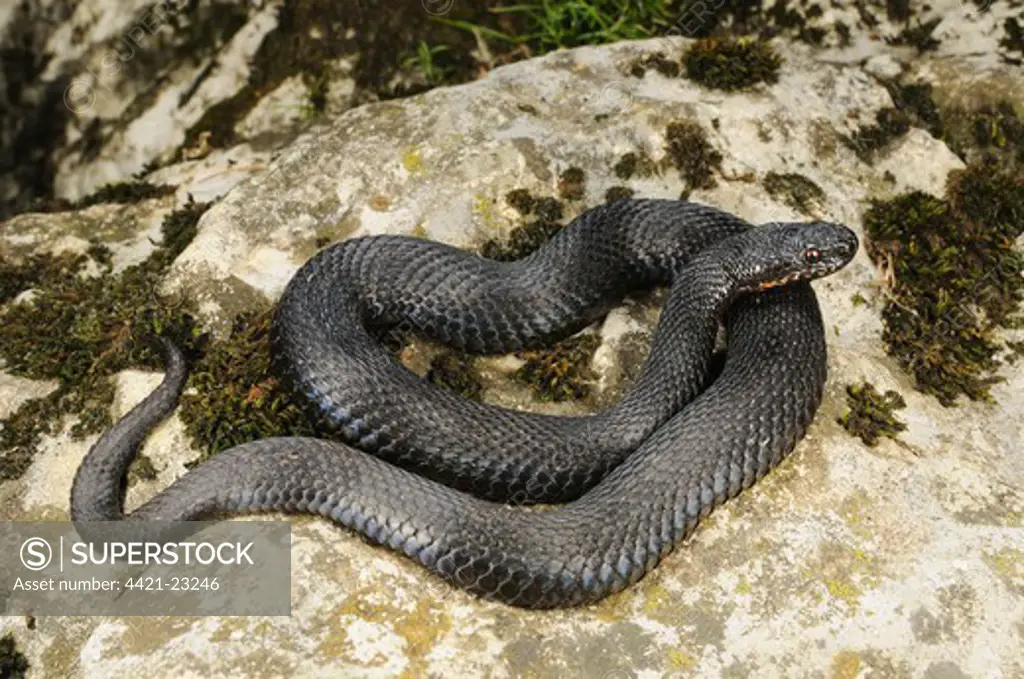
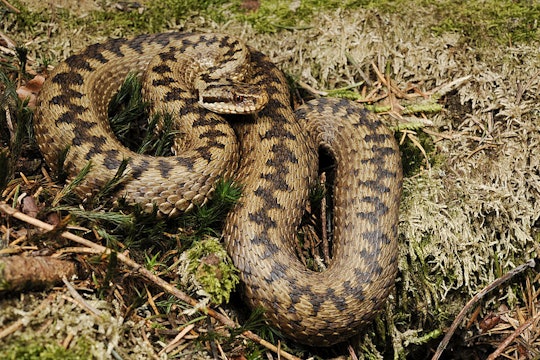
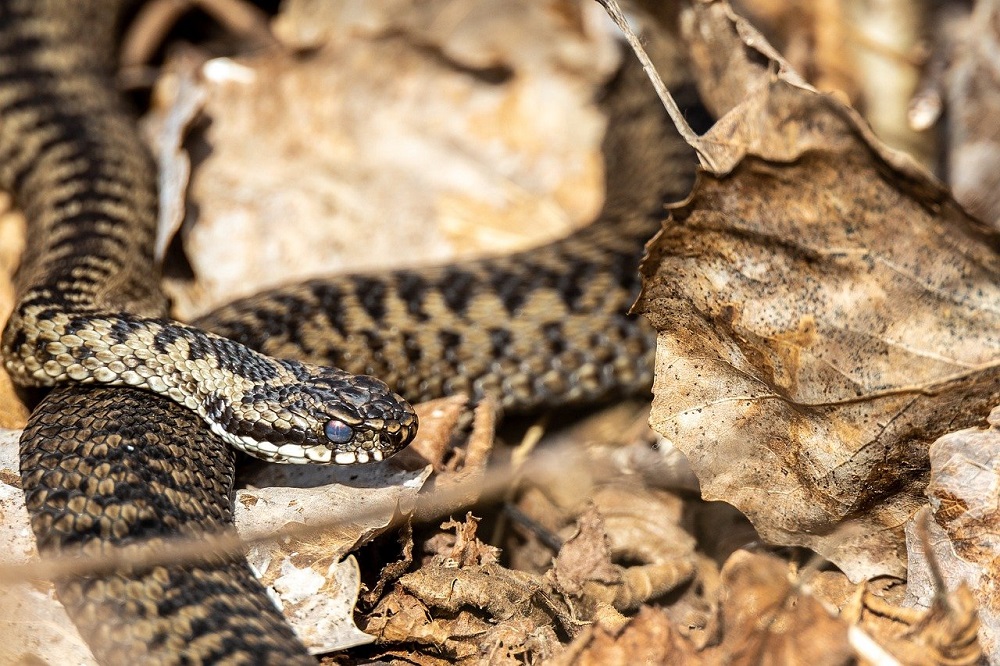
Common European Adder — The Viper of the Alps
4
Scientific name: Vipera berus
Habitat: Heathland and forest clearings
Best Time to See: Summer
This snake is shy and prefers to avoid humans, but hikers occasionally spot it basking on sunlit rocks. It’s venomous but not aggressive — bites are rare and usually result from accidental contact.
Safety Tips:
- Watch where you place your hands and feet.
- If you see one, give it space and observe from a distance.
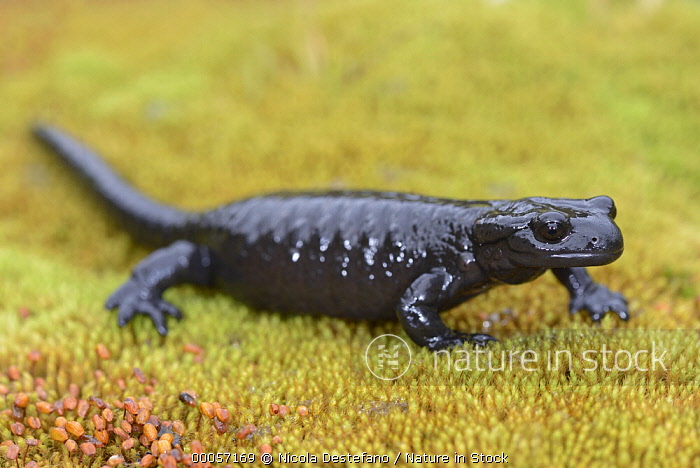
Alpine Salamanders & Frogs
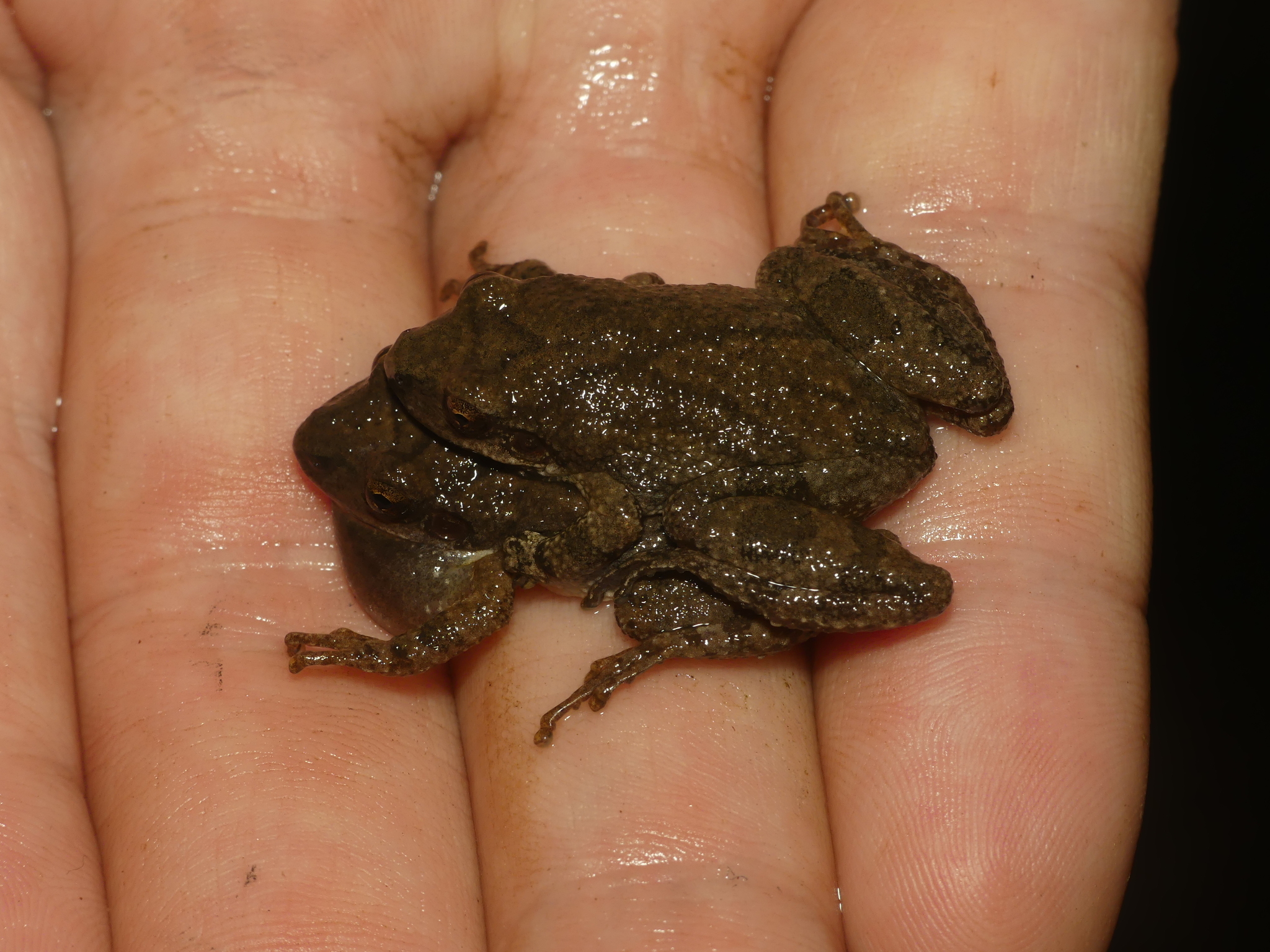
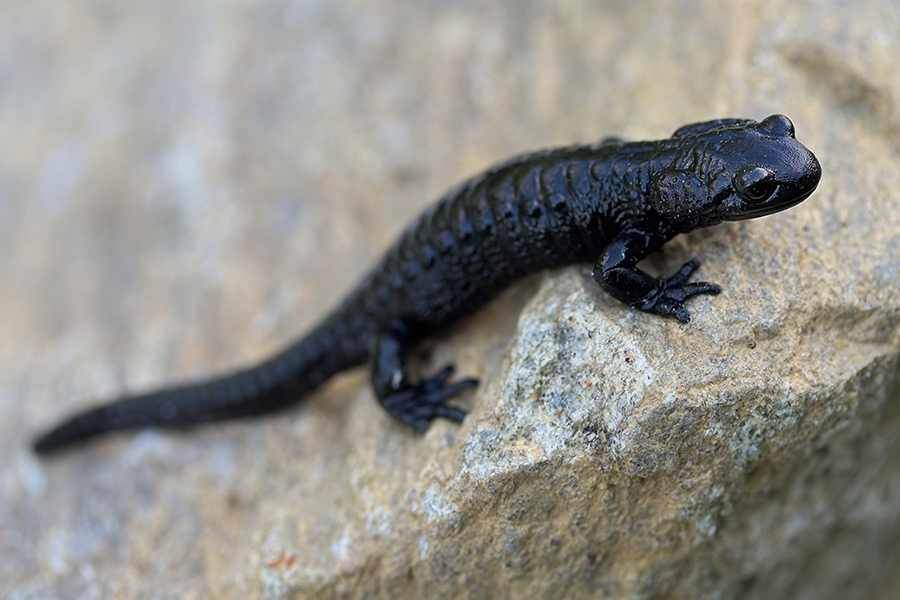
4
A variety of amphibians, such as alpine salamanders and forest frogs, live near streams and damp forest floors. They’re small and secretive but contribute significantly to the local ecosystem.
Observation Tips:
- Check near water sources after rain—amphibians are more active then.
- Move slowly to avoid startling them.
Invertebrates & Butterflies
Insects add color and movement to alpine trails. Species such as Apollo butterflies, dragonflies, and beetles thrive during summer:
- Apollo Butterfly: A large, slow-flight butterfly often seen near wildflower meadows.
- Dragonflies: Active around streams and ponds.
- Mountain Beetles: Various species crawl among rocks and logs.
These smaller creatures play vital roles in pollination and the food web.
Tips for Ethical Wildlife Observation
Seeing animals on the trail is a privilege. Respect for wildlife ensures these encounters remain safe and sustainable:
1. Keep Distance
Avoid approaching too closely — especially during breeding or feeding.
2. Stay on Trails
Off-trail movement can disrupt habitat and nesting areas.
3. Keep Pets Leashed
Unsupervised dogs can scare or harm wildlife.
4. Don’t Feed Animals
Human food can be harmful, and feeding alters natural behavior.
5. Use Binoculars & Cameras Respectfully
Capture memories without interfering with animal routines.
What to Do If You Encounter Wildlife
Calm and Steady
Sudden movements can startle animals. Stand still and observe quietly.
Slow Back Away (If Necessary)
If an animal feels threatened, give it space and retreat slowly.
Respect Nesting Areas
Birds defending nests may act aggressively — give them wide berth.
Know Bear Safety (If Applicable)
Though rare in Alpbach, bears or large predators in nearby regions require special precautions: make noise while hiking, keep food sealed, and carry bear spray where allowed.
Best Times to Spot Wildlife
| Season | Wildlife Highlights |
|---|---|
| Spring | Marmots emerging, bird migrations, newborn deer |
| Summer | Alpine songbirds, chamois, butterflies |
| Autumn | Rutting deer, increased mammal activity |
| Winter | Tracks in snow, limited sightings but visible prints |
Most sightings occur during dawn and dusk, when animals are most active.
Conclusion: Nature’s Rich Tapestry on Alpbach’s Trails
Exploring Alpbach’s trails offers far more than scenic views and fresh air — it’s a journey into a thriving ecosystem where diverse wildlife lives, feeds, and interacts. From the elegant chamois scaling cliffs to tiny amphibians and colorful butterflies, each trail holds the potential for discovery.
Wildlife encounters can enrich your hiking experience immeasurably, creating memories that connect you to the land in meaningful ways. By observing ethically and respecting nature’s rhythms, you’ll ensure that these animals continue to thrive for generations of hikers to come.
Whether you’re a first-time visitor or a seasoned mountain lover, stay curious, stay observant, and let Alpbach’s wildlife surprise you at every turn.