 by
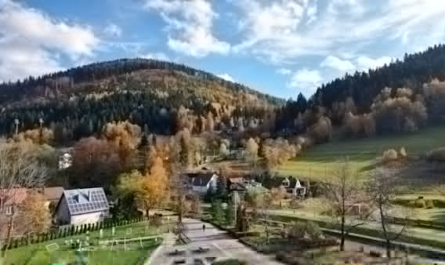
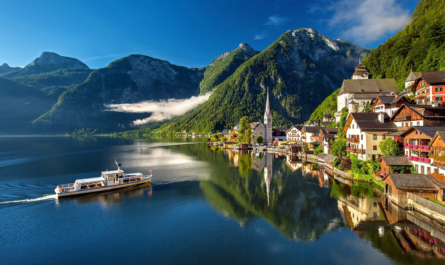
by Nestled in the heart of the Austrian Tyrol, Alpbach is widely admired for its charming wooden chalets, flower-filled balconies, and breathtaking Alpine scenery. Often described as one of Austria’s most beautiful villages, Alpbach attracts travelers seeking peaceful mountain landscapes, traditional culture, and authentic village life. Yet beyond its picturesque appearance lies a community deeply connected to long-standing customs, social values, and regional traditions.
For visitors, understanding local etiquette can greatly enrich the experience of staying in Alpbach. While Austria is generally welcoming and easy for international travelers to navigate, Alpine villages such as Alpbach still maintain cultural habits and social expectations that reflect centuries of mountain life. Respecting these customs helps visitors connect more naturally with locals while avoiding misunderstandings that sometimes arise from cultural differences.
Unlike crowded urban destinations where anonymity is common, Alpbach remains a close-knit community where politeness, consideration, and traditional values continue to shape everyday interactions. Travelers who take time to understand these customs often discover a warmer, more meaningful side of village life that goes far beyond sightseeing.
This guide explores the most common customs, etiquette practices, and cultural expectations visitors should know before traveling to Alpbach.
The Importance of Greeting People Properly
One of the first things visitors notice in Alpbach is how common greetings are in daily life.
In many large cities, strangers often pass each other silently. In Alpine villages, however, acknowledging people is considered polite and respectful. Whether hiking through mountain trails, entering a small shop, or walking through the village, greeting others is part of the local social culture.
Common greetings include:
- “Grüß Gott” — a traditional Austrian greeting meaning “God greet you”
- “Hallo” — informal hello
- “Guten Morgen” — good morning
- “Guten Tag” — good day
Even if visitors do not speak German fluently, attempting a simple greeting is usually appreciated.
On hiking trails, it is especially customary to greet fellow hikers when passing. Ignoring people entirely may appear cold or unfriendly in smaller communities like Alpbach.
Respect for Quietness and Peaceful Living
Alpbach is known for its calm atmosphere. Residents generally value peace, privacy, and quiet surroundings.
Unlike busy nightlife destinations, the village lifestyle tends to be slower and more relaxed. Loud behavior, excessive noise late at night, or disruptive conduct in public spaces is usually frowned upon.
Visitors should be especially mindful about:
- Loud conversations late in the evening
- Playing music in quiet outdoor areas
- Disturbing residential neighborhoods
- Shouting on hiking trails
- Noise in hotels or guesthouses during nighttime hours
Many Alpine communities place strong importance on maintaining peaceful environments for both residents and visitors.
This quiet atmosphere is part of what makes Alpbach appealing in the first place.
Punctuality Matters
Austria places high value on punctuality, and this cultural habit extends to Alpbach as well.
Whether joining a guided tour, attending a dinner reservation, or participating in a local activity, arriving on time is considered respectful.
In social settings, being excessively late without explanation may be viewed as inconsiderate.
Transportation schedules such as buses and trains also generally operate with strong punctuality standards. Travelers should avoid assuming delays are common.
Being prepared and arriving slightly early is often appreciated.
Respecting Traditional Architecture and Property
One of Alpbach’s defining features is its beautifully preserved Tyrolean architecture. Wooden homes, flower balconies, and traditional farmhouses create the village’s famous appearance.
Visitors should remember that many of these buildings are private homes, not tourist attractions.
Common etiquette includes:
- Avoiding entering private property without permission
- Not picking flowers from balconies or gardens
- Respecting fences and farm boundaries
- Asking before photographing people or private homes closely
While photography is welcome throughout the village, locals generally appreciate respectful behavior regarding personal property.
The careful preservation of architecture reflects deep community pride and cultural identity.
Dining Etiquette in Alpbach
Traditional Austrian dining culture includes several customs visitors may encounter in Alpbach’s restaurants, inns, and cafés.
Greeting Staff Upon Entering
In smaller restaurants or guesthouses, it is polite to greet staff when entering rather than silently seating yourself immediately.
Table Manners
Good table manners are valued. Common practices include:
- Keeping hands visible above the table
- Waiting until everyone is served before eating
- Saying “Guten Appetit” before meals
- Avoiding loud phone use during meals
Tipping Culture
Tipping in Austria is appreciated but generally more moderate than in some other countries.
Many locals round up the bill or leave approximately 5–10% for good service.
Rather than leaving cash on the table silently, it is common to tell the server the total amount you wish to pay including the tip.
Taking Time During Meals
Dining in Alpbach is often relaxed rather than rushed. Meals are considered social experiences, especially in traditional inns and mountain restaurants.
Hiking Etiquette in the Alps
Hiking is an important part of life in Alpbach, and mountain etiquette is taken seriously.
The surrounding Alpine trails are shared by hikers, farmers, cyclists, and wildlife. Respectful behavior helps preserve both safety and environmental quality.
Stay on Marked Trails
Wandering off designated paths can damage fragile Alpine vegetation and disturb grazing areas.
Respect Livestock
Cows often graze freely in mountain pastures during summer. Visitors should:
- Keep distance from animals
- Avoid feeding livestock
- Close gates after passing through
- Keep dogs under control
Carry Out Trash
Littering is considered highly disrespectful in natural areas. Visitors are expected to take all waste back with them.
Yielding on Trails
Mountain etiquette often encourages hikers moving uphill to have priority because climbing requires greater effort.
Respect Nature’s Quietness
Many visitors come to the Alps for peace and solitude. Loud music or shouting on trails may disturb both people and wildlife.
Understanding the Local Pace of Life
Life in Alpbach generally moves at a slower pace compared to large cities.
Shops may close earlier than expected, especially outside peak tourist seasons. Sundays are often particularly quiet, with many businesses closed.
Rather than viewing this as inconvenient, many locals see it as part of maintaining work-life balance and community well-being.
Visitors who embrace the slower rhythm often enjoy the village more fully.
This pace encourages:
- Relaxation
- Outdoor experiences
- Social connection
- Appreciation for nature
- Less hurried travel
Trying to rush constantly through activities may feel out of place in the village atmosphere.
Respect for Religious Traditions
Catholic traditions remain important in many Tyrolean communities, including Alpbach.
Visitors may notice:
- Church bells throughout the day
- Religious festivals
- Roadside crosses
- Traditional ceremonies
- Holiday processions
Even travelers who are not religious are generally expected to show respectful behavior during religious events or when visiting churches.
Appropriate conduct includes:
- Speaking quietly inside churches
- Dressing modestly when entering religious spaces
- Avoiding disruptive photography during services
Religious traditions are often closely connected to local cultural identity rather than only formal worship.
Seasonal Customs and Celebrations
Throughout the year, Alpbach hosts seasonal traditions deeply connected to Alpine heritage.
Almabtrieb (Cattle Drive)
In autumn, decorated cows return from mountain pastures to the valleys. These celebrations include music, food, and traditional dress.
Visitors are welcome to enjoy these events respectfully while remembering they remain genuine cultural traditions rather than staged performances.
Christmas Traditions
Winter brings Christmas markets, Advent events, and festive church celebrations that emphasize family and community.
Traditional Clothing
During festivals, locals may wear traditional Tyrolean clothing such as dirndls and lederhosen.
Tourists are generally welcome to wear traditional attire respectfully, though authenticity and moderation are appreciated more than costume-like exaggeration.
Environmental Awareness and Sustainability
Alpbach residents tend to place strong emphasis on environmental responsibility.
Visitors can support this culture by:
- Recycling properly
- Conserving water
- Using public transportation when possible
- Respecting protected natural areas
- Avoiding unnecessary waste
Mountain ecosystems are sensitive, and local communities work hard to preserve the surrounding landscape.
Sustainable tourism is increasingly important in Alpine regions facing environmental pressure and climate change.
Sauna and Wellness Etiquette
Austria has a strong wellness culture, and many hotels in Alpbach offer spa and sauna facilities.
Visitors unfamiliar with Central European spa customs should know that:
- Some sauna areas may be mixed-gender
- Nudity in saunas is often normal
- Quiet behavior is expected
- Showering before entering is important
Rules vary between hotels, so reading posted guidelines carefully is recommended.
Respecting Local Identity
One important aspect of etiquette in Alpbach is understanding that the village is not simply a tourist attraction. It is a living community where people work, raise families, maintain traditions, and preserve cultural heritage.
Visitors who show genuine curiosity and respect toward local culture are usually welcomed warmly.
Simple actions make a difference:
- Learning basic German phrases
- Supporting local businesses
- Being patient and polite
- Respecting traditions
- Showing appreciation for local customs
Authentic cultural exchange often happens through small respectful interactions.
Photography Etiquette
Alpbach is highly photogenic, but respectful photography remains important.
Visitors should avoid:
- Blocking pathways for photos
- Trespassing onto private land
- Photographing residents without permission
- Disturbing religious events or ceremonies
Drone photography may also face restrictions in certain Alpine areas due to wildlife protection or privacy concerns.
Responsible photography helps maintain positive relationships between tourism and local life.
Why Etiquette Matters in Small Alpine Communities
In large tourism-heavy cities, visitors may feel anonymous. Alpbach is different because community life remains highly personal and interconnected.
Respectful behavior matters more visibly in smaller villages where residents encounter tourists daily.
Good etiquette helps:
- Preserve local culture
- Support sustainable tourism
- Create positive interactions
- Protect village atmosphere
- Strengthen mutual respect
Travelers who adapt thoughtfully to local customs often enjoy richer experiences and stronger human connections during their stay.
Common Mistakes Visitors Should Avoid
Some behaviors that may unintentionally appear disrespectful include:
- Speaking loudly in quiet areas
- Ignoring greetings
- Treating traditions as entertainment only
- Leaving litter on trails
- Trespassing onto farms
- Being impatient with slower service
- Assuming every local speaks fluent English
Most misunderstandings are minor and easily avoided through awareness and politeness.
The Value of Cultural Curiosity
One of the most rewarding parts of visiting Alpbach is experiencing a lifestyle shaped by generations of Alpine traditions.
Rather than approaching the village only as a scenic destination, travelers who remain curious about local customs often discover:
- Meaningful conversations
- Authentic hospitality
- Greater cultural understanding
- Deeper travel experiences
Respectful curiosity is usually appreciated far more than perfect cultural knowledge.
Final Thoughts
Alpbach’s charm comes not only from its beautiful mountain scenery but also from the strong traditions and community values that continue shaping everyday life. The village represents a culture rooted in respect for nature, family, heritage, and social harmony.
For visitors, understanding local customs and etiquette helps create more meaningful and enjoyable experiences while supporting positive relationships with the community.
Simple gestures—greeting neighbors on hiking trails, respecting quiet spaces, supporting local businesses, and appreciating traditions—allow travelers to connect more naturally with the spirit of Alpbach.
Ultimately, good etiquette is not about strict rules. It is about showing consideration for the people and culture that make this Alpine village such a special place to visit.