 by
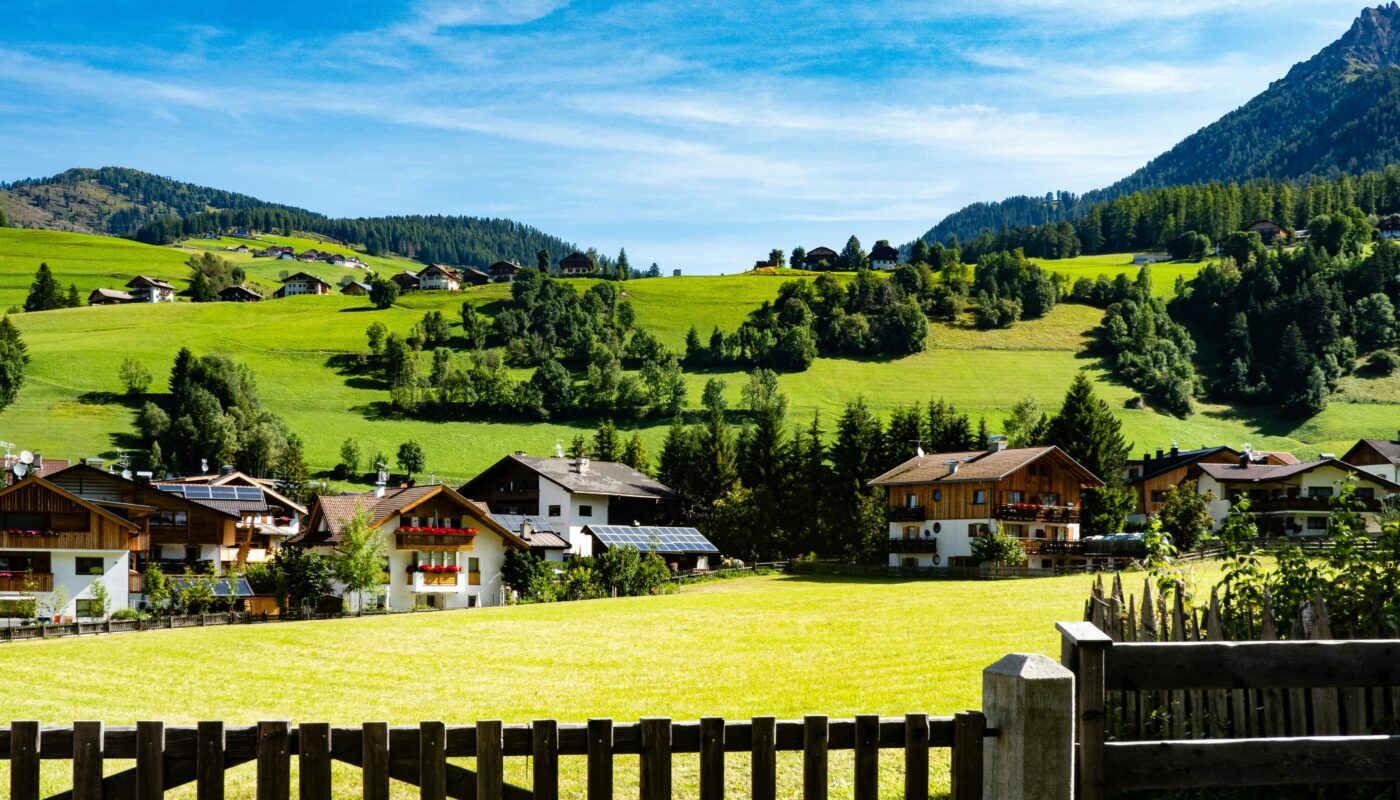
by Tucked high within the Austrian Alps, the village of Alpbach is often celebrated for its postcard-perfect scenery. Wooden chalets decorated with colorful flowers, green mountain meadows, and peaceful Alpine surroundings make it one of the most visually charming destinations in Austria. Yet the true character of Alpbach extends far beyond its appearance. What makes the village genuinely special is the way its people continue to preserve a strong sense of community, cultural identity, and connection to nature in an increasingly modern world.
Unlike destinations that have transformed completely around tourism, Alpbach has carefully protected the traditions and values that shaped the village for generations. Daily life here still reflects the rhythms of mountain living, family heritage, local cooperation, and respect for the environment. Visitors often notice that Alpbach feels calmer, more authentic, and more grounded than many other tourist regions.
Understanding the community lifestyle of Alpbach offers valuable insight into how small Alpine villages can preserve tradition while adapting thoughtfully to modern life. The village represents a balance between heritage and progress, individuality and collective responsibility, tourism and authenticity.
A Village With Deep Historical Roots
Alpbach’s unique character is closely tied to its history.
For many centuries, the village remained relatively isolated because of its mountain location. Difficult terrain limited outside influence, allowing local customs, architectural styles, and traditions to survive almost unchanged for generations. This historical isolation helped preserve a strong cultural identity that remains visible today.
Unlike rapidly developing urban areas, Alpbach evolved slowly. Families continued traditional farming practices, local craftsmanship remained important, and social life centered around the village community.
This slower development shaped the mindset of the residents. Many local values still emphasize continuity, responsibility, and preserving what previous generations built.
Even as tourism expanded over time, the community worked carefully to avoid losing the village’s original spirit.
The Importance of Traditional Architecture
One of the first things visitors notice about Alpbach is the harmony of its buildings. The village maintains a remarkably consistent architectural style, with wooden facades, sloping roofs, balconies filled with flowers, and structures designed to blend naturally into the mountain landscape.
This appearance is not accidental.
Alpbach introduced strict building guidelines decades ago to preserve its traditional Tyrolean character. New constructions must respect local architectural styles rather than introducing modern designs that clash with the surrounding environment.
For residents, architecture represents more than aesthetics. It reflects deeper cultural values:
- Respect for heritage
- Long-term thinking
- Community identity
- Harmony with nature
- Pride in local craftsmanship
The village demonstrates how development can occur without sacrificing historical character. Rather than chasing rapid modernization, Alpbach prioritizes preservation and visual unity.
As a result, the village feels authentic rather than artificially designed for tourism.
A Lifestyle Connected to Nature
Nature plays a central role in everyday life in Alpbach.
The surrounding mountains are not simply viewed as scenic attractions for visitors. They are part of the community’s identity and daily routine. Residents maintain a strong connection to forests, meadows, rivers, and Alpine pastures throughout the year.
This relationship with nature influences local values in several ways:
- Environmental awareness
- Respect for seasonal cycles
- Outdoor living
- Sustainable land use
- Appreciation for simplicity
Many people in Alpbach spend significant time outdoors through farming, hiking, skiing, cycling, or working in the surrounding landscape.
Unlike highly urbanized lifestyles dominated by indoor routines and fast-paced schedules, life in Alpbach often feels more balanced and connected to natural rhythms.
Seasonal changes still strongly influence community life. Winter brings skiing and snow-covered traditions, while summer focuses on mountain pastures, farming, hiking, and outdoor gatherings.
Farming Traditions Still Matter
Agriculture remains deeply connected to Alpbach’s identity even as tourism has grown.
Many local farms have been passed through families for generations, creating strong ties between residents and the land. Farming in mountain regions requires patience, resilience, and cooperation, qualities that continue shaping the local culture today.
Traditional Alpine farming practices remain visible throughout the village:
- Grazing cattle on mountain pastures
- Hay collection during summer
- Dairy production
- Cheese-making traditions
- Seasonal livestock movement
These activities are not simply tourist attractions. They remain genuine parts of local life and contribute to the village’s authenticity.
Mountain farming also reinforces important community values such as:
- Hard work
- Responsibility
- Respect for tradition
- Cooperation between families
- Sustainable use of resources
Even younger generations often maintain strong awareness of their farming heritage, whether or not they continue working directly in agriculture.
Strong Community Bonds
One of Alpbach’s defining characteristics is its close-knit social structure.
In many large cities, people may barely know their neighbors. In Alpbach, relationships within the community remain highly personal and interconnected. Families often know one another across multiple generations, and community participation continues to play an important role in daily life.
This sense of social closeness creates a culture that values:
- Mutual support
- Reliability
- Trust
- Shared responsibility
- Respect for neighbors
Village events, local festivals, and seasonal celebrations help strengthen these social bonds. Residents frequently gather for religious ceremonies, music performances, traditional events, and community activities.
Because life in mountain villages historically depended on cooperation during difficult winters and farming seasons, collective support became an essential survival skill. Those traditions of cooperation remain part of Alpbach’s social identity today.
Preserving Local Customs and Traditions
Alpbach places significant importance on maintaining cultural traditions.
Visitors often encounter local customs that continue to be practiced not for tourism alone but because they remain meaningful to residents themselves.
Traditional events and customs include:
- Folk music performances
- Alpine dances
- Religious festivals
- Seasonal celebrations
- Traditional clothing
- Mountain cattle parades
- Handmade crafts
These traditions help maintain continuity between generations.
Children growing up in Alpbach are often introduced early to local customs, music, and seasonal events. This intergenerational transmission helps preserve cultural identity naturally rather than treating tradition as something belonging only to the past.
Traditional Tyrolean clothing, for example, is still worn during festivals and important celebrations, reinforcing cultural pride and local identity.
Simplicity and Slower Living
One reason many travelers feel emotionally connected to Alpbach is the slower pace of life.
Modern society often emphasizes speed, productivity, and constant digital connection. Alpbach offers a noticeable contrast. Life here tends to feel calmer and more deliberate.
Residents often prioritize:
- Family relationships
- Outdoor experiences
- Face-to-face interaction
- Community involvement
- Time spent in nature
This slower rhythm contributes to a stronger sense of well-being and balance.
The village atmosphere encourages visitors to slow down as well. Instead of rushing between crowded attractions, people spend time walking through the village, enjoying mountain views, and participating in local experiences.
This emphasis on simplicity reflects a broader cultural mindset that values quality of life over excessive consumption or constant activity.
Hospitality Without Losing Authenticity
Tourism plays an important role in Alpbach’s economy, but the village has managed to maintain authenticity despite growing international attention.
Many accommodations, cafés, and restaurants are still family-run businesses where hospitality feels personal rather than purely commercial.
Visitors are often drawn to Alpbach because:
- The village feels genuine
- Local traditions remain visible
- The environment feels peaceful
- Residents are welcoming
- Tourism has not overwhelmed daily life
Unlike destinations that become dominated entirely by tourism infrastructure, Alpbach still feels like a living community first and a travel destination second.
This balance is one of the reasons travelers frequently describe the village as warm and memorable.
Respect for Sustainability
Environmental responsibility is closely connected to Alpbach’s local values.
Because the community depends heavily on its natural surroundings, residents often support sustainable practices that protect the Alpine environment for future generations.
Examples include:
- Preserving traditional landscapes
- Supporting local agriculture
- Encouraging responsible tourism
- Protecting forests and water sources
- Maintaining architectural harmony
- Limiting excessive development
The village’s careful planning reflects long-term thinking rather than short-term economic gain.
This approach helps preserve the peaceful atmosphere that attracts visitors while protecting the region’s ecological balance.
Tradition and Modern Ideas Existing Together
Although Alpbach strongly values tradition, the village is not disconnected from modern life.
In fact, Alpbach is internationally recognized for hosting intellectual and cultural events that bring together students, researchers, artists, and global thinkers from around the world.
This combination of traditional village life and international dialogue creates an interesting cultural balance.
The community demonstrates that preserving heritage does not require rejecting innovation. Instead, Alpbach integrates new ideas carefully while maintaining its core identity.
This philosophy reflects a broader lesson:
Communities can evolve without abandoning the values that define them.
The Role of Family and Generational Continuity
Family remains central to life in Alpbach.
Many businesses, farms, and guesthouses stay within the same families across generations. Skills, recipes, traditions, and local knowledge are passed down naturally through everyday life.
This continuity strengthens the sense of belonging within the village.
Children often grow up with strong awareness of:
- Family history
- Local customs
- Community expectations
- Respect for nature
- Cultural traditions
Older generations continue playing active roles in family and community life, helping preserve cultural memory and village identity.
Local Food and Culinary Traditions
Food in Alpbach reflects the region’s farming roots and Alpine lifestyle.
Traditional dishes are often hearty, seasonal, and prepared with local ingredients. Meals emphasize simplicity, freshness, and regional identity rather than elaborate presentation.
Popular foods include:
- Cheese dumplings
- Alpine cheeses
- Smoked meats
- Homemade bread
- Fresh dairy products
- Pastries and desserts
Food also plays an important social role. Family gatherings, festivals, and celebrations often center around shared meals and local recipes passed through generations.
This connection between food, family, and tradition reinforces community bonds.
Challenges Facing Modern Alpine Villages
Like many small communities, Alpbach faces modern challenges as well.
These include:
- Rising tourism demand
- Housing affordability
- Climate change
- Economic pressure
- Retaining younger residents
Balancing tourism growth with cultural preservation requires careful decision-making.
However, Alpbach’s strong local identity and community-centered values have helped the village manage these pressures more successfully than many destinations that experienced uncontrolled development.
Why Alpbach Leaves a Lasting Impression
Many travelers visit Alpbach expecting beautiful scenery but leave remembering something deeper: the feeling of community and authenticity.
The village offers a rare example of a place where:
- Tradition remains meaningful
- Nature is respected
- Community relationships matter
- Simplicity is valued
- Modern life exists without overwhelming local identity
For visitors accustomed to fast-paced urban environments, Alpbach often feels refreshing because it demonstrates a different way of living—one rooted in continuity, cooperation, and connection to place.
Final Thoughts
Alpbach’s community lifestyle reflects generations of cultural preservation, environmental awareness, and strong social values. The village has successfully maintained its identity by balancing tradition with thoughtful progress and tourism with authenticity.
Its residents continue to value family, cooperation, craftsmanship, sustainability, and respect for nature in ways that shape everyday life throughout the village.
What makes Alpbach truly remarkable is not only its visual beauty but also the mindset of the community itself. The village shows that preserving local culture and community spirit is still possible in a rapidly changing world.
For travelers seeking more than scenic views, Alpbach offers an inspiring example of how tradition, simplicity, and human connection can continue thriving together in modern times.