 by
by Nestled within the breathtaking mountains of Tyrol, Alpbach is widely celebrated for its traditional wooden houses, flower-filled balconies, and peaceful Alpine atmosphere. While many travelers visit for hiking, skiing, and mountain scenery, the region also holds another lesser-known treasure: its vibrant art and craft culture.
The Alpbach area is deeply connected to Tyrolean traditions, and this connection is reflected in local craftsmanship, handmade products, folk art, and creative workshops scattered throughout nearby villages and valleys. Rather than focusing on large commercial galleries or modern urban art scenes, the area offers something more personal and authentic—small artisan studios, handcrafted Alpine décor, woodcarving traditions, textile artistry, pottery workshops, and cultural spaces that preserve centuries-old techniques.
For travelers seeking meaningful cultural experiences, exploring these artistic and craft-focused locations provides a deeper understanding of Alpine heritage and the people who continue to preserve it.
This guide explores some of the most unique art and craft experiences in and around Alpbach, along with what makes the region’s creative culture so special.
Why the Alpbach Area Has Such a Strong Craft Tradition
The Alpine regions of Austria have long depended on craftsmanship for both practical and cultural reasons.
Historically, mountain communities created handmade goods because:
- Remote geography limited access to imported products
- Long winters encouraged indoor artisan work
- Wood, wool, clay, and stone were readily available locally
Over generations, these necessities evolved into respected artistic traditions.
Today, many crafts in the Alpbach region still reflect:
- Alpine lifestyles
- Mountain symbolism
- Folk heritage
- Natural materials
Unlike mass-produced souvenirs, authentic local crafts often feel connected to the surrounding environment and cultural history.
Traditional Woodcarving Workshops
Woodworking is one of the most iconic artistic traditions in Tyrol.
Because forests surround much of the region, wood became an essential material for:
- Furniture
- Home decoration
- Religious art
- Alpine architecture
In villages around Alpbach, travelers can still find small workshops where artisans handcraft:
- Wooden figurines
- Carved religious pieces
- Decorative Alpine animals
- Rustic household items
Many craftsmen continue using techniques passed down through generations.
The charm of these workshops lies not only in the finished products but also in the craftsmanship itself. Watching wood slowly transformed by hand offers insight into the patience and skill required for traditional Alpine artistry.
Some artisan studios also allow visitors to:
- Observe demonstrations
- Purchase handmade products directly
- Learn about local carving traditions
These experiences feel far more authentic than standard tourist gift shops.
Handmade Tyrolean Textiles and Wool Products
Textile traditions remain an important part of Alpine culture.
Historically, mountain communities relied heavily on wool for warmth during harsh winters. This led to the development of distinctive regional textile crafts.
In the Alpbach area, visitors may encounter handmade:
- Wool blankets
- Felt accessories
- Embroidered tablecloths
- Traditional Alpine clothing details
- Knitted winter items
Many products feature:
- Floral patterns
- Mountain-inspired motifs
- Traditional Tyrolean colors and stitching styles
Some workshops continue using old looms and handcrafting methods rather than industrial production.
These textiles are not simply decorative souvenirs—they reflect regional identity and generations of domestic craftsmanship.
Pottery and Ceramic Studios
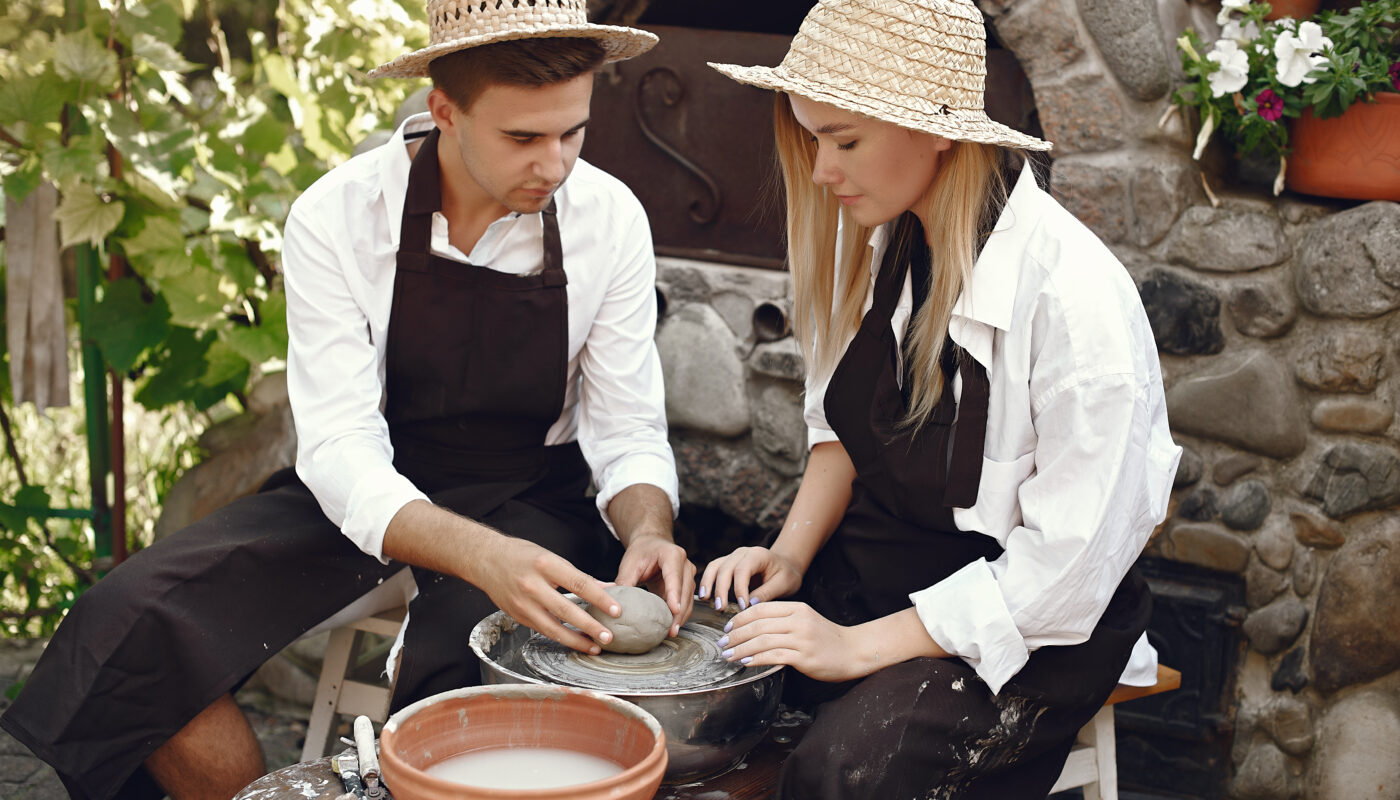
Another unique artistic experience in the region involves pottery and ceramics.
Small ceramic studios near Alpbach often produce:
- Handmade mugs
- Decorative plates
- Rustic kitchenware
- Nature-inspired sculptures
Local pottery frequently incorporates earthy tones and mountain aesthetics inspired by the surrounding landscapes.
Unlike factory-made ceramics, handmade Alpine pottery often contains subtle imperfections that add character and individuality.
Some workshops also offer:
- Beginner pottery classes
- Demonstrations of wheel-throwing techniques
- Opportunities to create simple handmade pieces
These experiences allow visitors to engage directly with the creative process rather than simply purchasing finished products.
Folk Art and Religious Craftsmanship
Religion has historically played a significant role in Tyrolean artistic culture.
Throughout the region, travelers may notice:
- Hand-painted chapels
- Carved crucifixes
- Decorative church interiors
- Folk religious sculptures
Many local artisans specialized in creating:
- Nativity scenes
- Wooden saints
- Hand-painted religious icons
Even today, traditional religious artistry remains an important cultural craft in Alpine villages.
Christmas markets in the region are especially known for showcasing handcrafted nativity figures and traditional festive decorations.
These items often combine artistic beauty with deep cultural symbolism.
Local Farmers’ Markets With Artisan Products
One of the best ways to discover authentic local craftsmanship is by visiting regional markets.
Markets near Alpbach often include stalls selling:
- Handmade candles
- Artisan soaps
- Herbal products
- Woodcrafts
- Homemade Alpine food products
Unlike large commercial shopping areas, these markets provide opportunities to:
- Meet local creators directly
- Learn how products are made
- Discover regional specialties
Many artisans sell only small quantities of handmade goods, making these products feel more personal and unique.
Seasonal markets are particularly vibrant during:
- Summer festivals
- Harvest season
- Christmas celebrations
Glass Art and Decorative Crafts
Although less famous than woodworking or textiles, decorative glass art can also be found in parts of Tyrol.
Some artisan shops produce:
- Handcrafted ornaments
- Decorative glass pieces
- Colored Alpine-inspired designs
These works often reflect:
- Mountain flowers
- Wildlife themes
- Traditional Austrian decorative aesthetics
Because many studios operate on a small scale, visitors often encounter one-of-a-kind pieces rather than mass-produced designs.
Artisan Bakeries as Culinary Craft
Artistic culture in Alpbach is not limited to visual arts.
Traditional baking is also considered a form of regional craftsmanship.
Family-run bakeries often create:
- Hand-shaped breads
- Traditional pastries
- Regional cakes
- Seasonal Alpine desserts
The process frequently follows recipes passed through generations.
Many visitors overlook the artistry involved in:
- Bread shaping
- Decorative pastry work
- Traditional baking techniques
Exploring local bakeries can therefore become a cultural and artistic experience in its own right.
Traditional Alpine Furniture Workshops
Tyrolean furniture craftsmanship is another remarkable regional tradition.
Small furniture workshops near Alpbach may specialize in:
- Hand-carved wooden tables
- Rustic cabinets
- Traditional Alpine chairs
- Decorative interior pieces
These items often emphasize:
- Durability
- Natural wood grain
- Functional beauty
Unlike modern mass-produced furniture, traditional Alpine pieces are designed to last for decades.
The craftsmanship reflects a philosophy of sustainability and long-term use that remains deeply rooted in mountain culture.
Seasonal Art Festivals and Cultural Events
Throughout the year, villages in the region host cultural festivals celebrating local creativity.
These events may feature:
- Folk music
- Artisan markets
- Live demonstrations
- Traditional dance performances
- Regional craft exhibitions
Summer festivals often showcase outdoor artistic activities, while winter markets focus heavily on handmade decorations and seasonal crafts.
These events provide excellent opportunities to experience Alpine artistic traditions in a lively community setting.
Small Independent Art Galleries
Although Alpbach is known primarily for traditional culture, the region also supports contemporary local artists.
Small galleries may feature:
- Landscape paintings
- Alpine photography
- Modern interpretations of mountain life
- Nature-inspired sculpture
Many artists draw inspiration directly from:
- Snow-covered peaks
- Forest landscapes
- Rural village life
- Seasonal changes
The result is artwork that feels strongly connected to the environment rather than detached from it.
These galleries often blend contemporary creativity with regional heritage.
Why Handmade Crafts Matter More Today
In an era dominated by mass production and online shopping, handmade crafts carry renewed significance.
Authentic artisan products often represent:
- Time and patience
- Individual creativity
- Cultural preservation
- Sustainable production
Buying directly from local artisans also helps:
- Support small communities
- Preserve traditional skills
- Maintain regional identity
For many travelers, these purchases become more meaningful than generic souvenirs because they contain genuine human craftsmanship.
Tips for Finding Authentic Craft Experiences
Not every shop marketed as “traditional” is genuinely local.
To find authentic experiences, look for:
- Handmade production demonstrations
- Family-run studios
- Locally sourced materials
- Limited-production artisan goods
Avoid shops dominated entirely by:
- Mass-produced souvenirs
- Imported products
- Generic tourist merchandise
The most memorable craft experiences often occur in smaller villages and independent workshops rather than crowded tourist centers.
The Connection Between Nature and Art in Alpbach
One reason the Alpbach area feels artistically distinctive is its deep relationship with nature.
The surrounding environment influences:
- Color palettes
- Materials
- Decorative themes
- Seasonal artistic traditions
Mountain landscapes appear everywhere in local craftsmanship:
- Floral carvings
- Wildlife motifs
- Natural wood textures
- Alpine-inspired patterns
This close relationship between nature and creativity gives the region’s artistic culture a strong sense of authenticity.
Final Thoughts
The Alpbach area offers far more than scenic mountain views and traditional Alpine architecture. Hidden among its valleys and villages is a rich artistic culture shaped by generations of craftsmanship, regional identity, and connection to nature.
From hand-carved woodwork and traditional textiles to pottery studios and artisan bakeries, the region’s creative spirit reflects the enduring traditions of Tyrolean life.
What makes these art and craft experiences special is not just their beauty, but their authenticity. Many artisans continue working with techniques, materials, and ideas that have been preserved for decades—or even centuries.
For travelers seeking deeper cultural experiences, exploring the artistic side of Alpbach reveals a quieter and more meaningful layer of Alpine life—one built not around mass tourism, but around creativity, heritage, and human craftsmanship.