 by
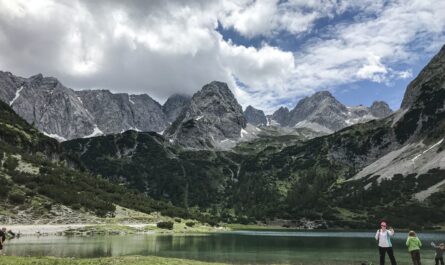
by High in the Tyrolean Alps, the village of Alpbach appears, at first glance, to be defined by its postcard beauty—wooden houses, neatly arranged flower boxes, and mountain views that seem almost painted. Yet beyond its visual charm lies an unexpected identity. This quiet alpine settlement has grown into one of Europe’s most respected venues for intellectual exchange.
Each year, thinkers, policymakers, scientists, artists, and students gather here to engage in conversations that stretch far beyond the village itself. The transformation of Alpbach from a rural mountain community into a global meeting place for ideas did not happen by chance. It is the result of a deliberate vision shaped by history, geography, and a unique cultural mindset.
A Beginning Rooted in Renewal
To understand Alpbach’s intellectual significance, it is necessary to look at the moment of its emergence on the global stage. In the aftermath of World War II, Europe faced not only physical destruction but also a deep crisis of ideas. Questions about governance, identity, and cooperation dominated the continent.
It was during this period that European Forum Alpbach was founded in 1945. The initiative sought to create a space where individuals from different backgrounds could come together to exchange perspectives freely.
Rather than focusing on rebuilding infrastructure alone, the founders emphasized rebuilding thought itself. Their aim was to encourage dialogue across borders and disciplines, fostering understanding in a fractured world.
Why a Remote Village Became the Ideal Setting
At first, it might seem unusual that such an ambitious intellectual project would take root in a small alpine village rather than a major city. However, the choice of Alpbach proved to be one of the most important factors in its success.
Distance From Distraction
Cities offer resources and connectivity, but they also bring noise, urgency, and distraction. Alpbach, by contrast, provides an environment where participants can focus entirely on discussion and reflection.
The absence of urban pressure allows conversations to unfold naturally. Participants are not rushing between appointments or navigating crowded streets; instead, they are immersed in a setting that encourages sustained attention.
A Symbolic Fresh Start
In the years following the war, many European cities carried visible reminders of conflict. Alpbach, largely untouched by destruction, represented a clean slate. It became a symbolic space where new ideas could emerge without the immediate weight of the past.
This symbolic neutrality helped create an atmosphere where dialogue could flourish.
The Evolution of an Intellectual Tradition
What began as a modest gathering gradually developed into a major international event.
From Small Meetings to Global Influence
In its early years, the forum brought together a relatively small group of participants. Over time, its reputation grew, attracting individuals from a wide range of fields and countries.
Today, the European Forum Alpbach hosts thousands of attendees annually, making it one of Europe’s most significant interdisciplinary gatherings.
A Reputation Built on Consistency
Unlike many conferences that change direction frequently, Alpbach has maintained a consistent commitment to open dialogue and intellectual exchange. This continuity has strengthened its reputation and attracted generations of participants.
The Power of Interdisciplinary Dialogue
One of the defining characteristics of Alpbach is its refusal to confine discussions to a single discipline.
Crossing Traditional Boundaries
At Alpbach, it is common to see:
- Economists discussing ethics
- Scientists engaging with policymakers
- Artists contributing to debates on social issues
This blending of perspectives allows for more comprehensive exploration of complex topics.
Encouraging New Ideas
When individuals from different fields interact, they bring unique ways of thinking. These interactions often lead to:
- Innovative solutions
- Unexpected collaborations
- A deeper understanding of global challenges
This interdisciplinary approach has become a cornerstone of Alpbach’s identity.
A Strong Focus on Young Voices
Another factor that distinguishes Alpbach is its emphasis on youth participation.
Opening Doors to the Next Generation
From its earliest days, the forum welcomed students and young thinkers. This tradition continues today through scholarship programs that enable participants from diverse backgrounds to attend.
Creating a Dynamic Exchange
By bringing together experienced professionals and younger participants, Alpbach fosters a two-way exchange of ideas. Established figures share knowledge and experience, while younger voices introduce fresh perspectives and questions.
This dynamic keeps discussions lively and forward-looking.
The Role of Informal Interaction
While formal sessions are central to the forum, much of its intellectual energy comes from informal encounters.
Conversations Beyond the Lecture Hall
In Alpbach, discussions extend into everyday moments:
- Walking through the village
- Sharing meals
- Gathering in small groups
These informal settings often encourage more open and candid conversations than structured sessions.
Building Personal Connections
The small scale of the village means participants frequently encounter one another. These repeated interactions help build relationships that extend beyond the duration of the event.
Integrating Culture Into Intellectual Life
Alpbach’s approach to intellectual exchange is not limited to academic or political discussions.
A Broader View of Knowledge
Cultural events are a significant part of the forum’s schedule. Music, art, and performance are integrated into the experience, reflecting the idea that creativity and intellectual inquiry are closely connected.
Enriching the Experience
These cultural elements provide:
- New ways of understanding complex issues
- Opportunities for reflection
- A more holistic approach to learning
A Platform for European and Global Dialogue
Although rooted in Austria, Alpbach has always had an international outlook.
Addressing Global Challenges
Topics discussed at the forum often include:
- Environmental sustainability
- Economic development
- Technological change
- Political cooperation
These issues require perspectives from multiple regions and disciplines, making Alpbach an ideal setting for such conversations.
Encouraging Collaboration
By bringing together participants from different countries, the forum fosters cross-border collaboration and understanding.
The Importance of Atmosphere
The success of Alpbach cannot be explained solely by its programs or participants. The atmosphere of the village itself plays a crucial role.
A Human-Scale Environment
Unlike large conference centers, Alpbach offers a more intimate setting. This encourages:
- Direct interaction
- A sense of community
- Greater accessibility
A Slower Pace
The rhythm of life in the village encourages participants to slow down. This slower pace allows for:
- Deeper التفكير
- More thoughtful discussions
- Greater engagement with ideas
Adaptability Over Time
One of the reasons Alpbach has remained relevant is its ability to evolve.
Responding to Change
Over the decades, the forum has addressed shifting global priorities. While its core mission remains the same, its focus adapts to current challenges.
Maintaining Core Values
Despite these changes, the emphasis on dialogue, openness, and interdisciplinary exchange has remained constant.
Why Alpbach Stands Apart
Many places host conferences, but few achieve the lasting influence of Alpbach.
Key Distinctions
- A strong founding vision rooted in intellectual renewal
- A unique setting that encourages focus and connection
- A commitment to diversity of thought
- An emphasis on both formal and informal exchange
These elements combine to create an experience that goes beyond a typical event.
A Living Tradition
Today, Alpbach continues to serve as a meeting point for ideas. Each year, new participants bring fresh perspectives, while returning attendees contribute continuity and depth.
The village has become more than a location—it is a symbol of what can happen when people come together with a shared commitment to dialogue.
Final Reflections
The rise of Alpbach as Austria’s center for intellectual events is not the result of a single factor, but a combination of vision, environment, and sustained effort.
It shows that meaningful exchange does not require grand settings or large cities. Sometimes, the most powerful ideas emerge in places that allow people to step away from distraction and engage fully with one another.
In an era marked by rapid change and complex challenges, the example of Alpbach remains relevant. It demonstrates the value of creating spaces where dialogue is encouraged, perspectives are shared, and new ideas can take shape.
And perhaps most importantly, it reminds us that intellectual life is not just about knowledge—it is about connection, curiosity, and the willingness to listen.