 by
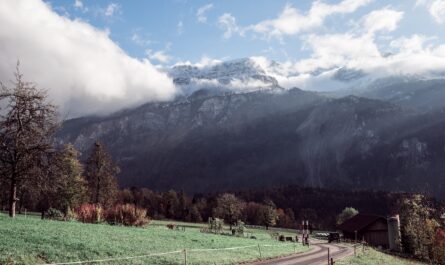
by Tucked into the rolling alpine landscape of western Austria, Alpbach is often admired for its postcard-perfect scenery—wooden chalets adorned with flowers, green pastures stretching into the mountains, and a peaceful atmosphere that feels far removed from urban life. Yet behind this idyllic image lies a dynamic reality: tourism has become a central force influencing both the economic vitality and cultural character of the village.
Rather than allowing tourism to overwhelm its identity, Alpbach has developed a thoughtful approach that blends economic opportunity with preservation. The result is a community where tradition and modern tourism coexist in a carefully managed balance.
A Historical Shift: From Self-Sufficiency to Visitor Economy
Before tourism became prominent, Alpbach’s economy was rooted in subsistence activities. Agriculture, cattle farming, and small-scale resource extraction sustained local families for generations. Life followed seasonal rhythms, and the village remained relatively isolated due to its mountainous location.
As transportation improved in the late 19th and early 20th centuries, Alpbach gradually opened to the outside world. Travelers began arriving, drawn by the clean mountain air, scenic beauty, and sense of tranquility. What began as occasional visits slowly evolved into a structured tourism sector.
This transition marked a turning point. The village shifted from a largely self-contained economy to one increasingly connected to global travel patterns.
Tourism as a Core Economic Driver
Today, tourism is one of the most significant contributors to Alpbach’s local economy. It supports livelihoods, fuels business development, and provides financial stability in a region where traditional industries alone might not suffice.
Employment Opportunities
Tourism generates a wide variety of jobs across the community. These include:
- Hospitality roles in hotels, inns, and guesthouses
- Restaurant and food service positions
- Outdoor guides and activity instructors
- Transport and support services
In a small village like Alpbach, these jobs are highly visible and often interconnected. Many residents participate in tourism in some capacity, either directly or indirectly.
Strengthening Local Entrepreneurship
One of the distinctive features of Alpbach’s tourism model is its emphasis on locally owned businesses. Instead of being dominated by large international chains, the village is characterized by family-run establishments.
This includes:
- Small hotels and bed-and-breakfasts
- Independent restaurants serving regional dishes
- Artisan shops offering handcrafted goods
This structure helps ensure that economic benefits remain within the community. It also creates a more personal and authentic experience for visitors.
A Year-Round Destination
Unlike some alpine regions that rely heavily on a single season, Alpbach has successfully developed a year-round tourism model.
- Winter months attract visitors for skiing and snow-related activities
- Summer brings hikers, cyclists, and nature enthusiasts
- Shoulder seasons feature cultural events and quieter travel experiences
This diversification reduces economic vulnerability and allows businesses to operate more consistently throughout the year.
Tourism as a Force for Cultural Preservation
While tourism drives economic growth, it also plays a crucial role in maintaining Alpbach’s cultural identity.
Architectural Consistency
One of the most striking aspects of Alpbach is its uniform architectural style. Traditional wooden buildings dominate the landscape, creating a cohesive and recognizable visual identity.
Strict building regulations ensure that:
- New structures follow traditional design elements
- Renovations respect historical aesthetics
- The village retains its distinctive alpine character
This commitment is not merely about appearance—it reflects a deeper effort to preserve cultural heritage.
Revitalizing Traditions
Tourism has helped sustain many local customs that might otherwise have declined. Visitors often seek authentic cultural experiences, which encourages communities to maintain and showcase their traditions.
In Alpbach, this includes:
- Traditional Tyrolean clothing worn during festivals
- Folk music and dance performances
- Regional cuisine prepared using local ingredients
Rather than being replaced by modern influences, these traditions are reinforced through interaction with visitors.
Cultural Events and Global Connections
A major cultural highlight is the European Forum Alpbach, an internationally recognized gathering that brings together experts, students, and leaders from around the world.
This event transforms the village into a hub of intellectual exchange while still maintaining its alpine charm. It demonstrates how tourism can introduce global perspectives without eroding local identity.
Sustainability at the Heart of Development
Alpbach’s approach to tourism is closely tied to sustainability. The village recognizes that its natural environment is its greatest asset and has taken steps to protect it.
Environmental Initiatives
Efforts to reduce environmental impact include:
- Promoting renewable energy sources
- Encouraging eco-friendly transport options
- Implementing waste reduction and recycling systems
These measures help ensure that tourism does not compromise the landscapes that attract visitors.
Managing Visitor Impact
Unlike destinations that pursue rapid growth, Alpbach takes a measured approach. Strategies include:
- Avoiding excessive development
- Encouraging travel during off-peak periods
- Maintaining a balance between visitors and residents
This careful management helps prevent overcrowding and preserves the village’s quality of life.
Supporting Sustainable Tourism Models
The broader Alpbachtal region has embraced eco-conscious tourism practices, including green certifications for accommodations and responsible event management.
This forward-thinking approach positions Alpbach as a model for sustainable alpine tourism.
Social and Cultural Dynamics
Tourism influences not only the economy but also the social fabric of the village.
Cultural Exchange
Visitors bring diverse perspectives, creating opportunities for cultural exchange. Residents interact with people from different backgrounds, which can broaden worldviews and foster understanding.
Reinforcing Local Identity
At the same time, presenting local traditions to outsiders often strengthens community pride. Residents become more aware of their heritage and its value.
Challenges of Tourism
Despite its benefits, tourism also presents challenges:
- Increased demand for housing can drive up property prices
- Infrastructure may face pressure during peak seasons
- Cultural practices risk becoming commercialized if not carefully managed
Alpbach’s controlled approach helps mitigate these risks, but ongoing vigilance is necessary.
Balancing Tradition and Innovation
One of Alpbach’s greatest strengths is its ability to balance the old with the new.
On one side, the village preserves:
- Historic architecture
- Agricultural traditions
- Cultural practices
On the other, it embraces:
- Modern tourism services
- International events
- Sustainable technologies
This balance allows Alpbach to remain relevant in a changing world without losing its essence.
The Role of Slow Travel
Alpbach aligns closely with the concept of slow travel—a philosophy that prioritizes meaningful experiences over rushed itineraries.
Visitors are encouraged to:
- Spend more time exploring the village
- Engage with local culture and traditions
- Appreciate the natural environment at a relaxed pace
This approach benefits both travelers and the community, promoting sustainability and deeper connections.
Looking Toward the Future
As global tourism continues to evolve, Alpbach faces new opportunities and challenges.
Opportunities
- Growing demand for eco-friendly travel
- Increased interest in authentic cultural experiences
- Expansion of year-round tourism offerings
Challenges
- Climate change affecting alpine environments
- Maintaining authenticity amid rising popularity
- Ensuring that tourism benefits are distributed fairly
The village’s future will depend on maintaining its careful balance between growth and preservation.
Conclusion
Tourism has become a defining force in shaping the economy and culture of Alpbach. It has transformed the village from a self-sufficient community into a thriving destination while providing jobs, supporting local businesses, and sustaining cultural traditions.
What sets Alpbach apart is not just its success, but how that success has been managed. Through thoughtful planning, community involvement, and a commitment to sustainability, the village has created a model where tourism enhances rather than diminishes local identity.
In an era when many destinations struggle with the pressures of mass tourism, Alpbach offers a different path—one where economic growth, cultural preservation, and environmental responsibility can coexist.