 by
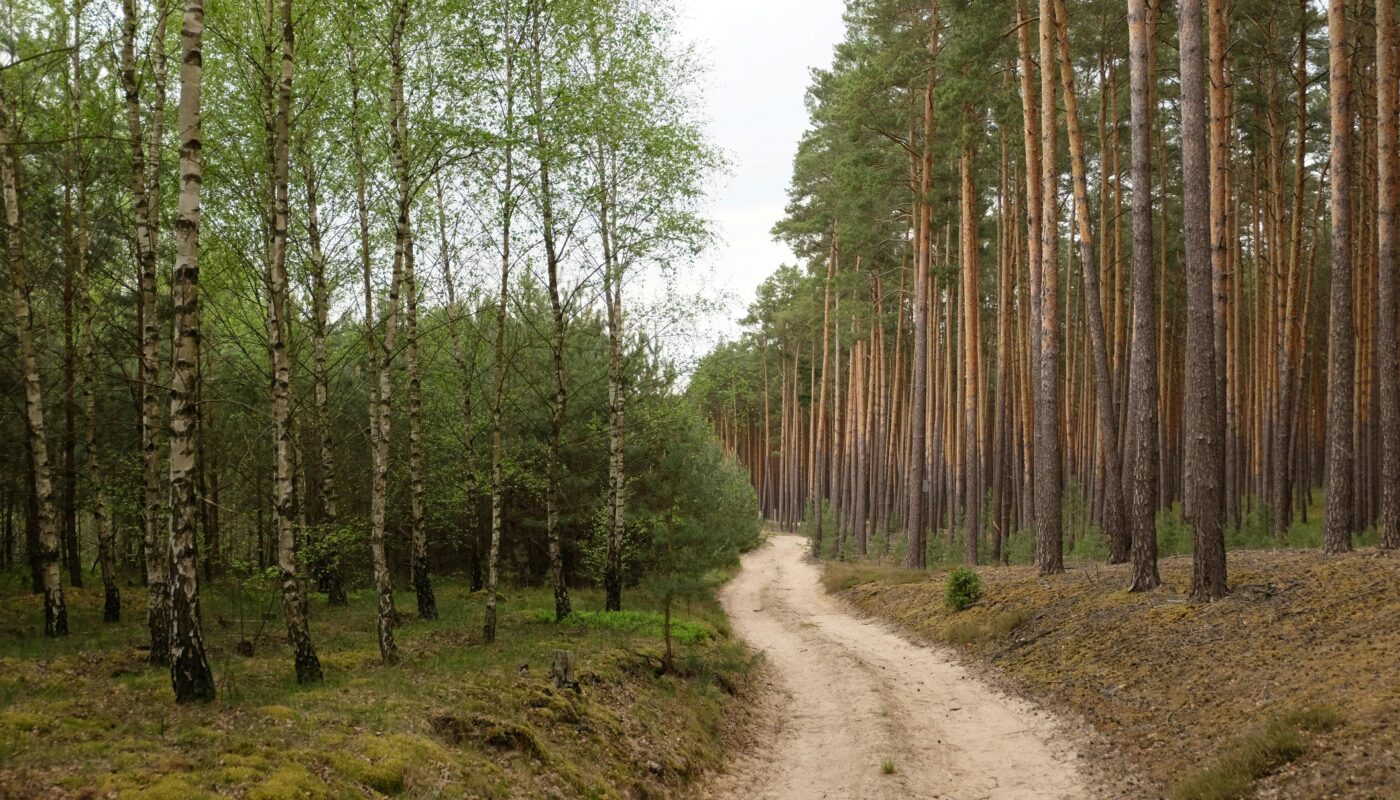
by Just beyond the edge of many villages lies a different world—one that feels untouched, layered, and alive in ways that are easy to overlook. A short walk from homes, gardens, and quiet streets can lead into forests where countless species coexist, forming intricate ecological systems. These forest trails are not just pathways through trees; they are living networks filled with diverse plants, animals, fungi, and microorganisms.
In many regions, especially across Europe and mountainous landscapes, village-adjacent forests are among the most biologically rich environments accessible to everyday explorers. These areas offer a rare opportunity to experience biodiversity up close without venturing far from human settlements.
This article explores what makes these forest trails exceptionally biodiverse, why they often exist near villages, and how visitors can experience them responsibly.
Understanding Biodiversity in Forest Environments
Biodiversity refers to the variety of life within a particular ecosystem. In forests, this includes everything from towering trees to tiny soil organisms. What makes forests particularly rich in biodiversity is their structure.
A forest is not a single layer of vegetation—it is a vertical ecosystem composed of:
- A canopy formed by tall trees
- An understory of smaller trees and shrubs
- Ground-level plants, mosses, and fungi
- Soil ecosystems filled with microorganisms
Each layer supports different species, creating a complex web of life.
In highly biodiverse forests, you will often find:
- Multiple tree species growing together
- A mix of plant life at different heights
- Evidence of animal activity, even if the animals themselves remain hidden
- Natural processes such as decay and regeneration happening simultaneously
These elements combine to create an ecosystem that is both stable and dynamic.
Why Biodiverse Forests Often Surround Villages
It may seem surprising that some of the most biologically rich forests are located so close to human settlements. However, this pattern has historical and ecological reasons.
Traditionally, villages were established near forests because they provided essential resources such as:
- Wood for construction and fuel
- Wild food sources like berries and mushrooms
- Protection from strong winds and weather
- Fresh water from nearby streams
Unlike large-scale industrial development, traditional village life often interacted with forests in a balanced way. Instead of clearing vast areas, communities used forest resources carefully, allowing ecosystems to regenerate naturally.
As a result, many village forests today are “semi-natural.” They have been influenced by human use but still retain high ecological diversity.
Features That Indicate Exceptional Biodiversity
Not every forest trail offers the same level of biodiversity. Some forests are managed intensively and may lack ecological variety. Truly biodiverse trails tend to share certain characteristics.
1. Variety of Tree Species
Forests with multiple tree types provide more food sources and habitats than those dominated by a single species.
2. Mixed Age of Vegetation
A combination of young saplings and mature trees creates a range of ecological niches. Older trees often support birds and insects that depend on cavities or bark texture.
3. Presence of Decaying Material
Fallen branches, rotting logs, and leaf litter are essential components of a healthy forest. These materials support fungi, insects, and nutrient recycling.
4. Natural Growth Patterns
Forests that regenerate without heavy human intervention tend to maintain stronger ecological balance.
5. Water Sources
Streams, ponds, or damp areas increase biodiversity by supporting amphibians, insects, and water-dependent plants.
Types of Biodiverse Forest Trails Near Villages
The type of forest you encounter depends largely on geography and climate. Each type offers its own form of biodiversity.
Alpine Forest Trails
In mountainous regions, villages often sit at the edge of alpine forests. These trails are shaped by altitude and cooler temperatures.
Common features include:
- Evergreen trees such as fir and spruce
- Thick moss covering rocks and soil
- Clear, cold streams flowing through valleys
- Wildlife adapted to cooler climates
Although less dense than tropical forests, alpine ecosystems are rich in specialized species.
Temperate Forest Trails
Temperate forests are among the most accessible and diverse ecosystems for casual walkers.
They typically include:
- A mix of deciduous and evergreen trees
- Seasonal changes that transform the landscape
- A wide variety of birds, insects, and small mammals
These forests are particularly vibrant during spring and autumn when plant and animal activity is at its peak.
Mediterranean Forest Trails
Near villages in warmer regions, forests may consist of drought-resistant vegetation.
These trails often feature:
- Oak and pine trees
- Low shrubs and aromatic herbs
- Reptiles, birds, and pollinators
The biodiversity here is adapted to dry summers and mild winters, creating a distinct ecological balance.
Tropical and Subtropical Forest Trails
In warmer parts of the world, village forests can be incredibly dense and biologically rich.
Characteristics include:
- High plant diversity with multiple canopy layers
- Constant growth due to warm temperatures
- Abundant insect and bird life
These forests are among the most complex ecosystems on Earth.
The Importance of These Trails for Conservation
Forest trails near villages are more than recreational spaces—they play an important role in conservation.
Managing Human Impact
Designated trails help control where people walk, reducing damage to sensitive areas.
Supporting Local Economies
Eco-tourism based on forest trails can provide income while encouraging environmental protection.
Encouraging Environmental Awareness
Experiencing biodiversity firsthand helps people understand its importance and value.
What You Might Encounter on a Biodiverse Trail
Walking through a biodiverse forest is a sensory experience filled with subtle details.
Plant Life
You may notice:
- Layers of vegetation from ground to canopy
- Wildflowers in clearings
- Moss and lichens growing on tree bark
Animal Life
Even if animals are not always visible, signs of their presence are everywhere:
- Bird calls echoing through the trees
- Insects moving between plants
- Tracks or movement in the undergrowth
Hidden Ecosystems
Much of the forest’s activity happens out of sight, especially in the soil where microorganisms and fungi play crucial roles.
Why Biodiversity Matters
Biodiversity is essential for maintaining healthy ecosystems. A forest with many species is better able to adapt to change and recover from disturbances.
Healthy forests:
- Improve air quality
- Regulate water cycles
- Store carbon and reduce climate impact
- Support pollination and food systems
Loss of biodiversity weakens these functions and makes ecosystems more vulnerable.
Exploring Forest Trails Responsibly
Because these environments are delicate, visitors should take care to minimize their impact.
Stay on Designated Paths
Leaving trails can damage plants and disturb habitats.
Avoid Interfering with Wildlife
Animals should be observed from a distance without feeding or approaching them.
Carry Out All Waste
Even small items like food wrappers can disrupt the ecosystem.
Respect Local Rules
Some village forests are protected areas with specific guidelines.
Seasonal Changes in Biodiversity
Forest ecosystems change significantly throughout the year.
Spring
- New growth begins
- Birds become more active
- Flowers bloom across the forest floor
Summer
- Dense foliage creates shade
- Insect activity increases
- Wildlife is highly active
Autumn
- Leaves change color and fall
- Fungi become more visible
- Animals prepare for colder months
Winter
- Activity slows down
- Snow reveals animal tracks
- The forest becomes quieter and more open
Each season offers a different way to experience biodiversity.
Cultural Connections to Forests
In many regions, forests are closely tied to local traditions and lifestyles.
They are often used for:
- Collecting herbs and mushrooms
- Seasonal celebrations
- Storytelling and folklore
This cultural relationship helps maintain respect for forests and encourages long-term conservation.
Challenges Facing Biodiverse Forests
Despite their importance, these ecosystems face several threats:
- Climate change altering temperature and rainfall patterns
- Habitat loss from development
- Invasive species disrupting native ecosystems
- Increased tourism causing environmental stress
Protecting these forests requires both local and global efforts.
Final Thoughts
Forest trails with exceptional biodiversity offer a rare chance to experience complex ecosystems just steps away from village life. These environments are not only beautiful but also essential for maintaining ecological balance and supporting life in many forms.
By exploring them thoughtfully and respecting their natural processes, visitors can enjoy their richness while helping preserve them for future generations.
In a rapidly changing world, these biodiverse forest trails remain vital reminders of how interconnected and resilient nature can be—when given the space to thrive.