 by
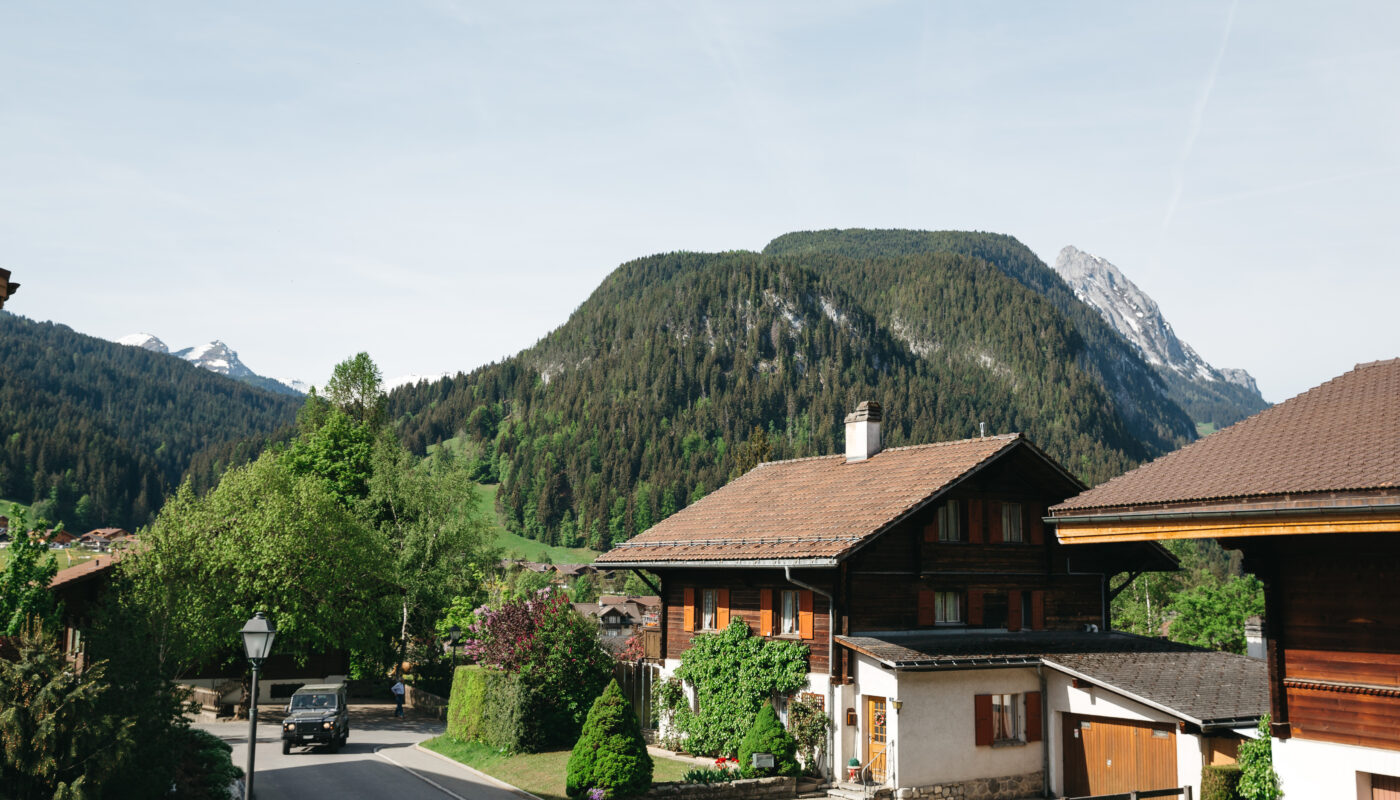
by Nestled in the heart of the Austrian Alps, Alpbach Valley is often described as one of Europe’s most picturesque destinations. Known for its traditional wooden architecture, flower-filled balconies, and breathtaking mountain views, this alpine region attracts travelers year-round. But beyond short visits and holiday stays, an increasing number of people are considering what it might be like to live here for an extended period.
Whether you’re a remote worker, retiree, or someone seeking a slower, nature-oriented lifestyle, the idea of settling in Alpbach Valley carries both appealing advantages and important challenges. Living in a mountain village is very different from visiting one, and understanding both sides is essential before making a long-term commitment.
This article explores the pros and cons of extended living in Alpbach Valley, helping you decide whether this idyllic location aligns with your lifestyle and expectations.
Understanding Life in Alpbach Valley
The Alpbach Valley is not just a single village but a region that includes several small alpine communities. Life here revolves around nature, tradition, and a strong sense of local identity.
Unlike major cities, the pace of life is slower, and daily routines are often influenced by seasonal changes. This creates a lifestyle that can feel both refreshing and restrictive, depending on your perspective.
The Pros of Living in Alpbach Valley
1. Stunning Natural Environment
One of the most obvious benefits of living in Alpbach Valley is its natural beauty.
Daily Access to Nature
Residents are surrounded by:
- Snow-capped mountains in winter
- Green meadows and hiking trails in summer
- Crisp alpine air year-round
This constant exposure to nature can have significant benefits for mental and physical well-being.
Outdoor Lifestyle
Activities such as hiking, skiing, cycling, and snowshoeing are part of everyday life. Unlike urban environments, where outdoor recreation requires planning, here it is simply part of your surroundings.
2. Peaceful and Low-Stress Living
Life in Alpbach Valley is far removed from the noise and pressure of major cities.
Quiet Atmosphere
- Minimal traffic
- Low pollution levels
- Limited overcrowding
This creates an environment that is ideal for relaxation and focus.
Mental Health Benefits
The slower pace of life encourages mindfulness and reduces stress. Many residents report improved sleep, better focus, and an overall sense of calm.
3. Strong Community Feel
Small alpine communities are known for their close-knit social structures.
Sense of Belonging
In villages like Alpbach, residents often know each other personally. This fosters:
- Mutual support
- Community events and traditions
- A feeling of safety and connection
Cultural Richness
Local festivals, traditional clothing, and regional customs are still actively practiced, offering a deep cultural experience.
4. High Quality of Life
Austria consistently ranks highly in global quality-of-life indices, and Alpbach Valley reflects this standard.
Clean Environment
Air and water quality are exceptionally high, contributing to overall health.
Safety
Crime rates are very low, making it a safe place for families and individuals alike.
Infrastructure
While rural, the region still offers:
- Reliable healthcare services
- Good road connectivity
- Access to nearby towns for additional amenities
5. Ideal for Remote Work
With the rise of digital work, more people are choosing scenic locations like Alpbach Valley as their base.
Work-Life Balance
Living in such a peaceful environment makes it easier to separate work from personal life.
Inspiration and Productivity
Natural surroundings can boost creativity and focus, making remote work more enjoyable.
6. Seasonal Variety
Living in the Alps means experiencing four distinct seasons.
- Winter: Skiing and snow-covered landscapes
- Spring: Blooming meadows and fresh air
- Summer: Hiking and outdoor adventures
- Autumn: Colorful foliage and quiet trails
This seasonal rhythm keeps life dynamic and engaging.
The Cons of Living in Alpbach Valley
1. Limited Job Opportunities
While remote work is an option, local employment opportunities can be limited.
Tourism-Dependent Economy
Many jobs are tied to tourism, which can be seasonal.
Limited Industries
Opportunities in fields such as technology, finance, or specialized professions are scarce compared to cities.
2. Isolation and Limited Social Options
While the quiet environment is a benefit, it can also feel isolating over time.
Smaller Social Circles
- Fewer entertainment options
- Limited nightlife
- Smaller population
For individuals used to urban life, this can be a significant adjustment.
3. Harsh Winters
Winter in the Alps is beautiful but demanding.
Challenges Include
- Heavy snowfall
- Cold temperatures
- Reduced daylight hours
Daily routines may require more effort, from commuting to basic errands.
4. Limited Access to Services
Although essential services are available, they are not as extensive as in larger cities.
Examples
- Fewer shopping options
- Limited public transport schedules
- Need to travel for specialized healthcare or services
This can be inconvenient for those accustomed to urban convenience.
5. Higher Cost of Living
Living in a desirable alpine region often comes with higher expenses.
Housing Costs
Properties in scenic areas can be expensive, especially for long-term rentals.
Daily Expenses
Imported goods and services may cost more due to location and logistics.
6. Cultural and Language Barriers
For international residents, adapting to local culture can take time.
Language
German is the primary language, and not all residents speak English fluently.
Integration
Becoming part of the community may require effort, patience, and cultural understanding.
7. Dependence on Transportation
While the region is connected, having a car is often necessary.
Limited Public Transport
Schedules may not be as frequent or flexible as in urban areas.
Accessibility
Reaching major cities or airports requires planning and travel time.
Who Is Alpbach Valley Best Suited For?
Living in Alpbach Valley is not for everyone. It tends to suit certain lifestyles better than others.
Ideal For
- Remote workers
- Nature lovers
- Retirees seeking peace
- Individuals looking for a slower pace of life
Less Ideal For
- Those seeking fast-paced careers
- People who rely on urban amenities
- Individuals who prefer vibrant nightlife and entertainment
Tips for Adapting to Life in Alpbach Valley
If you’re considering an extended stay, preparation can make the transition smoother.
Learn Basic German
Even a basic understanding of the language can greatly improve daily interactions.
Embrace Local Culture
Participating in community events helps build connections and enhances your experience.
Plan for Seasonal Changes
Prepare for winter conditions and adapt your lifestyle accordingly.
Stay Connected
Maintain connections with friends and family to balance the sense of isolation.
Balancing Expectations with Reality
It’s easy to romanticize life in a place as beautiful as Alpbach Valley. However, long-term living involves everyday routines that differ from a short holiday experience.
The key is to approach the move with realistic expectations:
- Appreciate the beauty but understand the challenges
- Embrace simplicity while planning for limitations
- Balance solitude with social engagement
Final Thoughts
Extended living in Alpbach Valley offers a unique opportunity to experience life in one of Europe’s most scenic alpine regions. From breathtaking landscapes and a strong sense of community to a slower, more mindful way of living, the benefits are undeniable.
However, this lifestyle also comes with trade-offs, including limited job opportunities, seasonal challenges, and reduced access to urban conveniences.
Ultimately, the decision comes down to personal priorities. If you value nature, tranquility, and a close connection to your surroundings, Alpbach Valley can be an incredibly rewarding place to call home. But if you thrive on constant activity, variety, and urban energy, it may feel restrictive over time.
Living here is not just a change of location—it’s a change of lifestyle.