 by
by Nestled high in the Austrian Alps, Alpbach is often described as one of Europe’s most beautiful villages. Yet its appeal goes far beyond wooden chalets draped in flowers and postcard-perfect mountain views. What truly defines Alpbach is its way of life—a rhythm that feels intentionally slower, deeply rooted in tradition, and remarkably balanced in a modern world that often moves too fast.
For visitors accustomed to busy cities, Alpbach offers something rare: a chance to experience life at a pace that prioritizes community, nature, and mindfulness. This article explores what makes Alpbach’s lifestyle so distinctive and why its gentle tempo leaves such a lasting impression.
A Village Shaped by Its Setting
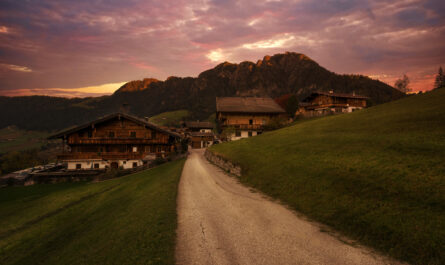
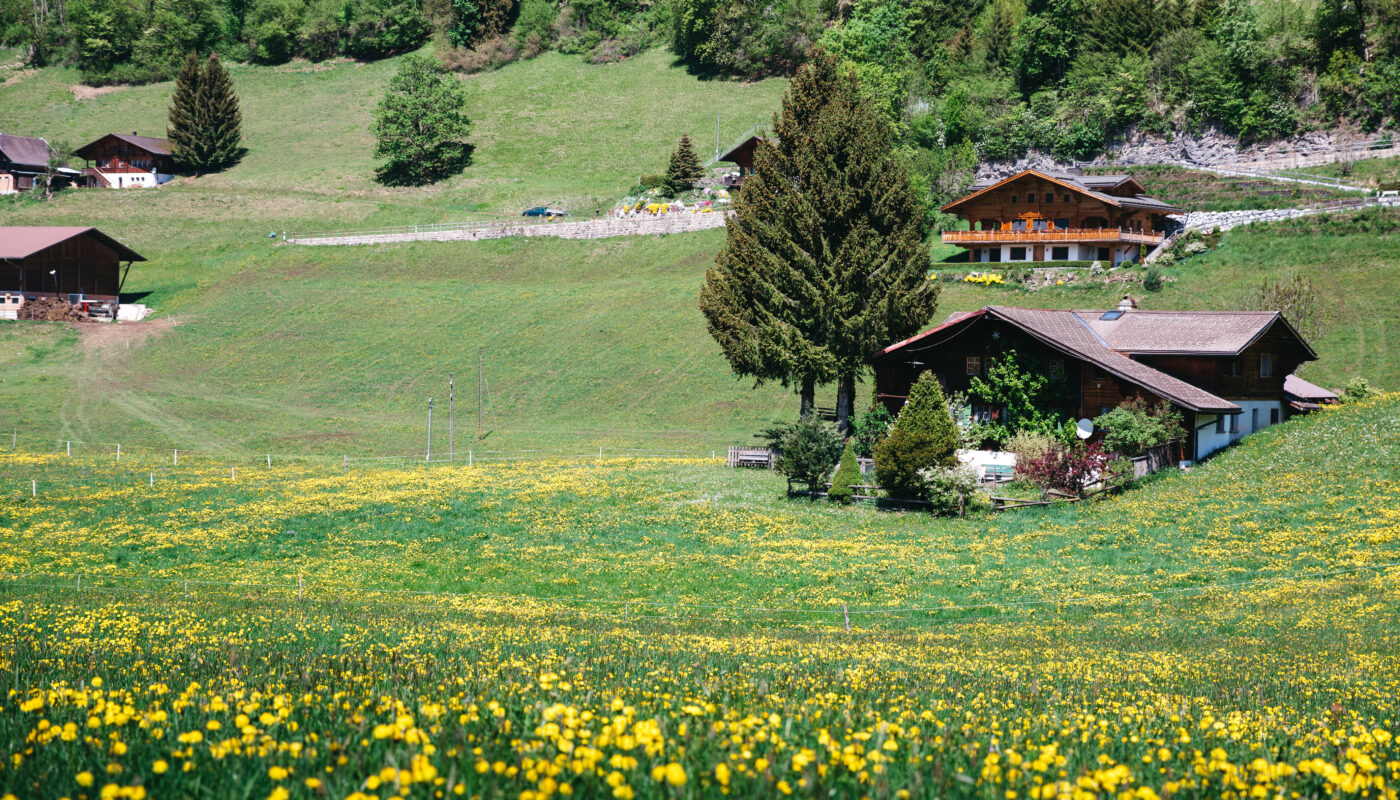
Alpbach sits in the heart of Tyrol, surrounded by rolling alpine meadows and forested peaks. Unlike larger resort towns, it has deliberately limited expansion to preserve its character. Strict building regulations ensure that new structures follow traditional wooden architecture, maintaining a unified aesthetic across the village.
But this isn’t just about appearances. The physical environment plays a central role in shaping how people live. With mountains on all sides, nature is not something separate—it’s woven into daily routines. Whether it’s walking to the local bakery or tending to livestock, residents remain constantly connected to the landscape.
This connection fosters a sense of groundedness. Life here feels anchored, not rushed.
The Rhythm of Daily Life
In Alpbach, the day begins early—but not in a frantic way. Mornings often start with simple routines: opening shutters to mountain views, enjoying a quiet breakfast, or stepping outside for fresh air before work begins.
Many residents work in agriculture, tourism, or small family-run businesses. Unlike large urban economies, work here is often intertwined with home life. A guesthouse owner might greet visitors in the morning and tend to a garden in the afternoon. A farmer may spend the day in alpine pastures, returning home before sunset.
What stands out most is the absence of urgency. Tasks are completed with care rather than haste. Time is not treated as something to be squeezed or maximized, but as something to be experienced.
A Deep Sense of Community
One of the most defining aspects of life in Alpbach is its strong community spirit. With a relatively small population, people know each other well, and social ties are deeply rooted.
Local events, from seasonal festivals to village gatherings, are central to community life. These are not staged performances for tourists—they are genuine expressions of local culture. Participation is often multi-generational, with children, parents, and grandparents all taking part.
In everyday life, this sense of community is equally visible:
- Neighbors greet each other by name
- Local shops serve as social hubs
- Helping one another is a natural expectation
This interconnectedness creates a feeling of belonging that can be hard to find in larger cities.
Tradition as a Living Practice
Alpbach is known for preserving its traditions, but what makes it special is that these traditions are not frozen in time—they are actively lived.
Traditional clothing, such as dirndls and lederhosen, is still worn during festivals and important occasions. Folk music and dance remain integral to celebrations. Seasonal customs, tied to agricultural cycles and religious observances, continue to shape the calendar.
Even architecture reflects this continuity. The village’s commitment to traditional wooden facades ensures that modern development does not erase its heritage.
Importantly, these traditions are not maintained for nostalgia alone. They provide a sense of identity and continuity, connecting residents to their past while guiding how they move forward.
The Influence of Nature on Lifestyle
Nature is not just a backdrop in Alpbach—it dictates the rhythm of life.
Seasonal Living
Each season brings distinct changes:
- Spring signals renewal, with fields turning green and outdoor work resuming
- Summer is active, with hiking, farming, and tourism at their peak
- Autumn is a time of harvest and preparation
- Winter slows everything down, encouraging indoor activities and reflection
Rather than resisting these shifts, locals embrace them. Life flows with the seasons rather than against them.
Outdoor Culture
Daily life often includes time spent outdoors. Walking, hiking, and simply being in nature are not considered leisure activities—they are part of the routine.
Children grow up playing in open spaces, and adults frequently incorporate outdoor movement into their day. This constant exposure to fresh air and natural surroundings contributes to both physical and mental well-being.
A Balanced Relationship with Work
In many parts of the world, productivity is measured by how busy one appears. In Alpbach, the concept of work feels different.
People work hard, especially during peak seasons, but there is a clear boundary between work and personal life. Even during busy periods, there is an emphasis on maintaining balance.
Afternoons might include time for family, a walk through the village, or simply sitting outside and enjoying the view. Evenings are often quiet, spent at home or in small social gatherings.
This approach reflects a broader philosophy: life is not defined solely by work, but by how one spends time outside of it.
Simplicity and Mindful Living
One of the most striking aspects of Alpbach’s lifestyle is its simplicity. This doesn’t mean a lack of comfort, but rather a focus on what truly matters.
Daily routines tend to be straightforward:
- Meals are often homemade using local ingredients
- Shopping is done in small, local stores rather than large supermarkets
- Entertainment comes from conversation, nature, and community events
This simplicity encourages mindfulness. Without constant distractions, people are more present in their daily lives.
The Role of Local Food and Tradition
Food plays an important role in shaping the pace of life. Meals are not rushed; they are moments to pause and connect.
Local cuisine reflects the region’s agricultural roots. Ingredients are often sourced nearby, and recipes have been passed down through generations.
Eating in Alpbach is less about convenience and more about experience:
- Taking time to prepare meals
- Sharing food with family and friends
- Appreciating seasonal flavors
This approach reinforces the idea that life should be savored, not hurried.
A Contrast to Urban Life
For visitors from cities, the pace of Alpbach can feel almost unfamiliar at first. There are fewer distractions, less noise, and a noticeable absence of constant urgency.
But this slower rhythm is not a limitation—it’s a deliberate choice.
In urban environments, efficiency often takes priority. In Alpbach, quality of life takes precedence. Time is not just a resource; it’s something to be enjoyed.
Many visitors find that after a few days, they begin to adapt:
- Walking more slowly
- Spending longer on meals
- Noticing details they would normally overlook
This shift is part of the village’s charm—it gently encourages a different way of living.
Preserving Identity in a Modern World
Despite its traditional character, Alpbach is not disconnected from the modern world. It hosts international events, including the European Forum Alpbach, which brings together thinkers, leaders, and innovators from around the globe.
This combination of tradition and modern engagement is one of Alpbach’s defining strengths. It shows that a community can embrace progress without losing its identity.
Residents have managed to strike a balance:
- Welcoming visitors while maintaining authenticity
- Adapting to change without abandoning tradition
- Preserving a slower pace in a fast-moving world
Why the Pace of Life Matters
The charm of Alpbach lies not just in its beauty, but in how it makes people feel. Its slower pace encourages reflection, connection, and a deeper appreciation for everyday moments.
In a time when many people feel overwhelmed by constant activity, Alpbach offers an alternative perspective. It suggests that:
- Slowing down can enhance quality of life
- Community is as important as individuality
- Nature is not separate from daily living
These lessons resonate far beyond the village itself.
Conclusion
Life in Alpbach is defined by balance—between tradition and modernity, work and leisure, activity and rest. Its charm comes from a way of life that values connection, simplicity, and a deep respect for nature.
The pace here is not slow by accident; it is a reflection of priorities shaped over generations. By embracing this rhythm, residents have created a lifestyle that feels both timeless and deeply fulfilling.
For those who visit, Alpbach offers more than scenic beauty. It provides a glimpse into a different way of living—one where time is not something to chase, but something to cherish.