 by
by When travelers think of the Alps, they often picture high-adrenaline ski runs, crowded mountain peaks, and celebrate-the-moment sightseeing. Yet in the Austrian Tyrolean village of Alpbach, a different kind of travel experience unfolds — one grounded in calm, contemplation, community, and connection to nature. Far from the race-to-the-next-attraction pace of mass tourism, Alpbach invites visitors to slow down, breathe deeply, and savor each moment.
In an era overwhelmed by constant stimulation, slow, mindful travel has emerged as a powerful antidote — encouraging travelers to embrace presence, meaningful engagement, reflection, and cultural immersion. Alpbach — with its traditional wooden architecture, tranquil alpine landscapes, rich cultural heritage, and warm community ethos — is a perfect setting for this kind of journey. Here’s why.
1. A Village Built for Contemplation and Presence
Architectural Harmony
Unlike many European destinations where modern development clashes with traditional identity, Alpbach presents a cohesive and gentle architectural landscape. Almost every house and structure in the village follows a long-standing building guideline based on local wood craftsmanship and Alpine aesthetics. The result is a harmonious villagescape that feels timeless, serene, and ideal for quiet wandering.
Slow travelers — those who value unhurried exploration — find that this visual harmony can profoundly impact the mind. There are no glaring signs, no towering glass hotels, no intrusive billboards. Instead, your eyes rest easily on natural materials, warm tones, and pathways that beckon slow footsteps rather than hurried strides.
Human Scale and Walkability
Alpbach is compact, walkable, and easy to explore without a car. Streets move gently from village center to rolling meadows, encouraging visitors to stroll, pause, and observe. This walkable layout aligns perfectly with mindful travel — a form of tourism that emphasizes sensitivity to environment, local rhythms, and sensory awareness over fast sightseeing.
2. Quiet Nature as a Meditation Partner
Alpine Meadows and Forest Paths
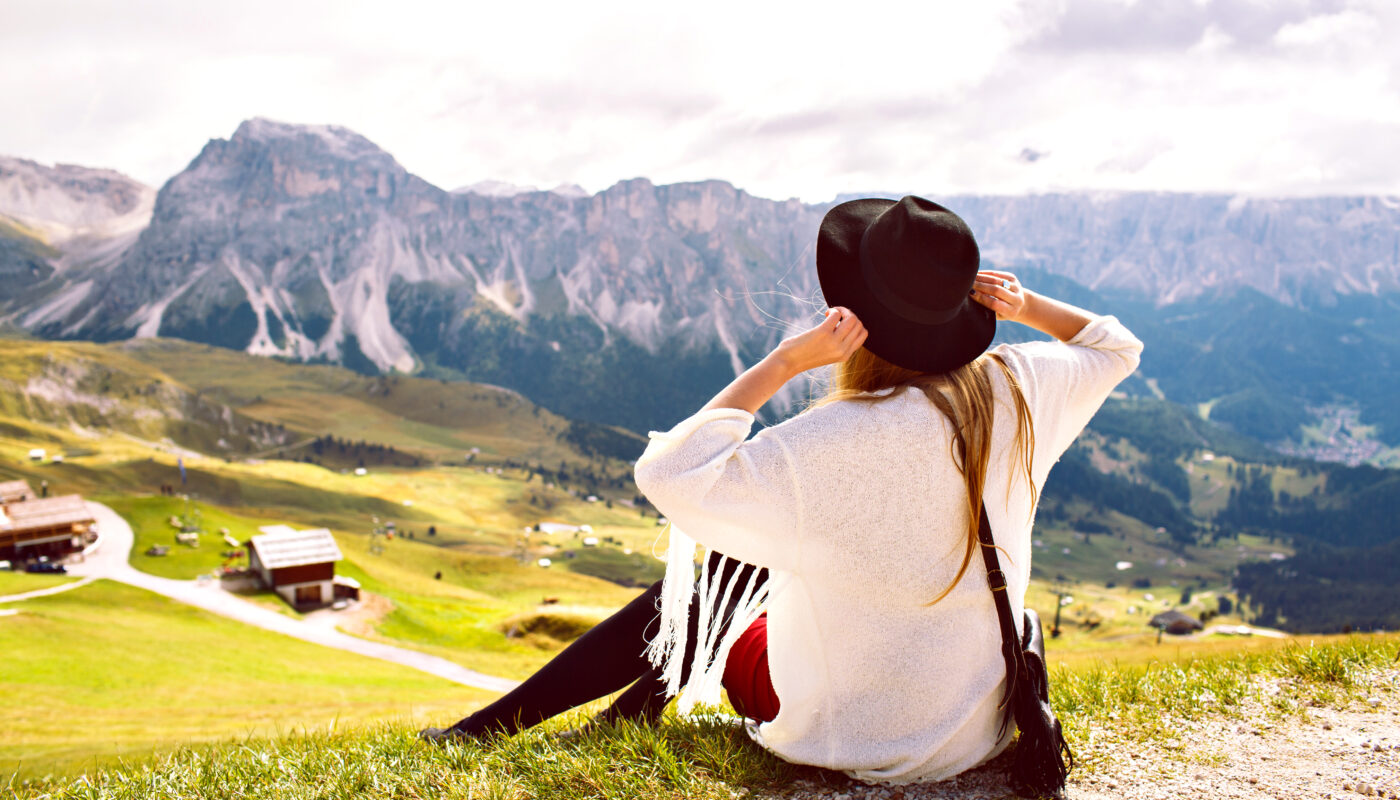
Rising above 1,000 meters (3,280 feet) in elevation, Alpbach is surrounded by lush alpine meadows, forested slopes, and panoramic ridgelines. These landscapes are not merely backdrops for adventure sports — they are invitations to breathe, reflect, and be present in nature.
Slow travel does not seek to conquer landscapes; it seeks to harmonize with them. Hikes here aren’t about speed or distance; they’re about noticing the gentle sway of grasses, the distant glide of mountain shadows, the sound of bells on grazing cattle.
Seasonal Rhythms and Stillness
Each season brings its own pace:
- Spring: Buds unfold slowly, flowers carpet the meadows, waters trickle with thaw.
- Summer: Buzzing bees, warm sun, and quiet lunchtime shutters create gentle rhythms.
- Autumn: Golden tones and crisp air slow steps and sharpen senses.
- Winter: Snow muffles sound, and the village breathes in silence.
Alpbach’s natural environment mirrors the cadence of slow travel — reflective, rhythmic, and deeply present.
3. Guest Culture That Values Hospitality Over Hustle
Local Warmth and Human Connections
Small villages with rooted traditions tend to weave social etiquette and hospitality into daily life. In Alpbach, locals greet visitors with genuine warmth that isn’t transactional. Whether you enter a café, bookstore, church, or farm stall, you experience authentic human exchange rather than tourist-oriented service scripts.
Mindful travel is about human connection, and Alpbach’s residents make this easy — not by force, but by normal practice. Conversations here feel grounded, sincere, and unhurried.
Community Events That Encourage Participation
Throughout the year, Alpbach hosts cultural and community gatherings — from musical evenings and folk celebrations to lectures and workshops. What they share is a focus on presence, curiosity, and shared experience rather than spectacle. These events open doors for deeper engagement and help travelers feel less like observers and more like participants.
4. Slow Culinary Experiences
Farm-to-Table Traditions
While many mountain destinations now feature international fusion menus, Alpbach remains connected to its agricultural roots. Seasonal menus and farm-to-table dishes emphasize local provenance, simple ingredients, and thoughtful preparation. Dining here is not punctuated by rushed courses or forced entertainment — it’s about savoring flavors, celebrating harvests, and honoring the land.
Popular traditional dishes — such as rassig alpine rosti or herb-infused soups — aren’t just meals; they reflect the relationship between people and landscape.
Cafés, Bakeries, and Coffee Culture
Smaller cafés in Alpbach prioritize conversation and lingering. Sitting with a coffee on a terrace overlooking meadows doesn’t feel like filling a gap between activities — it is an activity. Eating slowly, watching shadows and sunlight shift, and listening to distant cowbells become part of the mindful travel experience.
5. A Unique Blend of Reflection and Intellectual Engagement
European Forum Alpbach
Perhaps the most intriguing feature of Alpbach’s cultural life is the European Forum Alpbach — an interdisciplinary gathering that bridges thought, policy, science, and culture. While most participants attend seminars, panels, and dialogues on pressing global issues, the real influence of the forum on Alpbach lies in the intellectual atmosphere it creates all year long.
Even outside the formal forum weeks, the village maintains a culture of reflection and dialogue. Bookstores carry thoughtful titles; local audiences value conversation; events invite participation rather than performance.
This intellectual tempo meshes beautifully with mindful travel — visitors are encouraged to think deeply, connect meaningfully, and reflect personally.
6. Nature Immersion That Encourages Mindfulness
Quiet Trails and Observation Points
Compared to more crowded alpine hubs, Alpbach’s trails are generous with space and solitude. Paths like the gentle Berglisee loop or the ridge walks toward Wiedersbergerhorn are perfect for travelers seeking silence, panoramic views, and reflective movement rather than physical challenge alone.
Slow travel in nature isn’t about covering terrain — it’s about being with it.
Mindful Wildlife Encounters
Birdsong, marmots, alpine flora, and grazing cattle become companions on extended walks. Rather than chasing rare sightings or “photo opportunities,” mindful travelers in Alpbach learn to appreciate the ordinary moments — the breeze over wildflowers, the texture of moss on old stone, the light across a valley at dawn.
7. Welcoming Accommodations Suited to Slow Travel
Family-Run Guesthouses
Many accommodations in Alpbach are family-owned, with owners who have lived in the valley for generations. These guesthouses emphasize hospitality, comfort, and personal touch over luxury trappings. Conversations at breakfast tables often turn to local stories, seasonal conditions, and personal anecdotes — adding depth and context to your visit.
Wellness Inns and Spa Experiences
Slow travel also honors well-being and restoration. Several Alpbach inns and small spas offer wellness programs that complement the mountain setting — yoga sessions with sunrise views, spa treatments using herbal Alpine essences, and Saunas overlooking snowy slopes.
These spaces encourage travelers to rest fully, aligning body and mind with the environment.
8. A Cultural Tempo Far From Fast Tourism
No Frenzied Sightseeing Lists
Unlike cities packed with must-see attractions in every neighborhood, Alpbach’s appeal is its absence of frantic sightseeing pressure. There are no queues, no crowded plazas, no rushed timetables. This allows travelers to decide their own pace — to wander, rest, watch the seasons change, or sit by a window with warm tea.
Reconnecting With Your Own Rhythm
Travel can become more meaningful when it returns power to the traveler — not to playlists, Instagram checklists, or packed itineraries, but to personal curiosity and sensation. Alpbach invites this renewed sense of agency: choose a trail, listen to the wind, share stories with locals, or recline in a meadow.
Here, time is not measured in attractions ticked off a list, but in moments fully lived.
9. Seasonal Experiences for Every Pace
Spring Awakening
As snow retreats, the valley fills with blossoms and rushes of new life. Spring’s soft temperatures and gentle colors create a perfect setting for contemplative walks and fresh beginnings.
Summer Meadows
Long summer days invite picnics, forest paths, lakeside reflection, and feasts in outdoor gazebos — all without urgency.
Autumn Harvest
Golden landscapes and crisp air encourage quiet walks, cider tastings, and intimate communal events. Autumn’s pace is contemplative and gentle.
Winter Silence
Snow blankets paths and prunes sound, creating a serene atmosphere perfect for quiet skiing, snowshoeing, or sitting beside a crackling fire.
Each season supports distinct rhythms, yet all share the slower cadence that defines mindful travel in Alpbach.
10. Practical Tips for Mindful Travelers in Alpbach
Here are ways to make your visit even more reflective and present:
1. Limit Screen Distractions
Try to engage with what’s around you rather than documenting every moment. Photos are memories — but moments lived are deeper.
2. Choose Walkable Routes
Skip busier bus routes and take gentle village walks, meadow trails, or forest paths instead.
3. Engage With Locals
Ask questions about seasonal life, past events, or food traditions — locals often love to share.
4. Practice Mindful Meals
Savor meals without rushing, appreciating ingredients and techniques unique to the region.
5. Silence and Stillness
Take intentional pauses — sitting in a meadow, watching clouds drift, or listening to distant bells.
Conclusion: Alpbach as a Sanctuary of Presence
Alpbach isn’t just another alpine village — it is a destination that nourishes the inner traveler. Its architectural harmony, seasonal beauty, communal warmth, and cultural depth make it an ideal home for slow, mindful travel. Visitors who arrive with open senses, receptive minds, and gentle intentions find that Alpbach offers something rare in contemporary tourism: space to breathe, think, feel, and simply be.
In a world that constantly pushes us to move faster, Alpbach reminds us that the richest journeys aren’t measured in miles traveled — they are measured in moments deeply felt, quiet conversations, and a restored sense of self.