 by
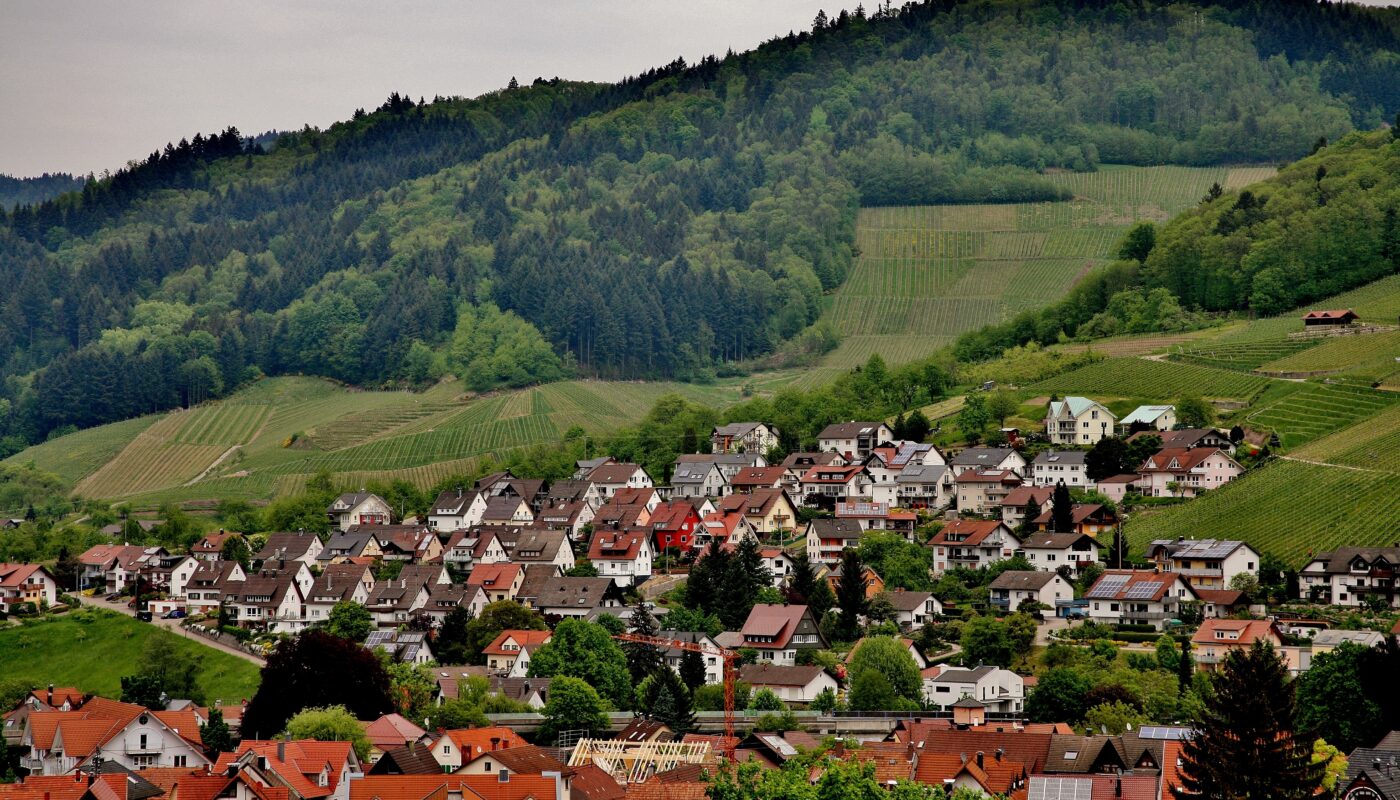
by Alpbach may be one of Austria’s most picturesque villages — its charm captured in every turreted rooftop, flower-clad balcony, and timber-edged home — but beyond its postcard perfection is a living, breathing community shaped by tradition, nature, and a rhythm of life that balances work, leisure, and connection. Far from being frozen in time, Alpbach is a village where centuries-old cultural customs merge seamlessly with contemporary living.
For visitors, this might look like a serene holiday destination nestled in the Tyrolean Alps. But for those who call Alpbach home, it is the backdrop to a fulfilling, grounded, and intentional daily life. What do real days in Alpbach look like? What do residents prioritize? How does the community interact with the landscape? Let’s walk through an immersive portrait of local life — from sunrise chores to evening social routines — and uncover what makes daily living in Alpbach both unique and deeply satisfying.
Morning: Where Routine Meets Alpine Peace
Sunrise in the Mountains
Most days in Alpbach begin early with a quiet reverence for the landscape. Long before tourism fills the village lanes, residents greet the morning with cool, fresh air and the sound of birds warming up for the day. Even in winter, when snow blankets the valley, the first glow of light transforms the alpine peaks into hues of rose and gold.
Breakfast at Home
Breakfast in Alpbach tends to be wholesome and simple, often featuring:
- Fresh bread or rolls from the local bakery
- Butter and homemade preserves
- Locally produced honey and cheese
- Strong coffee or herbal tea
For many families, breakfast is a moment to connect before work and school begin — a slow, grounding ritual that sets the tone for the day.
Work, School, and Life Integration
Alpbach may be small, but it supports a full spectrum of daily life — including education and professional activity.
School Days
Children head to the village school on foot or by bike, often accompanied by neighbors or siblings. Class sizes are small, fostering a sense of community among students and teachers alike.
Commuting and Local Jobs
Not everyone works within the village, but commuting rarely means long distances. Many residents are employed in:
- Tourism and hospitality
- Agriculture and alpine farming
- Education and public services
- Local crafts and small businesses
During the peak season, tourism becomes a dominant force in the local economy. Restaurants, inns, and alpine huts welcome guests daily, and many residents supplement their work by taking seasonal roles in hospitality or guiding.
Midday: Life in Motion — Work, Meals, and Community
Balancing Professional Life and Alpine Pace
By mid-morning, the rhythm of Alpbach’s working world is underway. Some residents tend to livestock or manage dairy production in alpine pastures, while others run shops, support local infrastructure, or work in nearby towns. Regardless of profession, there is a shared understanding that work must fit into the natural cadence of the village.
Field workers move with the seasons, adjusting daily activities based on weather and pasture conditions. Meanwhile, business owners tend to local and visiting customers with the warmth and hospitality that define the region.
Lunch — A Midday Highlight
Lunch in Alpbach often brings a moment of pause — especially for those working locally. Traditional lunch might include:
- Rich soups or stews (often with root vegetables and herbs)
- Hearty dumplings or alpine cheese dishes
- Bread with spreads from local farms
- Seasonal fruits or compotes
For those working outdoors, lunch may happen at an alpine hut, where simple yet nourishing food is served with expansive views. These shared meals emphasize sustenance and connection rather than rush.
The Village Square: Social Heartbeat at Noon
The village square remains an essential communal space. Midday is when locals often cross paths — greeting one another with nods, brief chats, or warm smiles. Information flows in these moments: updates on weather, plans for local events, news from neighboring valleys, and friendly commentary on daily life.
Afternoon: Nature, Neighbors, and Personal Time
Afternoons That Embrace Outdoor Living
For many residents, afternoons are spent outside — whether at work or leisure. Hiking trails, forest paths, and alpine meadows become extensions of home rather than day trip destinations. Here, nature isn’t just a backdrop; it is woven into daily life.
Farmers may spend long hours tending to cattle, sheep, or goats. Foresters manage woodlands that have been sustainably cared for over generations. Trail stewards maintain paths used by locals and visitors alike.
Even people with office-based jobs often make time for a short walk in nature after work — a practice deeply connected to physical and mental wellbeing.
After School and Early Evenings
After school hours, children might gather in small groups to play along village lanes or help with light chores. There is a noticeable sense of freedom and safety in this — a close-knit environment where kids can explore alongside adults who know and look out for them.
Adults often rotate between work commitments, social gatherings, and personal hobbies. Some tend vegetable gardens, practice traditional crafts, or engage in small projects that reflect personal interests.
Small Rituals That Bind the Community
In the afternoon, many residents still carve out small rituals:
- A tea or coffee break at a nearby café
- Checking in with neighbors
- A brief stroll past the church or community hall
- Tending flowers and greenery that adorn every balcony
These rituals may seem simple, but over time they cultivate belonging and continuity.
Evening: Shared Meals, Conversations, and Quiet Nights
Dinner at Home and Communal Tables
Dinner in Alpbach is an occasion for connection. Whether at home with family or at a local inn with friends, meals are rich in flavor and warmth. Common evening dishes might include:
- Roast meats with root vegetables
- Alpine cheese fondue or raclette
- Fresh salad greens with local herbs
- Homemade desserts like strudel or fruit compote
The emphasis is on comfort, nourishment, and conversation — an intentional end to a day shaped by nature and community.
Community Events and Local Festivals
Evenings can also bring local gatherings. Depending on the season, residents might attend:
- Traditional music events
- Folk dances in the community hall
- Storytelling nights led by elders
- Seasonal celebrations tied to harvests or holidays
These events forge social bonds across generations and help preserve customs that are central to Alpbach’s identity.
Night Walks and Quiet Reflection
As the sun sets behind the peaks, a different kind of calm settles over the village. Street lights cast soft glows on cobblestones, and the scent of wood stoves drifts through the air. Residents often take short evening walks, breathing in cool mountain air and reflecting on the day.
In winter, the sky fills with stars unobstructed by city lights, and the quiet feels deep and restorative. In summer, long twilight lingers, extending the day’s warmth into leisurely nighttime conversations.
Weekends: A Blend of Rest, Work, and Tradition
Weekends in Alpbach are rhythms of their own — neither frenetic nor stagnant. Saturdays might include a mix of chores, outdoor adventure, or cultural events. Sundays traditionally start with church services followed by family meals and relaxation.
For many residents, weekends are a time to:
- Visit nearby alpine huts for hikes
- Host or attend community gatherings
- Catch up with extended family
- Prepare foods for the week ahead
Rather than a full stop in activity, weekends blend rest with purposeful engagement.
Seasonal Life and Its Influence on Daily Rhythms
Alpbach’s life is deeply seasonal — not in a romanticized way, but in a practical, lived experience.
Spring: Renewal
Fields come alive, livestock move to higher pastures, and gardening starts. Days lengthen, and there is a palpable sense of reinvigoration.
Summer: Energetic and Active
Tourism peaks, local farms thrive, and outdoor activities are abundant. Days are full, warm, and long — residents work and play with equal enthusiasm.
Autumn: Calm Productivity
Harvest time, wood preparation for winter, and cultural festivals define the rhythm. There’s movement, but the pace shifts toward reflection and preparation.
Winter: Quiet and Close-Knitted
Snow transforms the village. While tourism continues, there’s a slower rhythm to resident life — shorter days, more communal time indoors, and a deep connection to seasonal traditions.
What Makes Life in Alpbach Special
Several themes consistently emerge when describing daily life here:
Community First
Alpbach’s residents know their neighbors, share in celebrations and challenges, and support one another with an understated generosity.
Nature as Daily Companion
The land isn’t a scenic backdrop; it is central to physical work, leisure, and daily inspiration.
Tradition and Modern Life Intertwined
Modern comforts exist alongside century-old customs, and residents embrace both with balance.
Rhythms Over Routines
Days are organized according to natural cycles — light, weather, seasons — rather than rigid schedules.
Conclusion: A Day in Alpbach — Quiet, Meaningful, Alive
Life in Alpbach moves at a pace shaped by nature, community, and intention. Residents rise with the light, balance work and connection, and take time to savor meals, landscapes, and one another’s company. Their days may lack the rush of big cities, but they are rich with presence, purpose, and belonging.
For those seeking a life marked by coherence between place and people, Alpbach offers a model that is both timeless and deeply practical — a life where each day carries nuance, calm, and meaning.