 by
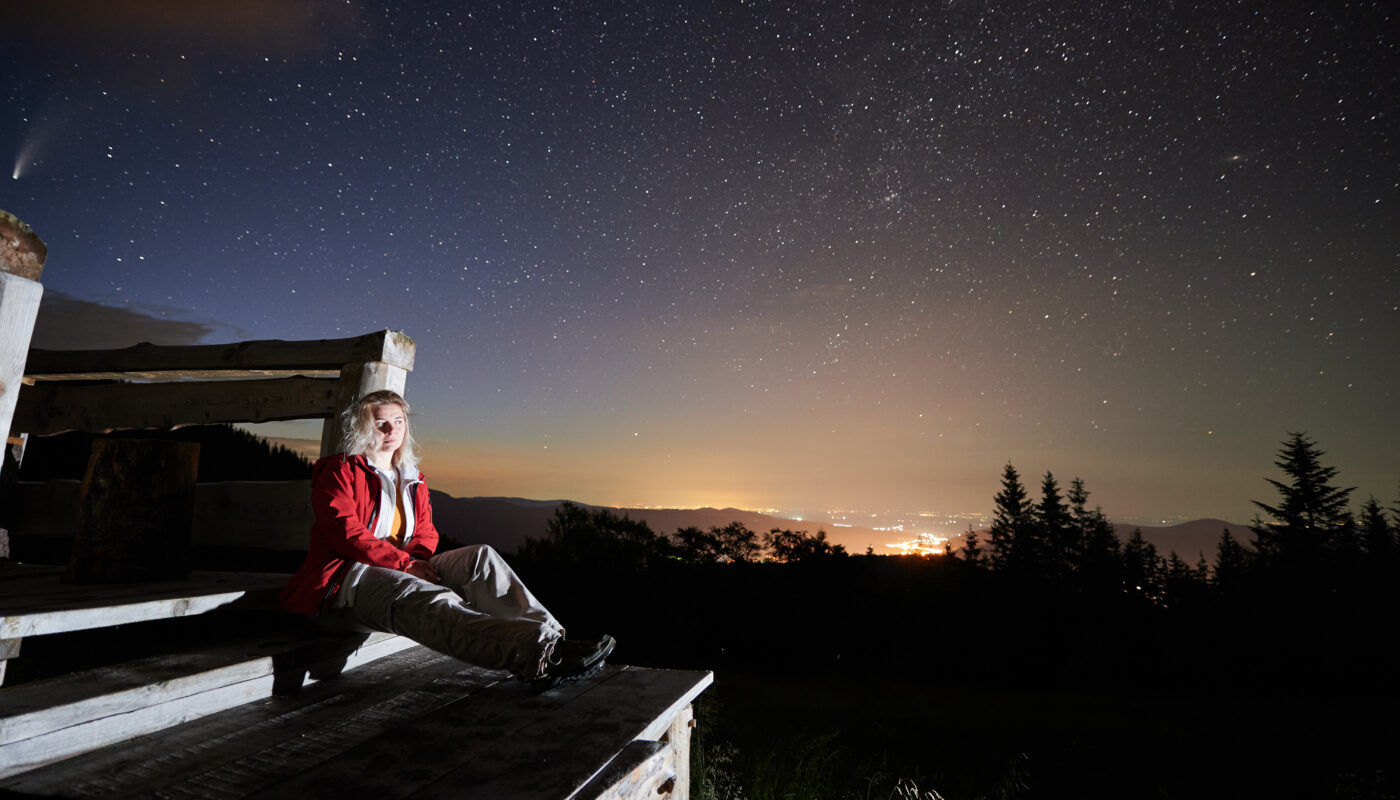
by With its breathtaking alpine landscapes, clean mountain air, and minimal light pollution, Alpbach in the Austrian Tirol is not just a destination for summer hiking and winter sports—it’s also a sanctuary for stargazers. Far from the glow of urban centers, this charming village and its surrounding highlands offer some of the most spectacular night skies in Europe. Whether you’re a novice skywatcher, a serious amateur astronomer, or simply someone who loves to lie back and watch stars shimmer overhead, Alpbach is an ideal place to connect with the cosmos.
In this comprehensive guide, we’ll explore the best stargazing spots around Alpbach, explain what makes the night skies here so special, offer practical tips for sky observation, and suggest the best times and conditions for a memorable celestial experience.
Why Alpbach is Perfect for Stargazing
Before diving into specific locations, let’s understand why Alpbach is such an extraordinary place to observe the night sky.
🌌 Low Light Pollution
Alpbach is nestled deep in the Alps, far from large cities and electronic glare. Because of its rural setting and thoughtful municipal lighting policies, the night sky here retains exceptional darkness, making stars, planets, and even diffuse features like the Milky Way visible to the naked eye.
🏔️ High Elevation
The village sits at roughly 1,000 meters above sea level, and many surrounding meadows and peaks rise to 2,000 meters or more. This altitude places observers above much of the atmospheric haze and humidity found at lower altitudes, providing clearer and more detailed views of celestial objects.
🌟 Clean Alpine Air
The air in the mountains is usually clear for stargazing because it is dry and free of dust and urban haze. The result: sharper star points and deeper celestial contrast.
🌙 Wide Open Horizons
Unlike locations hemmed in by trees or high buildings, Alpbach’s open alpine meadows and ridgelines give observers expansive views of the sky, from horizon to zenith.
What You Can See in the Alpbach Skies
In Alpbach’s dark night sky, a remarkable variety of stars and astronomical objects become visible:
- The Milky Way: A bright band stretching across the sky during summer months.
- Planets: Venus, Mars, Jupiter, and Saturn are often visible to the naked eye or with binoculars.
- Star Clusters: The Pleiades, the Hercules Cluster, and more.
- Constellations: Cygnus, Orion, Ursa Major, and others.
- Meteor Showers: Annual events like the Perseids and Geminids.
- Auroras: Rare, but possible during high solar activity.
While telescopes add depth and detail, Alpbach’s skies are rewarding even without optical aids.
Best Spots in Alpbach for Stargazing
Here are the top places to enjoy the celestial show, ranging from easy access locations to hidden high-alpine gems.
🌠 1. Alpbach Center Meadows
Accessibility: Easy
Ideal for: Families, casual stargazers, photography
Located just a short walk from Alpbach’s center, the central meadows provide a convenient and comfortable spot for stargazing. In summer, these grassy fields are soft underfoot and perfect for laying out a blanket, while winter nights sparkle with cold clarity.
Why it’s great:
- Close to accommodations and eateries
- Wide open views of the southern and eastern sky
- Minimal ambient lighting
Tips:
Set up near the edge of the meadow away from street lamps for the darkest skies.
🌌 2. Reitherkogel Plateau
Accessibility: Moderate (hike or cable car)
Ideal for: Deep sky viewing, Milky Way photography
The Reitherkogel Plateau rises above Alpbach and offers elevated vantage points with stunning horizons in nearly every direction. This spot is popular with photographers seeking foreground interest—meadows, peaks, or chalet rooftops beneath star trails.
Why it’s great:
- Higher altitude = clearer skies
- Excellent views of the southern horizon
- Fewer light reflections from the village below
Tips:
Arrive before sunset to plan your framing and allow your eyes to fully adjust to the dark.
🌟 3. Wiedersbergerhorn Ridge
Accessibility: Moderate to Challenging (hike or chairlift + hike)
Ideal for: Advanced observers, group outings
At a higher elevation, the Wiedersbergerhorn ridge gives sky watchers a chance to escape even more atmospheric interference. On clear nights, the ridge becomes a silent observatory under sweeping celestial vistas.
Why it’s great:
- Very low atmospheric distortion
- Panoramic views 360°
- Ideal for telescope setups
Tips:
Bring warm clothing and plan for changing weather. Even in the summer, temperatures can drop precipitously after nightfall.
🌌 4. Green Lake (Grüner See) Area
Accessibility: Moderate
Ideal for: Landscape & sky blends, still photography
The Green Lake area is not only stunning by daylight but becomes a magical place at night. Reflections of stars on still water add an extra layer of beauty to long-exposure photography.
Why it’s great:
- Reflective water surface enhances night sky visuals
- Quiet and secluded
- Great for astrophotography foregrounds
Tips:
Set up slightly elevated from the water’s edge to avoid dew or condensation on equipment.
🌠 5. Wiedersbergerhorn Summit
Accessibility: Difficult (seasonal)
Ideal for: Dedicated skywatchers and astrophotographers
For those up for a challenge, the summit of Wiedersbergerhorn provides one of the most unobstructed celestial theaters in the region. This is a spot where sky meets mountain edge in a dramatic sweep of light and darkness.
Why it’s great:
- Highest elevation with minimal air interference
- Spectacular Milky Way alignment in summer
- Low vibration and human disturbance
Tips:
Check weather and route conditions carefully. Summits at night require good gear and planning.
Tips for Stargazing Success in Alpbach
Stargazing can be casual or technical, but these tips will help you get the most out of your experience:
🌙 Let Your Eyes Adjust
It takes about 20–30 minutes for the human eye to fully adapt to darkness. During this period, stay away from bright lights and screens.
🧥 Dress Warmly
Mountain nights—even in summer—can be chilly. Layers, hats, and gloves improve comfort during longer observation sessions.
🔭 Bring Binoculars or a Telescope
Even a basic pair of binoculars reveals star clusters, lunar craters, and Jupiter’s moons—enhancing the experience.
📱 Use Stargazing Apps
Mobile apps can help identify constellations, planets, and celestial events in real time.
🪑 Comfort Enhances Experience
A reclining chair, sleeping pad, or picnic blanket improves comfort for longer sessions.
💡 Use Red Light Only
If you need a light source, use red LEDs to preserve night vision.
Best Times for Stargazing in Alpbach
The clarity and beauty of the night sky vary throughout the year. While Alpbach’s alpine nights are striking year-round, some seasons and events are especially rewarding.
🌌 Summer (June–August)
Highlights:
- Milky Way nearly overhead
- Pleasant evening temperatures
- Long nights
Summer is arguably the best season for stargazing in Alpbach. The Milky Way’s core is visible after sunset, and warm nights make outdoor observation comfortable.
Notice:
Occasional thunderstorms can disrupt visibility. Check local weather before planning.
🌠 Autumn (September–October)
Highlights:
- Crisp air and clear skies
- Early nightfall
- Geminid meteor showers peak later in the season
Autumn brings some of the clearest skies of the year. Cooler temperatures reduce atmospheric interference, and fall nights tend to be exceptionally transparent.
🌙 Winter (November–February)
Highlights:
- Very dark nights
- High contrast star views
While winter nights are cold, they are also long and deeply dark. With snow reflecting moonlight, the landscapes assist in balancing foreground exposure for photographers.
Tip:
Dress extremely warmly; frostbite and cold-weather challenges require careful preparation.
☀️ Spring (March–May)
Highlights:
- Clear transition nights
- Increased astronomical events
Spring offers a mix of clear skies and milder temperatures. Nights are gradually shortening, but stargazing remains rewarding.
Special Astronomical Events in Alpbach
Stargazing becomes even more magical during annual celestial events:
⭐ Perseid Meteor Shower (August)
One of the most anticipated meteor showers, with dozens of shooting stars per hour under dark skies.
⭐ Geminid Meteor Shower (December)
Another spectacular event visible from Alpbach’s winter skies.
🌑 New Moon Nights
Without moonlight, faint stars, nebulas, and the galaxy’s structure become more visible.
Why Stargazing Matters
Stargazing is more than just an outdoor hobby—it connects us deeply to the universe. It inspires curiosity, calm, and perspective. In a place like Alpbach, where natural beauty already captivates the senses, the night sky becomes a canvas that invites reflection, wonder, and awe.
Conclusion: The Night Sky Awaits
Alpbach’s night skies are a hidden treasure of the alpine world. From accessible meadow views to high-ridge summits, the region offers a variety of stellar experiences suited to all ages and interests. Whether you’re simply gazing up on a quiet summer night or traveling specifically for astrophotography and celestial study, Alpbach’s dark skies are ready to reveal nature’s grandest spectacle.
So pack your binoculars, lay out a blanket, and let your eyes wander into the cosmos—because in Alpbach, the stars aren’t distant—they feel within reach.