 by
by Spring arrives gently in Alpbach. There is no sudden transformation, no dramatic switch from winter to summer. Instead, the village and its surrounding mountains awaken slowly, almost thoughtfully. Snow withdraws from the lower slopes, streams begin to murmur again, and the meadows—long muted by frost—start to glow with green. For travelers who value calm landscapes, uncrowded trails, and the simple pleasure of watching nature return to life, spring is one of the most rewarding times to visit this Tyrolean mountain village.
Nestled high in the Alpbachtal valley of Austria, Alpbach is famous for its traditional wooden architecture, flower-adorned balconies, and a strong sense of harmony between village life and nature. Spring enhances this harmony. It is a season of renewal, color, and quiet beauty—an ideal time to experience Alpbach at a slower, more intimate pace.
The Atmosphere of Spring in Alpbach
Spring in Alpbach is defined by stillness rather than spectacle. Unlike the busy summer months or the energetic winter ski season, spring offers breathing room. Visitor numbers are lower, the pace of village life is relaxed, and nature feels close and personal.
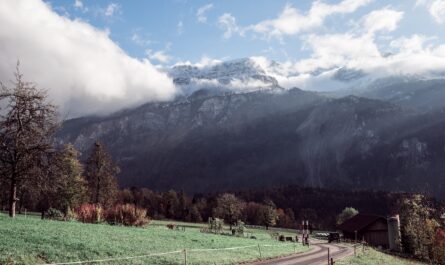
Days gradually grow longer, and sunlight begins to reach deeper into the valley. Morning air is crisp and clean, while afternoons often bring gentle warmth. The contrast between lingering snow on distant peaks and freshly blooming meadows below creates a striking visual balance—winter and summer briefly sharing the same landscape.
This in-between season invites reflection. Church bells echo softly across the hills, cows begin to return to pasture, and locals prepare gardens and balconies for the months ahead. For travelers seeking authenticity rather than entertainment, spring reveals Alpbach at its most genuine.
Wildflowers: A Living Alpine Tapestry
One of the most enchanting aspects of visiting Alpbach in spring is the gradual emergence of wildflowers. Alpine flora does not appear all at once; instead, it follows the retreating snowline upward through the valley and mountains.
Early Spring Blooms (April to Early May)
In the lower meadows and along forest edges, the first signs of life appear as soon as the ground softens. Crocuses push through the soil, their purple and white petals standing out against pale grass. Primroses cluster along paths, while dandelions paint entire fields gold. These early blooms attract bees and butterflies, reintroducing movement and sound to the quiet landscape.
Mid-Spring Meadows (May to June)
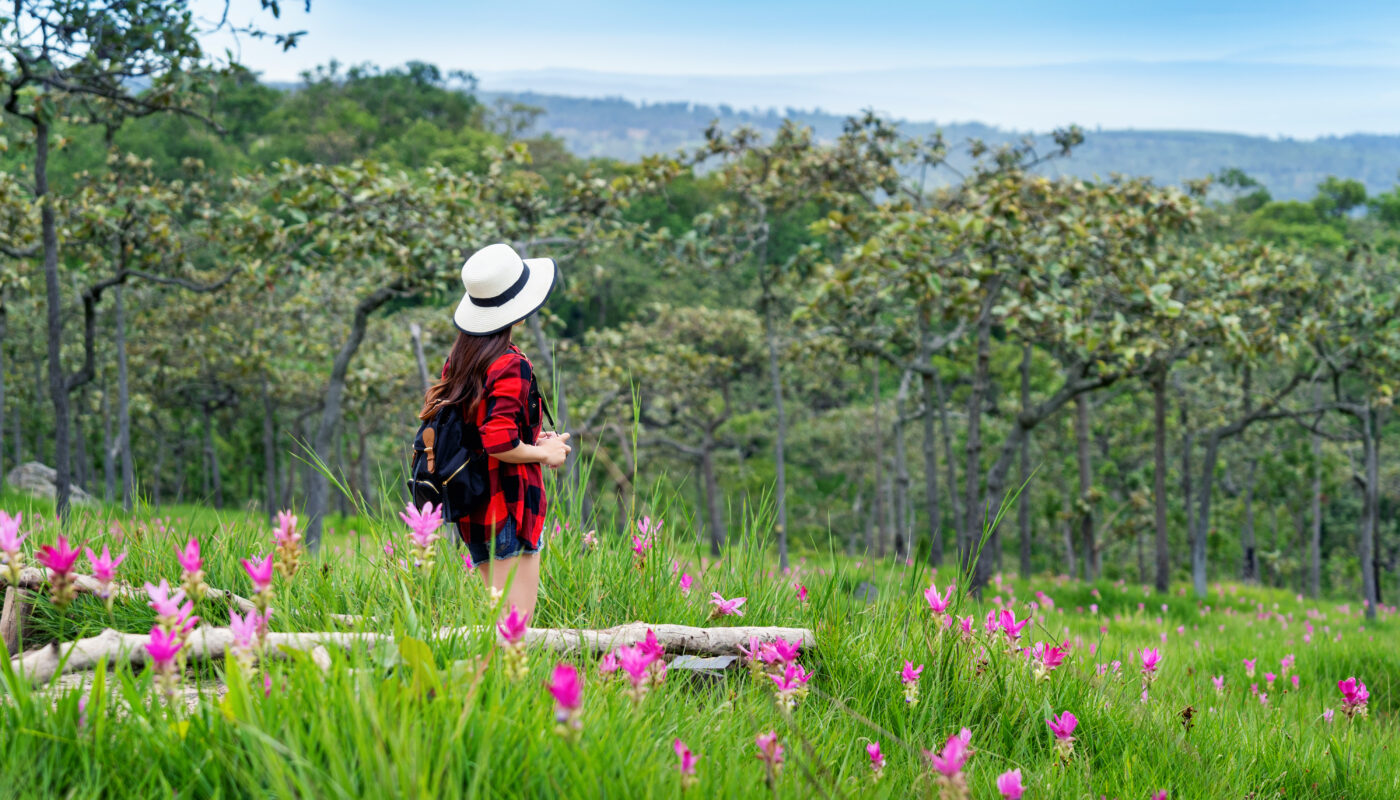
As temperatures rise, the meadows around Alpbach become a mosaic of color. Buttercups, daisies, clover, and alpine violets spread across hillsides. Traditional hay meadows—carefully maintained by local farmers—are especially rich in plant diversity. Walking through these areas feels like stepping into a living painting, where every step reveals a new detail.
Higher Alpine Flowers (Late Spring to Early Summer)
As snow melts at higher elevations, more delicate alpine species emerge. Gentians, alpine roses, and saxifrages bloom in sheltered areas near rocky slopes. These flowers are smaller, tougher, and perfectly adapted to short alpine summers. Reaching them often requires a longer hike, but the reward is a sense of discovery and solitude.
Importantly, wildflowers in Alpbach are protected. Visitors are encouraged to admire them in place, ensuring that these fragile ecosystems remain healthy for future seasons.
Trails Made for Spring Walking
Alpbach is not about extreme hiking or conquering peaks—especially in spring. The real pleasure lies in walking through landscapes that change gradually, offering constant visual interest without physical strain. Many trails are ideal for spring conditions, especially at lower and mid elevations.
Village and Panorama Walks
Gentle paths wind directly from the village into surrounding meadows. These walks are perfect for the first day, helping visitors adjust to altitude and rhythm. Elevated footpaths offer panoramic views of the valley, traditional farmhouses, and blooming slopes without requiring significant elevation gain.
Forest Trails
Spring is magical in the forests around Alpbach. Sunlight filters through budding leaves, illuminating carpets of moss and wildflowers. These shaded trails are especially pleasant on warmer days and often follow streams fed by melting snow. The sound of water adds to the sense of calm and renewal.
Meadow and Pasture Routes
Higher meadow paths open as snow recedes, leading through grazing areas and alpine pastures. These trails provide a direct connection to traditional mountain life. Wooden fences, grazing animals, and old farm huts give context to the landscape, reminding walkers that these meadows are both natural and cultural spaces.
Longer Spring Hikes
For experienced walkers, spring also offers longer routes that gradually climb toward higher viewpoints. While some high alpine trails remain snow-covered until early summer, many mid-level hikes provide stunning vistas and access to late-spring blooms without technical difficulty.
Quiet Beauty and the Art of Slow Travel
What truly defines Alpbach in spring is quiet beauty. This is not a destination for ticking off attractions; it is a place to linger.
Sitting on a wooden bench above the village can be just as rewarding as completing a hike. Watching clouds drift across peaks, listening to birdsong, or observing the subtle movement of light across the valley encourages a mindful approach to travel.
Spring also allows for spontaneous moments. Without crowds or strict schedules, days unfold naturally. A short walk might turn into a long afternoon picnic. A planned hike may end early because a meadow proves too inviting to leave. This flexibility is part of Alpbach’s charm.
Weather and What to Expect
Spring weather in the Alps is famously variable. Travelers should expect a mix of conditions and embrace the unpredictability as part of the experience.
- Mornings: Cool and fresh, often with dew on the grass
- Afternoons: Mild to warm, especially in sunshine
- Evenings: Cooler again, perfect for quiet dinners indoors
- Rain: Occasional showers help bring out the greens and colors
Packing layers is essential. A waterproof jacket, sturdy walking shoes, and sun protection are all important. Spring is also a season of contrast—warm sun and lingering snow can exist side by side.
Village Life in Spring
Alpbach itself is as much a highlight as its surrounding nature. In spring, the village feels lived-in rather than staged. Residents prepare guesthouses, repair balconies, and tend gardens. Flower boxes begin to fill, though they reach full splendor later in summer.
Local inns and cafés offer a warm welcome, often with quieter dining rooms and attentive service. Spring menus feature hearty Tyrolean dishes, perfect after a day outdoors. This is also an ideal time to speak with locals, who are less busy than during peak seasons and often happy to share stories about the valley.
Photography and Creative Inspiration
For photographers, painters, and writers, spring in Alpbach is deeply inspiring. The soft light, changing weather, and abundance of natural detail offer endless creative possibilities.
Morning mist rising from meadows, sunlight breaking through clouds, and fresh flowers against dark wooden chalets create natural compositions. Even simple scenes—a path through grass, a single bloom by a fence—carry emotional weight in this season of renewal.
Responsible Travel in Spring Landscapes
Spring is a sensitive time for alpine environments. Plants are fragile, wildlife is active, and grazing animals may have young nearby. Visitors are encouraged to:
- Stay on marked paths
- Avoid trampling meadows
- Keep dogs leashed
- Respect farming activities
- Leave no trace
By traveling responsibly, visitors help preserve the very beauty they come to experience.
How Long to Stay and When to Go
A stay of three to five days is ideal for a spring visit. This allows time for varied walks, rest days, and unplanned discoveries. Late April through June offers the best balance of blooming meadows, open trails, and peaceful surroundings, though exact conditions vary by year.
Final Reflections: Why Spring in Alpbach Stays With You
Visiting Alpbach in spring is not about excitement or spectacle. It is about subtle pleasures: the first wildflower of the season, the warmth of sun after a cool morning, the quiet satisfaction of walking without hurry.
This season reveals the village and its landscape in a raw, honest way. Without crowds or distractions, Alpbach invites you to notice details—to slow your breath, open your senses, and reconnect with the natural rhythm of the mountains.
Long after you leave, memories of spring in Alpbach linger gently, much like the season itself: quiet, colorful, and deeply restorative.