 by
by Alpbach is often celebrated as one of Austria’s most beautiful mountain villages, but its significance extends far beyond its charming wooden houses and flower-filled balconies. Situated in the heart of the Alps, it forms an important part of the wider Tyrol region—a landscape known for its dramatic peaks, deep valleys, and strong cultural identity.
To understand Alpbach properly, one must see it not as an isolated destination but as a village deeply woven into the geographical, historical, cultural, and economic fabric of Tyrol. Its identity has been shaped by centuries of connection with surrounding valleys, trade routes, traditions, and modern tourism networks.
This article explores how Alpbach relates to the broader Tyrolean region and why this connection matters for visitors today.

Geographic Context: Where Alpbach Fits in Tyrol’s Alpine Landscape
Alpbach lies in the scenic Alpbachtal valley, positioned at nearly 1,000 meters above sea level. The village is surrounded by the Kitzbühel Alps, a mountain range that forms part of Tyrol’s vast alpine system.
The Alpbachtal valley connects indirectly to the Inn Valley, which serves as one of Tyrol’s most important geographical and economic corridors. This link places Alpbach within a wider natural network that has historically guided travel, settlement, and trade across the region.
However, Alpbach’s mountain setting also created long-term isolation. Until the early 20th century, reaching the village required significant effort due to limited road access. This relative seclusion helped preserve its traditional character while other parts of Tyrol developed more rapidly.

Today, modern infrastructure connects Alpbach smoothly with nearby towns such as Brixlegg and the historic glassmaking town of Rattenberg, re-establishing its role within the region’s tourism and transport network.
Historical Development: From Remote Farming Community to Tyrolean Landmark
Like many settlements in Tyrol, Alpbach originated as a rural agricultural community. Early inhabitants relied on mountain farming, livestock grazing, and seasonal production to sustain daily life. The village is first mentioned in medieval records, though human presence in the surrounding area is believed to be much older.
For centuries, life in Alpbach changed very slowly compared to other Tyrolean settlements located along major trade routes. While towns in the Inn Valley benefited from commerce and movement, Alpbach remained relatively self-sufficient.
This isolation unintentionally preserved older architectural styles, farming traditions, and dialect features. When tourism expanded across Tyrol in the 20th century, Alpbach stood out because it had retained a strong sense of historical authenticity.
Rather than being disconnected from Tyrol’s development, Alpbach represents a different timeline within it—one that reflects how mountain geography can shape cultural continuity.
Cultural Identity: A Strongly Tyrolean Village with Unique Character
Culturally, Alpbach belongs fully to Tyrol, yet it also stands out for its remarkable consistency in design and tradition.
Architecture as Cultural Unity
One of the most recognizable aspects of Alpbach is its uniform wooden architecture. In the mid-20th century, local regulations were introduced to ensure that all buildings followed traditional alpine design principles. This created a rare visual harmony across the village.
While many Tyrolean towns preserve traditional buildings, Alpbach takes preservation further by maintaining strict aesthetic standards for new construction.
Language and Local Expression
The dialect spoken in Alpbach belongs to the broader Tyrolean linguistic family but includes subtle variations shaped by geographic isolation. These differences reflect how mountain communities in Tyrol evolved independently while still sharing a common cultural base.
Traditions and Community Life
Seasonal festivals, alpine farming customs, and religious celebrations remain important in Alpbach. These traditions are not unique to the village but are shared across Tyrol, reinforcing a strong regional identity.
Events throughout the year often mirror those in surrounding valleys, demonstrating how Alpbach participates in a wider cultural rhythm that defines Tyrolean life.
Economic Links: Tourism as a Regional Connector
Modern Alpbach is closely tied to Tyrol’s tourism economy. Like many alpine communities, it transitioned from agriculture to tourism over the past century, becoming part of a larger regional industry.
Today, Alpbach is integrated into the Alpbachtal tourism network, which connects multiple villages and attractions across the valley. This system encourages visitors to explore several destinations within a single trip, strengthening regional cooperation.
Seasonal Activities
- Winter: Skiing, snowboarding, and snow hiking
- Summer: Hiking, mountain biking, and nature exploration
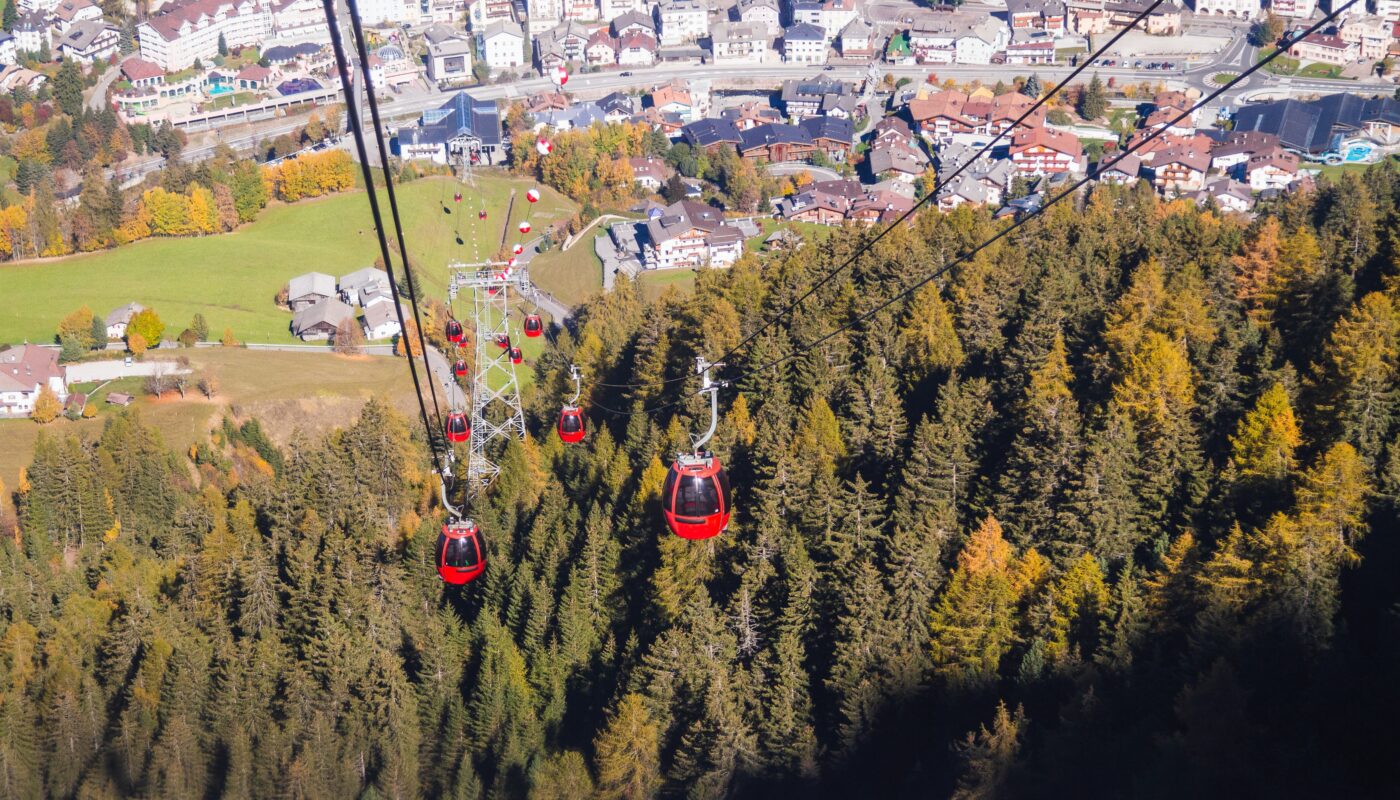
Alpbach’s ski areas are linked with nearby resorts under the Ski Juwel Alpbachtal Wildschönau network, making it part of one of Tyrol’s larger interconnected winter sports regions.
This connectivity ensures that Alpbach contributes to—and benefits from—the broader Tyrolean tourism economy.
European Forum Alpbach: A Global Dimension in a Local Setting
One of the most important links between Alpbach and the wider world is the annual European Forum Alpbach. This international gathering brings together experts from politics, science, business, and culture.
During the event, the village transforms into a global meeting point, hosting discussions on Europe’s future and global challenges.
This unique event reinforces Alpbach’s role as more than just a mountain village. It becomes a space where local Tyrolean identity intersects with international dialogue, strengthening Tyrol’s reputation as a region open to innovation and exchange.
Connections with Nearby Tyrolean Destinations
Alpbach’s position makes it an ideal starting point for exploring surrounding parts of Tyrol.
Rattenberg: Medieval Heritage
The nearby town of Rattenberg is known for its medieval streets and glassmaking traditions, offering a contrast to Alpbach’s rural atmosphere.
Kramsach: Cultural Landscapes
The area around Kramsach features lakes, museums, and open-air exhibits showcasing traditional Tyrolean farm life.
Wider Regional Valleys
Beyond the Alpbachtal, visitors can easily reach the Zillertal and Wildschönau valleys, both of which expand the alpine experience with larger ski resorts and hiking networks.
These nearby destinations show how Alpbach functions as part of a wider travel circuit rather than a standalone attraction.
Nature and Landscape: A Shared Tyrolean Identity
The natural environment is one of the strongest links between Alpbach and the rest of Tyrol. The entire region is characterized by towering peaks, green alpine meadows, dense forests, and fast-flowing mountain streams.
Alpbach reflects this landscape perfectly, blending into its surroundings rather than dominating them. This harmony between village and nature is a defining feature of Tyrolean settlement patterns.
Sustainable tourism practices in Alpbach also mirror broader regional efforts to protect alpine ecosystems while supporting local economies.
Visitor Experience: Experiencing Tyrol Through Alpbach
For travelers, Alpbach offers a unique entry point into Tyrol. Instead of large-scale tourism infrastructure, visitors encounter a quieter and more traditional environment.
Authentic Alpine Living
Staying in Alpbach allows visitors to experience:
- Traditional wooden guesthouses
- Local Tyrolean cuisine
- Small village festivals and community life
Easy Regional Access
Despite its peaceful atmosphere, Alpbach is well connected to major Tyrolean transport routes, making it easy to explore nearby towns and valleys.
A Balanced Travel Base
Its location makes it ideal for travelers who want both relaxation and regional exploration without staying in crowded resort centers.
Conclusion: Alpbach as a Reflection of Tyrol’s Identity
Alpbach is far more than a scenic mountain village. It is a living example of how geography, history, and culture interact within the Tyrol region.
Its connections can be seen in many forms:
- Geographic links through alpine valleys
- Shared historical development across mountain communities
- Strong cultural alignment with Tyrolean traditions
- Economic integration through tourism networks
- International visibility through global events
Ultimately, Alpbach represents Tyrol in miniature—a place where tradition and modernity coexist, where local identity remains strong, and where visitors can experience the essence of the wider alpine world in a single village.
For anyone exploring Tyrol, Alpbach is not just a destination—it is a gateway into understanding the entire region.