 by
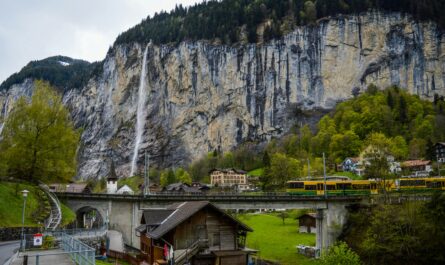
by Nestled in the scenic mountains of Alpbach, this charming alpine village is not only known for its traditional wooden architecture and breathtaking views but also for its rich and diverse birdlife. Surrounded by forests, meadows, streams, and high-altitude terrain, Alpbach provides an ideal setting for birdwatchers seeking both common and rare species.
Whether you’re a seasoned birder or simply someone who enjoys nature, the region offers a peaceful environment where birds can be observed in their natural habitats. This guide explores the best locations for birdwatching in Alpbach, the species you’re likely to encounter, and practical advice to enhance your experience.
Why Alpbach Is a Hidden Gem for Birdwatching
One of the reasons Alpbach stands out as a birdwatching destination is its varied landscape. Within a relatively small area, you can move from lush valley floors to dense forests and then climb into rocky alpine zones. Each of these environments supports different bird communities.

The surrounding Kitzbühel Alps are particularly important because their gentle slopes and diverse vegetation create a wide range of habitats. This diversity allows birdwatchers to observe species that would normally require traveling to multiple locations.
Another advantage is the peaceful atmosphere. Unlike heavily visited tourist hotspots, Alpbach offers a quieter setting, making it easier to observe birds without disturbance.
Best Birdwatching Spots in Alpbach
1. Valley Meadows and Open Fields
The meadows around Alpbach are among the easiest places to begin birdwatching. These open spaces are rich in plant life and insects, attracting a variety of birds.

What Makes This Area Special:
- Clear visibility for spotting birds in flight
- Abundant food sources for ground-feeding species
- Easy access for all skill levels
Common Birds:
- Meadow pipits
- Wheatears
- Black redstarts
- Thrushes
These birds are often seen hopping through grass or perched on fences and shrubs. Early morning visits are especially rewarding, as bird activity is highest during this time.
2. Forest Trails and Woodland Areas
The forests surrounding Alpbach offer a completely different birdwatching experience. Tall coniferous trees and dense undergrowth provide shelter for many woodland species.
Key Features:
- Shaded, शांत environments
- Diverse tree species supporting مختلف birds
- Ideal for listening as well as watching
Birds to Look For:
- Woodpeckers
- Robins
- Wrens
- Finches
Birdwatching in forests requires patience. Often, you’ll hear birds before you see them, so paying attention to sounds is essential.
3. High-Altitude Zones and Mountain Slopes
For more adventurous birdwatchers, higher elevations around Alpbach offer the chance to see specialized alpine species.
Why Explore Higher Ground:
- Access to unique habitats
- Fewer people and less disturbance
- Opportunity to spot rare birds
Notable Species:
- Rock ptarmigan
- Alpine accentor
- Alpine chough
These birds are adapted to colder climates and rugged terrain. They are often found near rocky slopes and exposed ridges, where they blend into the landscape.
4. Streams and Alpine Waterways
Water sources play an important role in attracting certain bird species. Streams flowing through the valley create microhabitats that support birds dependent on aquatic environments.
What You’ll Notice:
- Cooler, влажный surroundings
- Continuous insect activity
- Birds feeding along the water’s edge
Typical Sightings:
- Dippers
- Grey wagtails
- Water pipits
Dippers are especially fascinating to watch, as they can dive underwater to catch food—an unusual behavior among birds.
5. Cliffs and Open Mountain Areas
The higher cliffs and open skies above Alpbach provide ideal conditions for spotting birds of prey.
Highlights:
- Wide views for tracking soaring birds
- Minimal obstacles blocking visibility
Birds of Prey:
- Golden eagle
- Peregrine falcon
- Vultures
These powerful birds glide effortlessly on air currents, making them one of the most impressive sights in the region.
Bird Species You Can Encounter
The birdlife in and around Alpbach is diverse, with species adapted to different altitudes and environments.
Alpine Specialists
These birds thrive in high पर्वतीय conditions:
- Snowfinch
- Wallcreeper
- Alpine swift
They are often seen in rocky areas where few other birds can survive.
Birds of Prey
Large raptors dominate the skies in alpine regions:
- Eagles
- Falcons
- Owls
Their presence indicates a healthy ecosystem, as they sit at the top of the food chain.
Forest Birds
Lower elevations are home to familiar woodland species:
- Tits
- Chaffinches
- European robins
These birds are active and relatively easy to spot, making them ideal for beginners.
Seasonal Visitors
Migration brings additional species to the region during certain times of the year. Spring and autumn are particularly good for observing birds passing through the Alps.
Best Time to Visit for Birdwatching
Timing can significantly affect your birdwatching experience.
Spring (April–June)
- Birds are highly active
- Breeding season increases visibility and sound
- Ideal for spotting a wide range of species
Summer (July–August)
- Best for high-altitude exploration
- Easier access to पर्वत trails
Autumn (September–October)
- Migration season
- Unique sightings of traveling birds
Winter (November–March)
- Fewer species, but a peaceful atmosphere
- Opportunity to see hardy alpine birds
Tips for a Successful Birdwatching Experience
1. Use Proper Equipment
Binoculars are essential. A lightweight guidebook or mobile app can help with identification.
2. Be Patient and Observant
Birdwatching is about noticing small details. Move slowly and remain quiet.
3. Listen Carefully
Bird calls often reveal their presence before you see them.
4. Dress Appropriately
Weather in the Alps can change quickly. Wear layers and sturdy обувь.
5. Respect Wildlife
Avoid disturbing birds, especially during nesting periods. Keep a safe distance at all times.
What Makes Birdwatching in Alpbach Unique
What sets Alpbach apart is the balance between accessibility and biodiversity. You don’t need to travel far to experience different habitats—everything is within reach.
In a single day, you can:
- Walk through meadow landscapes
- Explore forest trails
- Climb to alpine viewpoints
Each environment offers new species and perspectives, making every outing feel different.
Additionally, the tranquility of the region enhances the experience. Without heavy crowds or шум, you can fully immerse yourself in nature and observe birds in a calm setting.
Conclusion
Birdwatching in Alpbach is more than just a hobby—it’s a way to connect with the natural rhythms of the Alps. From the gentle songs of meadow birds to the powerful flight of eagles overhead, every encounter adds to the experience.
The region’s diverse landscapes, rich birdlife, and peaceful atmosphere make it an ideal destination for anyone interested in nature. Whether you are identifying species, enjoying the scenery, or simply listening to birdsong, Alpbach offers a rewarding and memorable journey into the world of alpine wildlife.