 by
by Tucked away in the Austrian Alps, the village of Alpbach is often admired for its traditional wooden houses and postcard-perfect scenery. However, beyond its visual charm lies a landscape shaped by extraordinary geological forces. The terrain surrounding Alpbach is the product of millions of years of tectonic activity, oceanic history, glacial carving, and ongoing natural processes. These elements combine to create a geological identity that is both complex and distinctive.
Understanding what makes Alpbach unique requires looking beneath the surface—into the rocks, valleys, and formations that tell the story of Earth’s dynamic past.
The Formation of the Alps: A Story of Continental Collision
The foundation of Alpbach’s geology begins with the creation of the Alps themselves. This massive mountain system formed when the African tectonic plate gradually moved northward and collided with the Eurasian plate. The resulting الضغط caused layers of rock to compress, fold, and rise dramatically.

This process, known as the Alpine orogeny, did more than just create mountains—it rearranged entire layers of Earth’s crust. Rocks from ancient seabeds were pushed upward, while older geological layers were sometimes thrust over younger ones. This complex stacking of الصخور is still visible in many parts of the Alps today.
In the Alpbach region, this tectonic history is reflected in the varied structure of the surrounding mountains. The landscape is not uniform; instead, it reveals a patchwork of geological layers shaped by immense forces over time.
The Influence of the Kitzbühel Alps
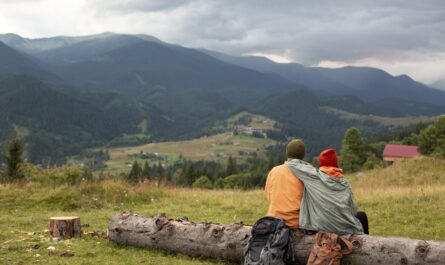
Alpbach lies within the Kitzbühel Alps, a subrange of the Eastern Alps known for its softer and more rounded appearance compared to the dramatic peaks found elsewhere.

Unlike regions dominated by कठोर limestone cliffs, the Kitzbühel Alps consist largely of metamorphic rocks such as schist and phyllite. These rocks are less resistant to erosion, which explains the smoother slopes and واسعة alpine meadows that define the area around Alpbach.
This difference in rock composition plays a crucial role in shaping the local landscape. Instead of jagged पर्वत peaks, visitors encounter rolling hills and gently sloping valleys. This softer terrain is one of the defining geological characteristics that sets Alpbach apart from other Alpine destinations.
Ancient Oceans Beneath the Mountains
One of the most fascinating aspects of Alpbach’s geology is its origin beneath ancient seas. Millions of years ago, much of this region was submerged under shallow marine waters. Layers of sediment—formed from sand, mud, and marine organisms—accumulated on the ocean floor.
Over time, these sediments hardened into sedimentary rocks such as limestone and shale. When tectonic forces later uplifted the region, these समुद्री deposits were raised high above sea level, becoming part of the Alpine mountain system.
Evidence of this समुद्री past can still be found in similar Alpine regions, where fossils and البحرية الصخور provide clues about ancient ecosystems. Although not always visible to the casual observer, this hidden history is an essential part of what makes Alpbach geologically intriguing.
Metamorphic Rocks: Transformation Under Pressure
As tectonic forces continued to reshape the region, many of the original sedimentary rocks underwent metamorphism. This process occurs when rocks are subjected to intense heat and pressure, altering their internal structure without melting them completely.
In the Alpbach area, common metamorphic rocks include:
- Schist, recognized for its layered texture and चमकदार surface
- Phyllite, which has a fine-grained structure and silky appearance
These rocks contribute to both the visual and physical character of the landscape. Their layered nature makes them more prone to splitting, which influences how slopes erode and valleys form.
The presence of these rocks also explains why the terrain around Alpbach feels softer and more الطبيعي compared to harsher Alpine environments.
Glacial Forces: Sculpting the Valley
While tectonic activity built the mountains, glaciers played a key role in shaping their वर्तमान form. During the Ice Ages, thick sheets of ice покрывали much of the Alpine region, including the valleys around Alpbach.
As glaciers moved, they acted like powerful प्राकृतिक tools—carving, scraping, and reshaping the الأرض beneath them. This process created:
- U-shaped valleys
- Steep पर्वत walls
- Rounded ridges and basins
The Alpbachtal valley itself bears clear signs of glacial influence. Its wide floor and steep sides are typical of areas shaped by moving ice rather than flowing water alone.
When the glaciers retreated, they left behind deposits of rock and sediment, which continue to influence soil composition and land use today.
The Role of Water in Shaping the Landscape
Even after the glaciers disappeared, water remained a major عامل in shaping the region. Streams and rivers continue to carve through the الأرض, gradually altering the terrain.
The Alpbach stream, for example, has played an important role in forming the valley’s structure. Over time, it has eroded rock, transported sediment, and created small floodplains and terraces.
These fluvial processes work alongside older geological forces, ensuring that the landscape of Alpbach is always evolving. Though the changes are slow, they are constant and ongoing.
Rock Diversity and Mineral Characteristics
The geological diversity of Alpbach is reflected in the variety of rocks found in the region. While it is not considered a major mining area, the surrounding Alps contain minerals such as quartz and mica, which are commonly associated with metamorphic rocks.
These minerals influence the रंग and texture of the rocks, giving them distinctive visual qualities. For example, mica can create a shimmering effect on rock surfaces, especially when exposed to sunlight.
This diversity adds another layer of interest to the المنطقة, making it appealing not only to scientists but also to hikers and nature lovers.
Geological Risks and Natural Changes
The same forces that shaped Alpbach also bring certain risks. The combination of steep slopes, layered rocks, and changing weather conditions can make the area vulnerable to landslides and rockfalls.
Seasonal freeze-thaw cycles are particularly influential. Water seeps into cracks in the rock, freezes, and expands, gradually weakening the structure. Over time, this can lead to sudden shifts or انهيارات.
Although such events are relatively rare, they highlight the fact that Alpbach’s landscape is still very much alive and changing.
The Connection Between Geology and Nature
The geology of Alpbach does not only shape the land—it also influences the الحياة that thrives on it. Soil types, which are derived from underlying rocks, determine what kinds of plants can grow in a particular area.
For instance:
- Softer, nutrient-rich soils support alpine meadows
- Rocky or mineral-heavy soils may host specialized plant species
This relationship between geology and ecology contributes to the region’s biodiversity. The varied terrain creates multiple habitats, each supporting different forms of life.
Conclusion
What makes Alpbach truly unique is not just its visual beauty, but the deep geological story embedded within its landscape. From ancient ocean floors to towering पर्वत formed by continental collisions, every جزء of the region reflects a long and complex history.
The influence of the Kitzbühel Alps, combined with metamorphic rock formations, glacial shaping, and ongoing natural processes, gives Alpbach a distinctive character that sets it apart from other Alpine المناطق.
In essence, Alpbach is more than a scenic village—it is a natural archive of Earth’s history, where geology and beauty come together in a truly remarkable way.