 by
by Travel is no longer just about reaching a destination—it’s about how that journey aligns with personal values, especially when it comes to sustainability. In mountain regions around the world, a new type of accommodation is capturing the attention of eco-conscious explorers: eco-mountain pods. These small yet thoughtfully designed structures are changing the way people experience alpine environments by combining comfort, minimalism, and environmental responsibility.
From the snow-covered peaks of Europe to remote wilderness areas across the globe, eco-pods are emerging as a powerful alternative to traditional mountain lodges. They offer travelers an opportunity to connect deeply with nature without contributing to its degradation.
Understanding Eco-Mountain Pods
Eco-mountain pods are compact living spaces designed to have as little impact on the environment as possible. Unlike large hotels or ski resorts that require extensive land development, these pods are intentionally small, efficient, and often modular.

They typically include:
- A sleeping and living area
- A compact bathroom
- Energy-efficient heating systems
- Carefully designed windows to maximize natural light and views
What makes them unique is their focus on sustainability. Many are constructed using eco-friendly materials such as reclaimed wood, recycled metal, or low-impact composites. Some are even designed to operate completely off-grid, relying on renewable energy sources and water-saving systems.
Why Travelers Are Choosing Eco-Pods
The growing popularity of eco-mountain pods reflects a broader shift in travel preferences. Today’s travelers are more informed and more conscious of their environmental footprint.

A Desire for Responsible Tourism
People are increasingly aware that traditional tourism can harm delicate ecosystems, especially in mountainous regions where biodiversity is sensitive. Eco-pods provide a solution by offering accommodations that are built with conservation in mind.
By staying in these structures, travelers can reduce their environmental impact while still enjoying stunning natural surroundings.
Closer Connection to Nature
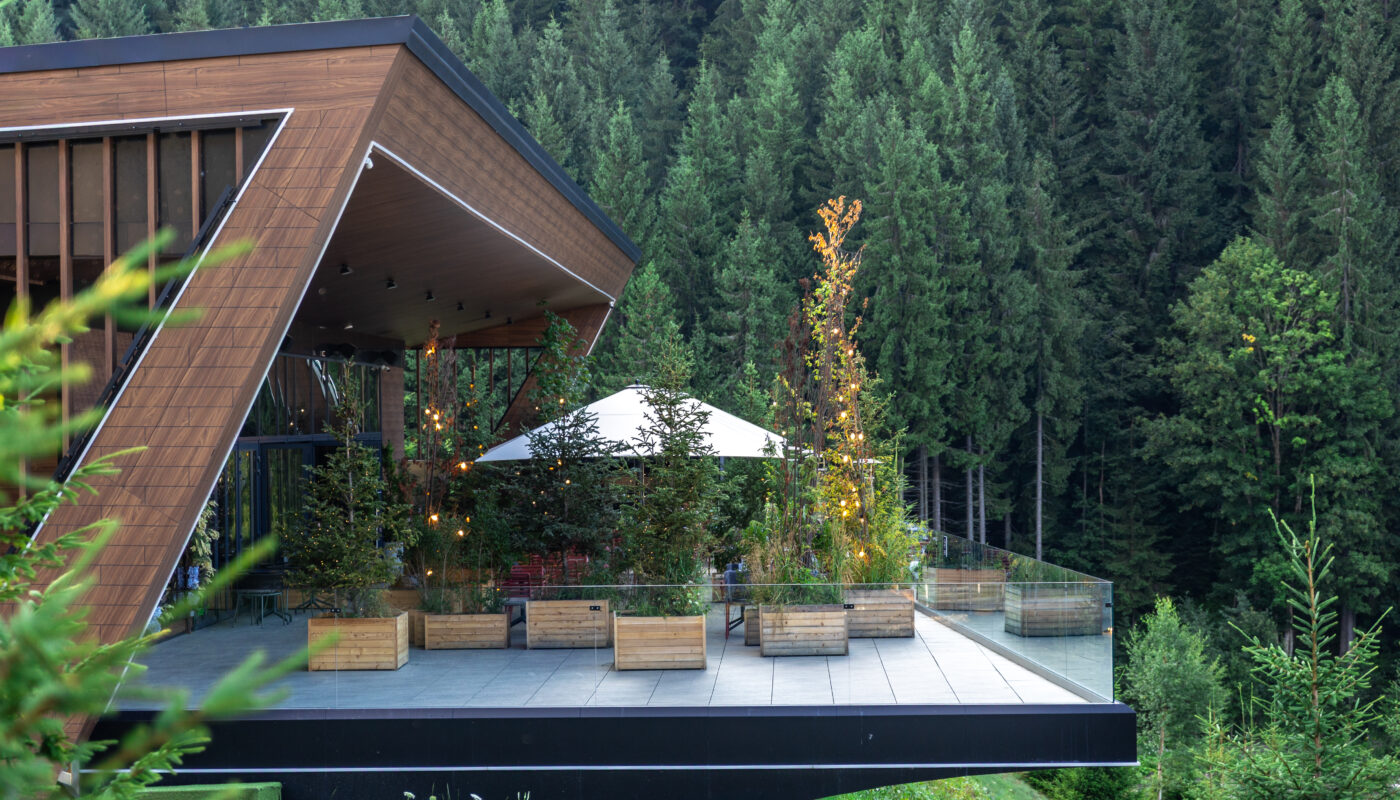
Eco-pods are often located in secluded areas, away from crowded tourist hubs. This allows guests to experience nature in a more intimate way. Large windows, open layouts, and elevated designs create a sense of being immersed in the landscape rather than separated from it.
Whether it’s watching snowfall from a warm interior or waking up to panoramic mountain views, the experience feels personal and unfiltered.
Simplicity Without Sacrificing Comfort
One of the defining features of eco-pods is their balance between simplicity and comfort. While the spaces are compact, they are designed with intention. Every element serves a purpose, and unnecessary clutter is eliminated.
Despite their minimalist approach, many eco-pods include:
- High-quality bedding
- Modern bathrooms
- Efficient heating systems
- Stylish interiors inspired by local culture
This blend of simplicity and thoughtful design creates a sense of calm that many travelers find refreshing.
Privacy and Escape
Unlike traditional accommodations where guests share common areas, eco-pods are usually spaced apart to ensure privacy. This makes them ideal for those seeking solitude, whether for relaxation, reflection, or creative inspiration.
Innovative Design Principles
The success of eco-mountain pods lies in their smart and adaptive design. Architects and designers are constantly experimenting with new ways to reduce environmental impact while enhancing the guest experience.
Modular Construction
Many eco-pods are prefabricated in controlled environments and then transported to their final location. This approach reduces construction waste and minimizes disruption to the natural surroundings.
In some cases, pods can be installed within a matter of days, leaving little trace on the land.
Elevated Foundations
To protect the terrain, eco-pods are often raised above the ground on stilts or platforms. This aids in maintaining natural water flow, preventing soil erosion, and protecting vegetation.
It also provides practical benefits, such as improved views and protection from snow accumulation.
Energy Efficiency
Energy use is a major focus in eco-pod design. Common features include:
- Solar panels for electricity
- Advanced insulation to retain heat
- Low-energy lighting systems
- Eco-friendly heating solutions like pellet or wood stoves
These systems reduce reliance on external energy sources and lower the overall carbon footprint of the accommodation.
Water Conservation
Many eco-pods incorporate water-saving technologies such as:
- Rainwater collection systems
- Low-flow fixtures
- Greywater recycling
These measures are particularly important in remote areas where water resources may be limited.
Eco-Pods Around the World
While eco-mountain pods are often associated with Alpine regions, their appeal has spread globally. Different regions have adapted the concept to suit their unique landscapes and climates.
European Mountain Regions
In Europe, eco-pods are often designed to blend seamlessly with traditional alpine architecture while incorporating modern sustainability practices. These accommodations offer a balance between heritage and innovation.
Nordic-Inspired Retreats
Scandinavian design has heavily influenced many eco-pods, emphasizing clean lines, natural materials, and functionality. These designs focus on creating a peaceful atmosphere that complements the surrounding environment.
Remote Wilderness Locations
In more isolated regions, eco-pods serve as gateways to untouched landscapes. Their off-grid capabilities make them ideal for locations where traditional infrastructure is not feasible.
Expanding Beyond Mountains
Although originally popular in alpine settings, eco-pods are now appearing in forests, deserts, and coastal areas. This demonstrates their versatility and adaptability as a sustainable accommodation model.
Environmental Advantages
Eco-mountain pods offer several key benefits compared to conventional lodging options.
Minimal Land Disturbance
Because they require smaller footprints and less invasive construction methods, eco-pods help preserve natural landscapes. Some designs are even temporary, allowing the land to recover fully if the structure is removed.
Reduced Emissions
By relying on renewable energy and efficient systems, eco-pods generate fewer greenhouse gas emissions. This makes them a more environmentally friendly choice for travelers.
Promoting Awareness
Staying in an eco-pod often encourages guests to think more consciously about their own habits. Many hosts provide information about sustainability, conservation, and responsible travel practices.
Challenges to Consider
Despite their many advantages, eco-mountain pods are not without limitations.
Higher Costs
The use of sustainable materials and advanced technologies can make eco-pods more expensive to build and maintain. As a result, they are often priced at a premium compared to standard accommodations.
Limited Accessibility
Their remote locations can make them difficult to reach, especially for travelers who require easy access or mobility support.
Managing Tourism Impact
Even sustainable tourism can have unintended consequences if it grows too quickly. Increased visitor numbers may put pressure on local ecosystems, requiring careful planning and regulation.
The Future of Eco-Mountain Living
As sustainability becomes a central concern in global travel, eco-mountain pods are likely to evolve further. Advances in technology and design will continue to improve their efficiency and functionality.
Future developments may include:
- Fully self-sustaining pods with zero external energy needs
- Smart systems that optimize energy and water usage
- Use of biodegradable or recyclable building materials
- Greater integration with conservation and research initiatives
These innovations could make eco-pods not just a travel trend, but a model for sustainable living more broadly.
Final Thoughts
Eco-mountain pods are more than just a new type of accommodation—they represent a shift in how people think about travel, comfort, and responsibility. By offering a way to experience nature without harming it, they align perfectly with the values of modern travelers.
Their rise signals a future where tourism and environmental stewardship can coexist. For those seeking a meaningful escape into the mountains, eco-pods provide an experience that is both enriching and responsible.
In a world where the impact of human activity is increasingly visible, these small, thoughtfully designed structures remind us that it is possible to explore the planet while still protecting it.