 by
by High in the Austrian Alps lies the picturesque village of Alpbach, widely admired for its traditional wooden chalets, flower-filled balconies, and dramatic mountain scenery. While the village is often associated with tourism, cultural events, and Alpine architecture, agriculture remains one of the foundations of local life. Even in the modern era, farming continues to influence the economy, the environment, and the identity of the community.
Agriculture in Alpbach is not simply about food production. It helps maintain the region’s landscapes, preserves cultural traditions, and supports rural livelihoods. Over centuries, local farmers have adapted their practices to the challenges of mountainous terrain, harsh winters, and limited farmland. Today, these same farms combine traditional Alpine methods with modern innovations, creating a sustainable agricultural system that continues to play an essential role in village life.
Understanding agriculture in modern Alpbach provides insight into how rural Alpine communities balance heritage with economic development.

Historical Roots of Farming in the Alpine Valley
Long before tourism transformed the local economy, farming was the primary occupation in Alpbach. Families relied on agriculture for survival, producing food and raising livestock in a landscape that demanded resilience and ingenuity.
Early farmers cultivated hardy grains such as rye, barley, and oats while raising animals that could thrive in high-altitude environments. Because the terrain limited large-scale crop farming, livestock production gradually became the dominant agricultural activity.
Over time, generations of farmers developed techniques specifically suited to mountain conditions. They learned how to manage steep slopes, rotate grazing areas, and harvest hay to sustain animals through long winters.

These practices laid the groundwork for the agricultural system that still exists today.
Mountain Geography and Agricultural Adaptation
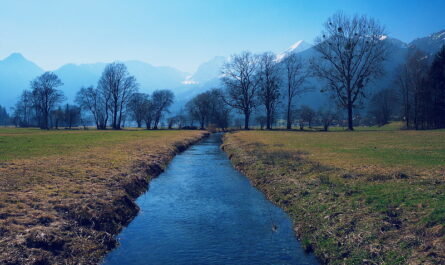
Alpbach’s farming practices are heavily influenced by the Tyrolean Alps’ natural environment. Steep mountainsides, narrow valleys, and varying elevations limit the amount of arable land available for crops.
Instead of intensive crop cultivation, farmers focus primarily on grassland agriculture, which involves managing meadows and pastures for livestock grazing. These grasslands flourish during the warmer months when Alpine sunlight and rainfall encourage rich vegetation growth.
Cattle, sheep, and goats graze on these mountain meadows, turning natural grasses into valuable agricultural products such as milk, cheese, and meat.
This type of farming is particularly suited to Alpine regions because it uses land that might otherwise be unsuitable for traditional agriculture.
The Importance of Family-Owned Farms
One of the defining characteristics of agriculture in Alpbach is the dominance of family-run farms. Many of these farms have been passed down through generations, creating strong connections between families and their land.
Some farms in the village have remained in the same family for hundreds of years. In Austria, farms that stay within one family for more than two centuries may receive a special recognition as hereditary farms.
These long-standing farms represent continuity in rural life. They preserve traditional knowledge about animal care, land management, and seasonal agricultural cycles.
In many cases, modern farmers still live in historic wooden farmhouses while operating updated agricultural systems. This blend of old and new reflects the village’s unique balance between heritage and progress.
Dairy Farming as the Backbone of Local Agriculture
Among all agricultural activities in Alpbach, dairy farming plays the most important role. The region’s lush Alpine meadows provide ideal grazing conditions for dairy cattle, producing milk with distinctive flavor and quality.
Milk from these cows is used to produce a variety of traditional foods, including:
- Alpine cheeses
- Butter and cream
- Yogurt and cultured dairy products
- Traditional regional dishes made with fresh milk
Because cows graze on natural grasses and herbs found in mountain pastures, the resulting dairy products often have unique taste characteristics.
Dairy farming also helps sustain the local economy by supporting small processing facilities, regional food markets, and restaurants that highlight local ingredients.
The Tradition of Seasonal Alpine Grazing
A hallmark of Alpine agriculture is the seasonal movement of livestock between valley farms and high mountain pastures.
During late spring and summer, farmers move cattle to higher elevations where grass grows abundantly. These pastures provide rich feeding grounds that help animals grow and produce high-quality milk.
At the end of the summer grazing season, the animals return to the valley in a traditional event often celebrated with decorated cattle and festive gatherings.
This seasonal cycle is more than a farming technique—it is an important cultural tradition that has been practiced in Alpine communities for centuries.
Sustainable Farming and Environmental Care
Modern agriculture in Alpbach increasingly emphasizes sustainability. Farmers recognize that protecting the fragile Alpine environment is essential for the long-term survival of their livelihoods.
Several sustainable practices are commonly used in the region:
- Rotational grazing to prevent overuse of pastures
- Limited use of chemical fertilizers
- Preservation of natural habitats and biodiversity
- Maintenance of traditional hay meadows
These practices help maintain soil health and protect the wide variety of plant species that grow in Alpine landscapes.
Mountain farmers also play a crucial role in preventing land abandonment. If agricultural activity were to stop entirely, many open meadows would gradually turn into forests, altering the region’s ecological balance and changing the scenic landscapes that visitors enjoy.
Agriculture and Tourism: A Connected Economy
Tourism is now one of the most visible industries in Alpbach, but agriculture continues to complement and support it in important ways.
Visitors are drawn to the village partly because of its pastoral landscapes—rolling green pastures, grazing cattle, and traditional farmhouses.
Farmers benefit from tourism through several activities:
Farm Stays
Some farms offer guest accommodation, allowing visitors to experience rural life firsthand. Guests may enjoy homemade food, participate in farm activities, or learn about traditional farming techniques.
Local Food Culture
Restaurants and guesthouses frequently feature dishes made with ingredients from nearby farms. Fresh dairy products, meats, and vegetables help create authentic regional cuisine.
Cultural Events
Agricultural traditions often appear in local festivals and seasonal celebrations, offering tourists a glimpse into Alpine culture.
This close relationship between farming and tourism strengthens the local economy while preserving cultural heritage.
Challenges Facing Modern Alpine Farmers
Despite its importance, agriculture in Alpbach faces several challenges in the modern world.
Economic Pressures
Mountain farming can be expensive and labor-intensive. Limited land and steep terrain make mechanization difficult, which increases production costs.
Farmers must balance traditional practices with modern market demands in order to remain financially sustainable.
Changing Demographics
Younger generations sometimes pursue careers outside agriculture, leading to concerns about who will manage farms in the future.
However, many young farmers are returning to family farms with new ideas and technologies that help modernize operations.
Climate Change
Changing climate patterns may affect Alpine agriculture through warmer temperatures, shifting snowfall patterns, and altered rainfall cycles.
These environmental changes could influence pasture conditions and water availability.
Adapting to these new conditions will require flexibility and innovation.
Innovation in Modern Farming Practices
Although farming traditions remain strong, agriculture in Alpbach is not frozen in the past. Farmers are increasingly adopting new technologies to improve efficiency and sustainability.
Some modern practices include:
- Automated milking systems
- Renewable energy installations such as solar panels on farm buildings
- Improved livestock breeding programs
- Digital monitoring of animal health
By combining traditional knowledge with modern technology, farmers can maintain productivity while protecting the environment.
Cultural Significance of Agriculture
Agriculture continues to shape the cultural identity of Alpbach. Many traditions, customs, and community celebrations originate from farming life.
Seasonal events such as harvest celebrations and cattle returns from Alpine pastures reflect the rhythm of rural life. These traditions reinforce community bonds and preserve cultural heritage.
Local museums and cultural organizations also document historical farming practices, allowing visitors to understand how agriculture shaped village life over the centuries.
Even today, farming remains deeply embedded in local identity.
The Future of Agriculture in Alpbach
Looking forward, agriculture in Alpbach is likely to continue evolving while maintaining its traditional roots.
Several trends may shape the future of farming in the region:
- Growth in organic farming practices
- Expansion of farm-based tourism
- Increased emphasis on sustainable land management
- Adoption of new agricultural technologies
Government support programs for mountain agriculture also help ensure that small farms remain viable.
By embracing innovation while respecting tradition, Alpbach’s farmers are building a resilient agricultural future.
Conclusion
Agriculture remains an essential part of life in Alpbach, even as tourism and modern industries grow in importance. From historic family farms to sustainable dairy production, farming continues to shape the village’s landscapes, culture, and economy.
Through careful stewardship of land and livestock, farmers maintain the open Alpine pastures that define the region’s beauty. At the same time, they adapt to new challenges through innovation, diversification, and environmentally responsible practices.
Ultimately, agriculture in Alpbach represents a living connection between past and present—a tradition that continues to evolve while preserving the unique character of one of the Alps’ most charming villages.