 by
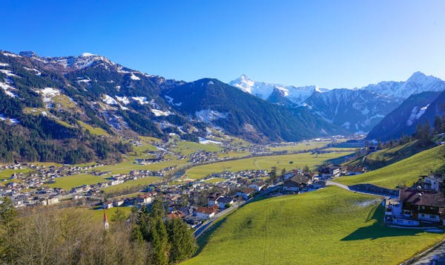
by With its flower-enshrouded balconies, uniform facades, and harmonious alpine charm, Alpbach stands as one of Europe’s most picturesque mountain villages. Its aesthetic character is not accidental — it is the result of a long-held commitment to wooden architecture that dates back centuries. In a world where modern materials and rapid development often erode local identity, Alpbach has succeeded in preserving and celebrating its traditional wooden building culture.
But how exactly does a small community in the Austrian Alps maintain such a strong architectural heritage in the 21st century? The answer lies in a thoughtful blend of historical continuity, stringent building laws, community values, skilled craftsmanship, and economic incentives that align tradition with sustainability and tourism.
In this article, we explore the multiple forces — cultural, legal, economic, and aesthetic — that allow Alpbach to remain a living example of alpine architectural heritage.

A Legacy Carved in Wood: Understanding Alpbach’s Architectural Roots
Long before tourism became a central part of Alpbach’s economy, wood was the natural building material of choice. Surrounded by dense forests and steep slopes rich in timber, early settlers built homes, barns, and community structures from wood because it was available, durable, and easy to work with. Over generations, regional craftsmanship developed techniques tailored to alpine conditions — steep roofs to shed snow, deep eaves to protect walls, and interlocking joints designed for strength and insulation.
Unlike many regions where traditional building styles faded as concrete and steel became dominant, Alpbach’s wooden aesthetic endured. This continuity set the visual foundation for what would later become an intentional cultural identity.
Why Wood Matters in Alpbach’s Identity
Alpbach’s wooden architecture is more than a construction choice — it functions as a symbol of place, memory, and community continuity. These buildings reflect the rhythms of alpine life, the material heritage of forestry and sawmilling, and a sense of belonging deeply rooted in landscape.

The uniformity in building style also contributes to village cohesion. Unlike many towns where architectural styles vary widely block to block, Alpbach feels visually unified. Walking through its streets, visitors encounter a language of timber that evokes warmth, harmony, and timelessness.
Maintaining this aesthetic has required active participation by the community and its leaders — not passive tradition alone.
1. Legal Frameworks and Architectural Guidelines
One of the most important ways Alpbach safeguards its wooden building tradition is through legal protections and architectural guidelines that shape new construction and renovations.
Heritage Conservation Zoning
Alpbach has historically strong zoning rules designed to preserve its traditional look. These include:
- Material requirements: Buildings must use wood or wood-compatible materials for external facades.
- Color schemes: Only specified natural wood stains or traditional alpine color palettes are permitted.
- Roof forms and angles: Steep pitched roofs and deep overhangs remain standard to reflect historical forms.
- Window and balcony styles: Design details must align with alpine patterns — carved railings, shutter styles, and proportions that reflect local heritage.
Violations of these guidelines are taken seriously, and proposals that deviate from them must undergo review by local heritage boards and planning authorities.
This legal framework helps ensure that new structures or renovated buildings blend seamlessly into the village fabric rather than stand out as modern intrusions.
2. Community Values and Local Support
Architectural preservation in Alpbach is not enforced through laws alone — it is also upheld through community expectations and cultural norms. Residents take pride in the village’s appearance, and local attitudes strongly favor maintaining tradition rather than replacing it with modern styles.
Intergenerational Knowledge Transfer
Many families in Alpbach have lived in the region for generations. Knowledge of traditional building methods — from log joining to roof framing — is passed down not only through apprenticeships but also through shared community practice. This ensures that craftsmanship remains active, not merely preserved in textbooks or museums.
When residents or homeowners consider renovations, they often consult with local builders who have worked in the tradition for decades. These informal networks help reinforce standards and keep craftsmanship alive.
3. Skilled Craftsmanship: A Living Tradition
Preserving architecture requires masterful hands. Alpbach’s tradition is sustained by skilled carpenters, joiners, and artisans who specialize in regional alpine techniques.
Training and Apprenticeship
Local builders often train through apprenticeships, learning how to:
- Select appropriate timber species
- Shape and join logs with precision
- Carve decorative details for balconies and facades
- Integrate modern insulation without disrupting traditional form
This living craft means that wood is not simply applied for aesthetic reasons but integrated through centuries-old methods that optimize durability and performance in harsh mountain climates.
Balancing Old and New Skills
While historical methods inform shaping and design, modern tools and safety standards have enhanced efficiency and durability. This blend of old and new ensures buildings remain strong, weather-resilient, and compliant with contemporary building codes — without sacrificing heritage.
4. Economic Incentives: Tradition Meets Tourism
Alpbach’s wooden building aesthetic is not only a cultural treasure — it’s also an economic asset.
A Tourism Magnet
Tourism plays a central role in Alpbach’s economy. The village’s consistent architectural identity is a major draw for visitors seeking authentic alpine experience — not just in winter for skiing, but year-round for hiking, festivals, and scenic retreats.
A consistent architectural style contributes to:
- Brand identity: Alpbach is often described as one of Europe’s most beautiful villages.
- Higher property values: Aesthetic cohesion adds prestige.
- Visitor satisfaction: Tourists are more likely to return and recommend the experience.
Because local business owners benefit economically from tourists attracted to traditional buildings, there is a strong incentive to maintain rather than replace the wooden aesthetic.
Incentives for Traditional Renovation
Municipal incentives — such as tax rebates, low-interest loans, or grants — are sometimes offered to residents who undertake renovations that preserve traditional styles. This support helps offset the cost difference between standard renovation and heritage-friendly restoration.
5. Adaptive Use: Tradition in Contemporary Life
Alpbach’s approach to heritage isn’t about preserving buildings as static museum pieces — it’s about integrating tradition into functional, modern life.
Modern Comforts Behind Traditional Facades
Many houses and commercial buildings have been updated internally to provide modern comfort (e.g., insulation, plumbing, electrical systems) while keeping the wooden exterior intact. The result is spaces that are thermally efficient, safe, and comfortable — yet visually aligned with heritage.
Multi-Use and Mixed Programming
Traditional buildings are used in creative ways that serve contemporary needs:
- Residential homes with modern kitchens and home offices
- Guesthouses and boutique hotels that balance rustic feel with modern amenities
- Cafés and shops that highlight local crafts and foods
Adaptive use ensures that tradition thrives as part of everyday life rather than existing only in isolated monuments.
6. Public Awareness and Education
Preserving Alpbach’s wooden building tradition also depends on public awareness campaigns and educational initiatives that engage the community — especially younger generations.
Events and Workshops
Seasonal workshops on wood carving, traditional joinery, or heritage conservation principles expose residents and visitors alike to the value of traditional building techniques.
School Programs
Local schools may incorporate heritage education into curricula, ensuring that children grow up with an understanding of why architectural tradition matters — historically, socially, and ecologically.
7. Environmental Considerations: Wood as a Sustainable Material
In an era of growing environmental concern, traditional wood construction aligns closely with sustainability — a fact that reinforces its continued use.
Wood’s Ecological Benefits
- Carbon sequestration: Wood locks carbon that would otherwise contribute to atmospheric CO₂.
- Local sourcing: Timber is often harvested from nearby forests, reducing transportation emissions.
- Thermal performance: When properly insulated, wooden buildings can be energy efficient.
- Biodegradable materials: Wood integrates back into the ecosystem at the end of its lifecycle.
Alpbach’s heritage therefore supports both cultural tradition and modern environmental values — a rare and valuable combination.
8. Challenges and Future Directions
Maintaining tradition is not without challenges. Rising construction costs, pressure from modern materials, and changes in demographic trends all bring tension between preservation and progress.
Balancing Costs and Tradition
Traditional woodworking and heritage-compliant materials can be more expensive than mass-produced alternatives, leading some builders to consider cost-cutting measures. Municipal policies and incentives help, but financial sustainability remains a concern.
Incorporating Climate Resilience
As weather patterns shift due to climate change, buildings must adapt. Solutions include:
- Enhanced insulation
- Roof reinforcements for heavier snow loads
- Improved drainage to prevent moisture damage
These technical upgrades must be integrated in ways that retain traditional appearance.
Engaging New Generations
For continued preservation, younger residents must see value — both cultural and economic — in carrying on the tradition. Community outreach, apprenticeship programs, and heritage tourism opportunities play an important role in fostering this engagement.
Conclusion: A Living Tradition That Works
Alpbach’s ability to maintain its wooden building tradition is not the result of nostalgia alone — it is the product of intentional policy, community values, skilled craftsmanship, economic alignment, and a shared sense of identity.
This tradition works because:
- Residents value heritage as part of everyday life
- Local rules reinforce aesthetic continuity
- Craftspeople keep traditional skills alive
- Tourism and economic incentives reward architectural harmony
- Sustainability goals align with wood construction
Walking through Alpbach today, one sees more than wooden houses — one sees a community that chose continuity without sacrificing modernity, that values place and memory as much as comfort and progress.
In an age where local character is often lost to globalization, Alpbach stands as a testament to how tradition can be sustained, honored, and integrated into present-day life. It’s not just about buildings — it’s about collective choice, shared values, and the belief that heritage enriches both residents and visitors alike.