 by
by One of Europe’s most charming settlements, Alpbach is tucked away in the Tyrol region of Austria. It is an alpine treasure where nature and tradition coexist harmoniously. What makes Alpbach visually enchanting is not just its mountain backdrop but the village’s distinctive wooden architecture, an aesthetic rooted in centuries of local craftsmanship and culture.
Whether you’re a traveler with a smartphone or a seasoned photographer with professional gear, capturing the essence of Alpbach’s wooden buildings requires more than simply pressing the shutter. It involves understanding light, texture, composition, angles, and storytelling. In this article, we’ll explore how to photograph Alpbach’s wooden architecture effectively — from planning your shots to creative strategies that reveal character and detail in every frame.
Why Alpbach’s Wooden Architecture Deserves Special Attention
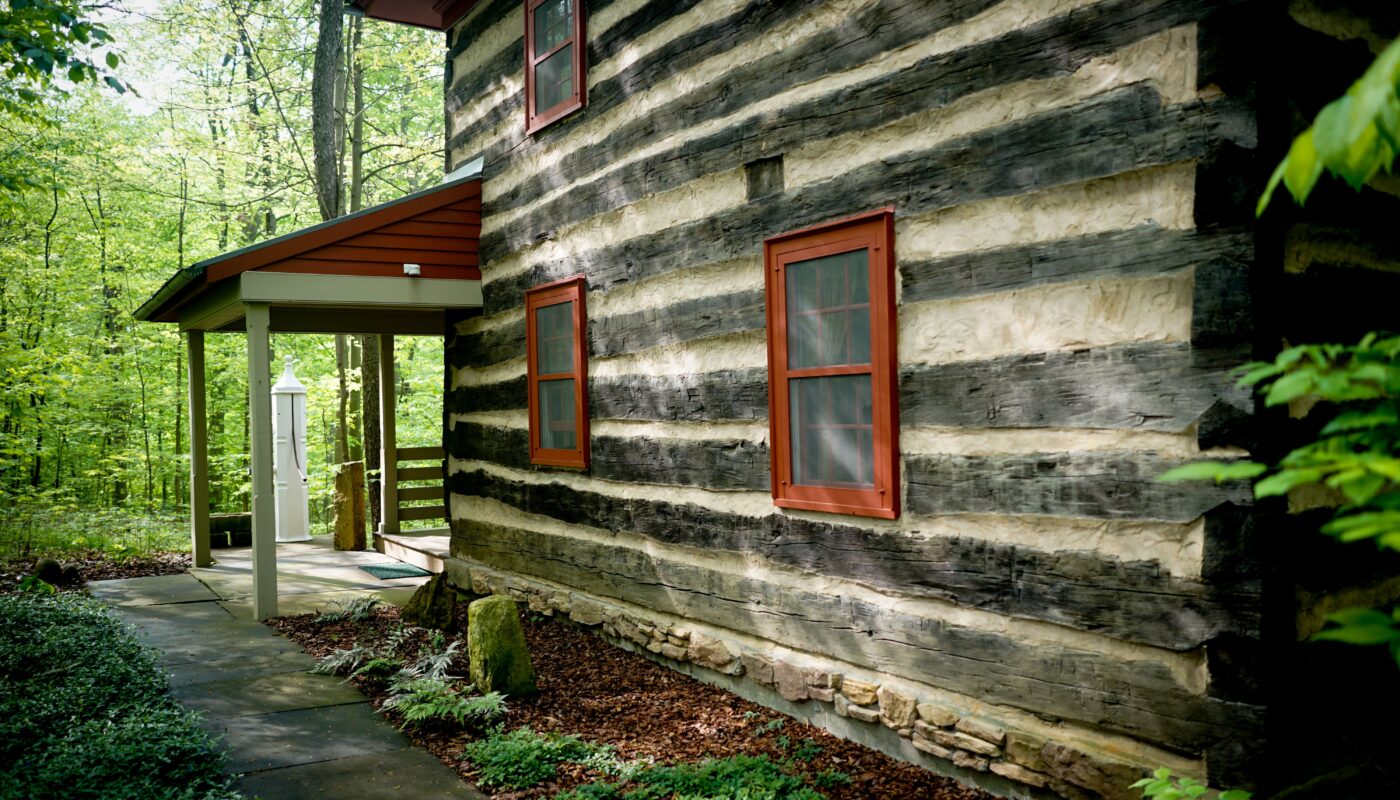
Alpbach is renowned for its uniformly beautiful wooden houses — built from local timber using traditional construction methods. Distinctive features include:

- Rich wood textures that age beautifully with time
- Carved balconies and ornate detailing
- Steep roofs designed for snowy winters
- Alpine chalets blended with Tyrolean flair
These characteristics make Alpbach ideal for architectural photography. Unlike modern glass or steel buildings, wooden structures have depth, warmth, and personality — attributes that translate beautifully into photographs.
However, wood is also tricky: lighting can flatten textures, shadows can hide detail, and angles can either reveal or obscure critical features. The goal is to showcase both structure and character, turning images of buildings into expressive visual stories.
Planning Your Photo Session: Where and When to Take Pictures
1. Choose the Best Time of Day
Light transforms wood. In Alpbach:

- Golden hour (early morning and late afternoon) gently warms wooden tones and highlights textures.
- Blue hour (just after sunset or before sunrise) creates dramatic silhouettes and deep color contrasts.
- Midday light can be harsh, flattening detail — but works well on overcast days when soft light evenly illuminates surfaces.
Pro tip: For repetitive patterns and rich tonal gradients in wood grain, aim for soft, directional light — such as in the hour after sunrise or before sunset.
2. Scout Key Locations Ahead of Time
While the entire village is photogenic, certain spots maximize architectural interest:
- Village center near the church, where traditional chalets cluster.
- Historic walkways and courtyards flanked by carved balconies.
- Elevated viewpoints overlooking rooftops against mountain peaks.
- Wooden barns and farmhouses on the outskirts, which embody rustic charm.
Use a mapping app to mark areas with interesting buildings — this helps you optimize time during changing light.
Essential Gear for Architectural Photography in Alpbach
You don’t need a high-end camera, but the right tools make a difference:
- Wide-angle lens (16–35mm on full-frame equivalent)
Captures entire buildings and context, especially in narrow streets. - Standard zoom (24–70mm)
Versatile for details and varied compositions. - Tripod
Useful for low-light shots, long exposures, and precise framing. - Polarizing filter
Reduces glare on wood and enhances sky contrast. - Remote shutter or timer
Minimizes blur for detailed architectural shots.
Smartphones with adjustable lenses and manual exposure control can also excel — especially when paired with a small tripod or gimbal.
Mastering Composition: Angles That Elevate Wooden Buildings
Great architecture photography isn’t just about capturing a building — it’s about telling its story. Here’s how to frame that story effectively:
1. Emphasize Texture Through Side Lighting
Wood’s beauty is in its surface — knots, grain patterns, and weathered tones. Position yourself so light grazes the facade, creating shadows that enhance depth.
- Look for strong side light rather than flat front light.
- This accentuates texture and makes wood appear tactile.
2. Showcase Details with Close-Up Shots
Zoom in on:
- Carved balcony railings
- Ornamental brackets
- Rustic doorways and hinges
- Window frames with flower boxes
These details convey craftsmanship and tell a more intimate visual story than wide shots alone.
3. Use Leading Lines and Frames
Architectural lines can guide the viewer’s eye:
- Capture shots where pathways or eaves draw attention into the scene.
- Use doorways, arches, or balconies as natural frames.
- Photograph façades at angles that reveal depth instead of flat frontal views.
4. Capture Symmetry and Patterns
Many Alpbach houses display symmetrical features — evenly spaced windows, repeating beams, and uniform rooflines.
- Symmetry works well when framed straight on.
- Patterns of wood grain or paneling create visual rhythm and texture.
5. Include Human or Natural Elements
A building alone is beautiful, but context adds life:
- Locals walking past a chalet
- Flowers on balconies
- Snow on rooftops or mountain peaks in the background
This interplay between architecture and environment brings richness to your images.
Creative Techniques to Enhance Your Photography
Here are advanced tips that go beyond basic composition:
1. Capture Reflections
After rain or during early snowmelt, puddles form in village streets. Low angles capturing reflections of wooden buildings can add depth and artistic interest.
2. Try Black & White for Texture
While warm wood tones are naturally appealing, black-and-white conversions can:
- Emphasize contrast and texture
- Eliminate distractions from bright colors
- Focus attention on form and shadow
Experiment with both color and monochrome to see what tells the stronger story.
3. Use Motion for Mood
Alpbach’s quiet streets become lively at certain hours. Instead of freezing movement:
- Try slightly slower shutter speeds to blur passing figures
- This conveys energy while the buildings remain sharp
4. Wide Panoramas for Architectural Context
In narrow alleys, frame multiple buildings together using panorama mode. This captures relationships between structures and provides a broader visual narrative.
Practical Tips to Solve Common Challenges
1. Dealing with Harsh Midday Sun
- Look for shaded areas or take advantage of cloud cover.
- If sunlight is unavoidable, expose for highlights to preserve detail in wood grain.
2. Shooting in Crowded Areas
Early morning is best. If people are present:
- Use wider apertures to blur background movement
- Or embrace people as part of the scene for lifestyle shots
3. Balancing Exposure Between Sky and Building
Wood gains character under depth of tone, but bright skies can wash out:
- Use graduated neutral density filters
- Shoot bracketed exposures and blend in post-processing
Post-Processing: Polishing Your Architectural Photos
Editing enhances your storytelling but should reflect reality, not distort it.
1. Adjust Texture and Clarity
Increase clarity slightly to accentuate wood detail. Be cautious: too much can create unnatural sharpness.
2. Correct Perspective
In wide-angle photos, vertical lines may converge. Lens correction tools help straighten façades and doors.
3. Fine-Tune Colors
Enhance wood’s warm hues modestly:
- Boost yellow and orange tones
- Keep greens (surrounding grass and trees) natural
4. Keep Shadows Balanced
Wood has natural shadows — don’t eliminate them completely. Instead, ensure shadows retain detail rather than falling into black.
Storytelling Through Your Images: What to Communicate
Photography is more than documentation. Ask yourself:
- What feeling does this building evoke?
- Does this photo capture cultural identity or quiet life?
- How does the architecture relate to its environment?
A photo becomes memorable when it conveys emotion — whether it’s rustic serenity, architectural harmony, or the interplay between people and place.
Putting It All Together: Sample Photography Itinerary
Here’s a suggested approach for a full day of capturing Alpbach’s wooden architecture:
Early Morning
- Golden hour shots of rooftops and alley facades
- Wide environment photos with mountain backdrops
Late Morning
- Detail work on balconies, window frames, and carved woodwork
- Close-up texture studies
Afternoon
- Explore shaded courtyards and barns on village outskirts
- Motion blur shots with passing figures
Evening / Blue Hour
- Silhouettes against dramatic skies
- Warm interior light spilling over window woodwork
Night
- Experiment with low light and illuminated wooden exteriors
Conclusion: Turning Alpbach’s Wooden Architecture into Timeless Photographs
Alpbach’s charm lies in its harmonious mix of tradition, craftsmanship, and alpine beauty. To capture this in photographs requires:
- An understanding of light and shadow
- A focus on texture and detail
- Creative use of composition and perspective
- A storytelling mindset that goes beyond simply photographing buildings
With these tips and angles, every photographer — beginner or advanced — can return home with images that not only document Alpbach’s wooden architecture but also express its spirit.