 by
by Tucked along the banks of the Inn River and framed by the dramatic peaks of the Austrian Alps, Rattenberg feels less like a town and more like a storybook illustration brought to life. Known as Austria’s smallest town by population, this charming Tyrolean gem proves that size has nothing to do with character. With its cobbled streets, pastel-colored medieval buildings, glassblowing heritage, and mountain views, Rattenberg offers a travel experience that is intimate, authentic, and wonderfully atmospheric.
Rattenberg offers a unique experience for tourists looking for history, art, culture, and alpine landscape in a location they can traverse in a matter of minutes: a place where the past becomes tangible.
A Town Frozen in Time
The first impression of Rattenberg is visual. The town’s compact center is almost entirely pedestrian, which means no traffic noise — just the sound of footsteps on stone and the soft murmur of conversations drifting from cafés. Its architecture reflects centuries of history, with narrow streets flanked by Gothic and Baroque façades painted in warm yellows, soft pinks, and muted greens.

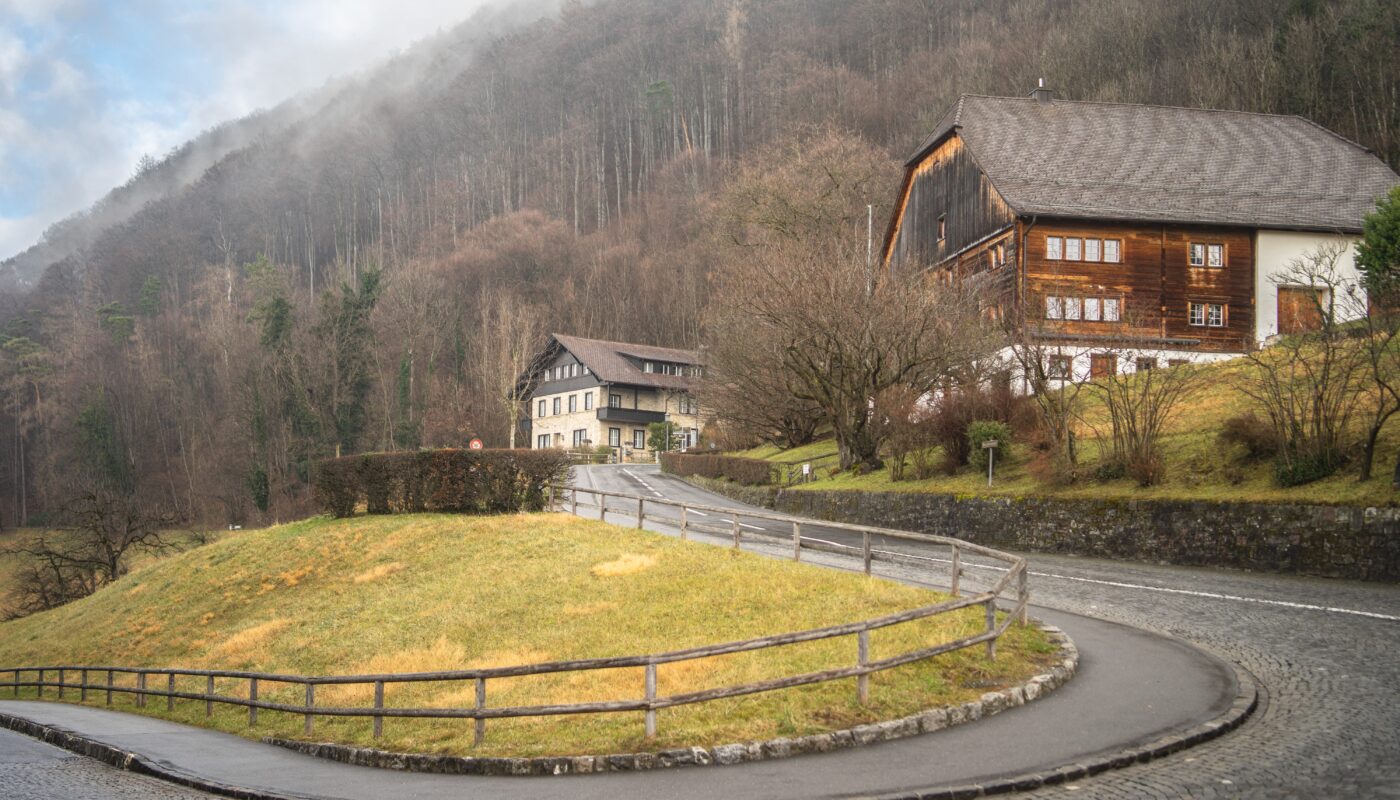
Rattenberg’s small size is not an accident of geography alone. The town sits squeezed between the Inn River on one side and a steep, forested mountainside on the other. There was simply no room to expand over the centuries, and that limitation became its charm. Instead of spreading outward, Rattenberg preserved its dense medieval core, which today makes walking through it feel like stepping into another era.
A Glimpse into History
Rattenberg’s origins date back to the Middle Ages, when its location along trade routes made it strategically important. Merchants traveling through the region stopped here, bringing commerce and prosperity. Its defensive position — protected naturally by terrain — made it valuable, and a castle was built above the town to guard the area.
The ruins of Rattenberg Castle, perched on the hillside, still overlook the rooftops below. Although much of the structure is now in ruins, the site remains a scenic viewpoint and a reminder of the town’s once-significant military and economic role. Walking up the path toward the ruins offers panoramic views of the Inn Valley and surrounding mountains — a perspective that helps visitors understand why this tiny settlement once mattered so much.

The Heart of Austrian Glass Craft
If Rattenberg is famous for one thing above all else, it’s glass. The town has built a reputation as a center of glassmaking and glass art, and this tradition defines its identity today. As you stroll down the main street, you’ll see storefronts brimming with modern glass sculptures, delicate ornaments, hand-blown vases, and brilliant crystal items.
Glassblowing workshops and galleries invite visitors inside to see the craft up close. Watching artisans shape glowing molten glass into elegant forms is mesmerizing. The process feels both ancient and magical — fire, breath, and skill transforming raw material into something beautiful and precise.
Many shops sell both traditional Austrian crystal and contemporary glass art, making Rattenberg a unique place to pick up a meaningful souvenir. Instead of mass-produced trinkets, you’re likely to leave with something handcrafted, carrying the spirit of the town’s artistic heritage.
Charming Streets and Hidden Corners
Because Rattenberg is so small, the joy of visiting lies in slowing down. There’s no checklist of must-see landmarks to rush through. Instead, exploration is about wandering.
Side alleys lead to tiny courtyards where flower boxes spill color from windowsills. Old signs hang above doors, some marking businesses that have operated here for generations. The ideal places to enjoy coffee while taking in the medieval surrounds are cafés with outside seats.
The town square is a peaceful focal point, often hosting small events or simply serving as a gathering place. The atmosphere is relaxed, and it’s easy to imagine what life must have been like centuries ago when traders, craftsmen, and townspeople moved through the same narrow streets.
Culture in a Compact Space
Despite its size, Rattenberg has a cultural presence that surprises many visitors. Historic buildings house small museums and exhibition spaces that highlight regional art, local history, and traditional crafts.
Churches in the town add to its historic richness, featuring ornate interiors and centuries-old design elements. These quiet spaces provide moments of reflection and showcase the artistic devotion of earlier generations.
Throughout the year, Rattenberg also hosts events that bring the town to life in special ways. Markets, craft demonstrations, and seasonal celebrations add layers of local culture. Because of the town’s compact layout, these events feel especially intimate — visitors aren’t just spectators but part of the experience.
Surrounded by Alpine Beauty
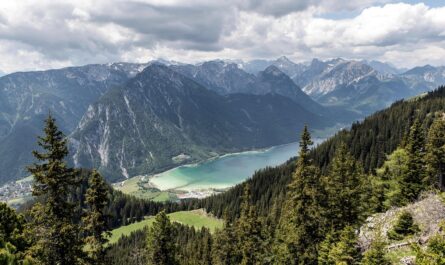
While Rattenberg itself is tiny, its surroundings are anything but small. The town sits in the Tyrol region, known for its dramatic landscapes. Mountains rise sharply nearby, and the Inn River adds movement and light to the scenery.
Outdoor enthusiasts can use Rattenberg as a base for exploring the area. Walking paths and cycling routes follow the river, while hiking trails lead into the hills and mountains beyond. From gentle valley strolls to more challenging alpine routes, the natural setting offers something for every level of adventurer.
The changing seasons transform the scenery. In summer, green slopes and clear skies dominate. In autumn, forests glow with golden tones. Winter brings snow-dusted rooftops and a cozy alpine atmosphere, while spring adds fresh color and flowing water from melting snow.
A Photographer’s Dream
For photography lovers, Rattenberg is packed with visual appeal. The contrast between medieval architecture and towering mountains creates dramatic compositions. Early morning light gives the buildings a soft glow, while sunset can paint the sky in warm hues above the rooftops.
Details matter here. Carved doorways, iron signs, colorful shutters, and reflections in shop windows all provide interesting subjects. Even the simple act of walking down the main street can feel like moving through a carefully arranged scene.
Because the town is small and mostly car-free, it’s easy to capture photos without modern distractions dominating the frame.
Food, Comfort, and Atmosphere
Though compact, Rattenberg has inviting places to eat and relax. Traditional Austrian dishes, pastries, and coffee are easy to find. Sitting in a cozy restaurant surrounded by centuries-old walls adds depth to the dining experience.
The pace here encourages lingering. Meals aren’t rushed, conversations stretch, and the atmosphere feels warm and welcoming.
Why Rattenberg Leaves a Big Impression
What makes Rattenberg special isn’t just its size — it’s the way everything feels connected. History, craft, architecture, and nature exist side by side within a space you can cross in minutes. The town invites visitors to slow down, notice details, and appreciate heritage that hasn’t been overshadowed by modern development.
It’s a place where you don’t need a packed itinerary. Simply being there — walking, observing, and absorbing the atmosphere — is enough.
Final Thoughts
Rattenberg proves that small places can hold immense richness. With its medieval streets, glassmaking tradition, castle ruins, and alpine setting, it offers a travel experience that feels personal and authentic. Rather than overwhelming visitors with scale, it draws them in with intimacy.
In a world of sprawling cities and crowded attractions, Rattenberg stands out by doing the opposite. It stays small, preserves its character, and welcomes travelers into a world where history glimmers in glass windows and mountains rise just beyond the rooftops.