 by
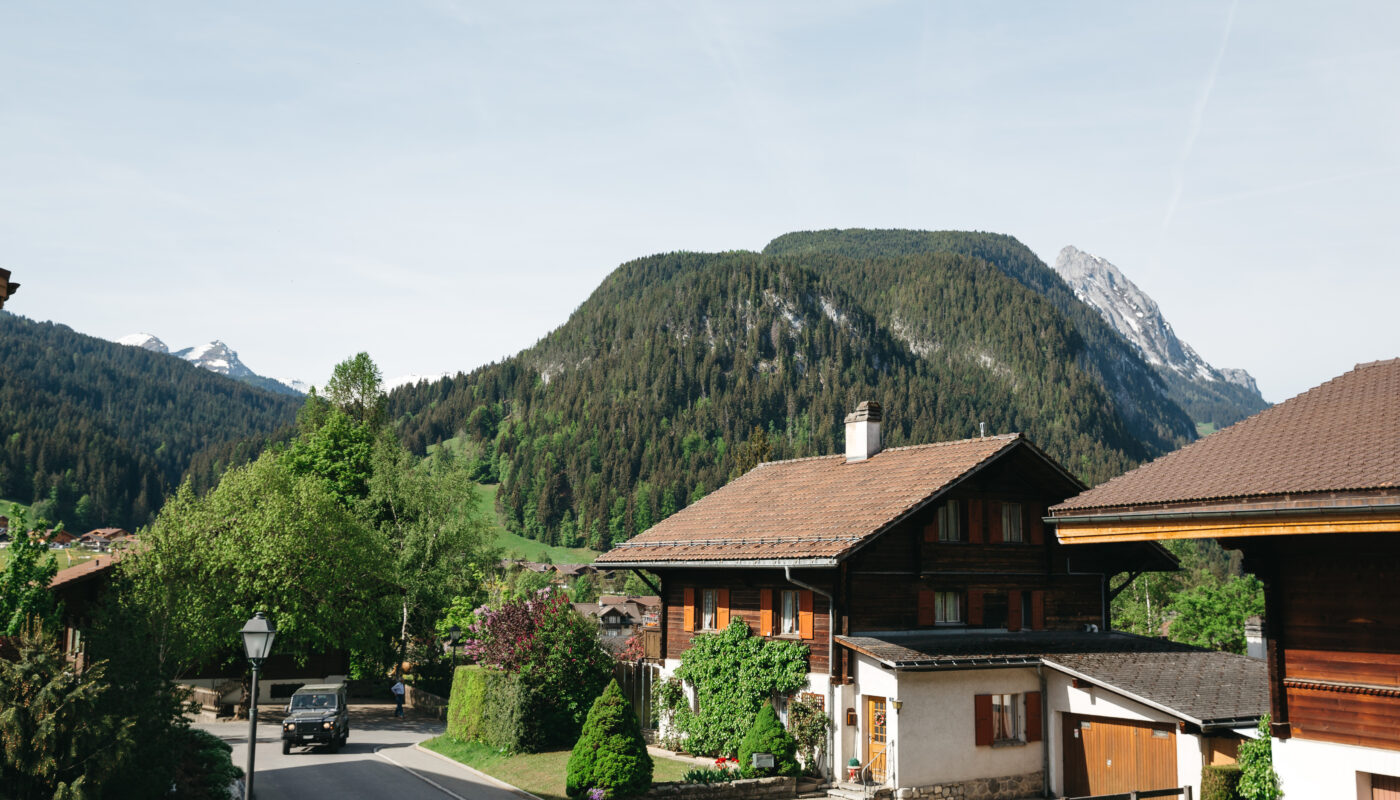
by Alpbach — often called “Austria’s most beautiful village” — is a picture-perfect Alpine destination known for its wooden chalets, flower-filled balconies, and stunning mountain scenery. A lesser-known but equally compelling part of Alpbach’s appeal is its growing focus on sustainable tourism. As travelers become more environmentally conscious, eco-lodges have emerged as a popular accommodation choice for those seeking comfort, connection with nature, and responsible travel.
In this article, we explore the world of eco-lodges in Alpbach — what they are, why they matter, and what guests can expect when booking these unique stays.
What is an Eco-Lodge?
Before diving into specifics in Alpbach, it’s helpful to define what an eco-lodge actually means.

An eco-lodge is more than just a hotel with a scenic view. It’s an accommodation designed to:
- Minimize environmental impact
- Support local culture and economy
- Promote sustainable practices
- Encourage meaningful connection with nature
Unlike conventional hotels that prioritize scale and amenities alone, eco-lodges aim for a balance between comfort and environmental responsibility. In Alpbach, this often translates into buildings that blend with the village’s architectural charm while implementing thoughtful ecological systems.
Why Eco-Lodges Matter in Alpbach
Alpbach’s landscapes — lush alpine meadows, dense forests, and sparkling water bodies — make environmental preservation essential. Tourism brings economic benefits but also pressures natural resources and local infrastructure. Eco-lodges help mitigate this by:

1. Reducing Ecological Footprint
By using renewable energy sources, water-saving systems, and eco-friendly materials, eco-lodges reduce waste and energy consumption.
2. Supporting Local and Traditional Practices
Many eco-lodges partner with local farmers, artisans, and guides, helping sustain traditional Alpbach culture.
3. Enhancing Visitor Awareness
Eco-lodge guests often receive educational materials or guided experiences that increase awareness of environmental issues and responsible travel.
The result? A more sustainable tourism model that benefits residents, preserves the landscape, and enriches the guest experience.
Key Features of Eco-Lodges in Alpbach
While each eco-lodge can differ in style and emphasis, most share a suite of common features that distinguish them from traditional hotels.
1. Sustainable Building Materials
Eco-lodges prioritize the use of environmentally friendly construction materials such as:
- Locally sourced wood
- Natural stone
- Low-impact insulation materials
- Non-toxic paints and finishes
In Alpbach, where traditional wooden architecture defines the village’s appearance, sustainable materials often enhance aesthetic harmony rather than compromise it.
2. Energy Efficiency and Renewable Power
Energy use is one of the biggest contributors to an accommodation’s carbon footprint. Eco-lodges combat this through:
- Solar panels for heating and electricity
- Smart heating systems with insulation optimization
- LED and low-energy lighting throughout the property
- Use of renewable energy suppliers when possible
These measures reduce energy use and lower greenhouse gas emissions while maintaining guest comfort.
3. Water Conservation Features
Water scarcity can be a concern even in alpine regions. Eco-lodges minimize waste by implementing:
- Low-flow showerheads and faucets
- Dual-flush toilets
- Rainwater harvesting systems
- **Greywater recycling for landscaping
Guests usually find clear signage and information that explains how to use these systems responsibly.
4. Waste Reduction and Recycling Programs
Reducing waste is essential for environmental sustainability. Eco-lodges in Alpbach often maintain:
- Clearly labeled recycling stations
- Composting systems for organic waste
- Minimal use of single-use plastics
- Refillable toiletry stations instead of disposable bottles
These simple yet effective strategies keep trash volumes low and help maintain Alpbach’s pristine environment.
5. Integration With Nature
Rather than dominating the landscape, eco-lodges are designed to:
- Complement their surroundings
- Preserve natural features
- Offer unobstructed views of the Alps
- Provide easy access to nature trails and outdoor areas
Some eco-lodges incorporate natural elements into their design, such as green roofs, living walls, or outdoor seating nestled within native foliage.
6. Locally Inspired Dining and Gastronomy
Food is a major part of any travel experience. Eco-lodges often emphasize:
- Locally sourced ingredients
- Organic produce
- Seasonal menus
- Partnership with regional farms and producers
This not only reduces food miles but also celebrates Alpine culinary traditions — from hearty Tyrolean stews to freshly baked breads and cheese made in nearby villages.
7. Cultural and Environmental Education
Eco-lodges often aim to teach as well as host. Guests might enjoy:
- Guided nature walks
- Workshops on local flora and fauna
- Cultural storytelling sessions
- Yoga or mindfulness in natural settings
These experiences help deepen appreciation for Alpbach’s alpine ecosystem and cultural heritage.
Benefits of Staying in an Eco-Lodge
Staying in an eco-lodge offers more than just a sustainable choice — it comes with a range of personal and environmental benefits.
1. Reduced Environmental Impact
Eco-lodges help minimize the ecological footprint of your stay. By choosing one, you actively support responsible resource use, reduced energy consumption, and waste management systems that protect fragile mountain ecosystems.
2. Enhanced Connection to Nature
Eco-lodges are frequently found close to forest routes, hiking trails, and picturesque viewpoints. These lodges encourage guests to experience Alpbach’s natural beauty firsthand — whether it’s watching sunrise over a ridge, listening to birdsong at dawn, or stargazing after dark.
3. Health and Wellness Benefits
Many eco-lodges prioritize wellness through:
- Natural materials that improve indoor air quality
- Quiet, pollution-free environments
- Holistic activity offerings
- Organic and nutrient-rich local food
This can lead to both physical and mental rejuvenation — especially for travelers escaping busy urban environments.
4. Authentic Local Experiences
Unlike standardized international hotel chains, eco-lodges often integrate local traditions, craftsmanship, and regional culture into the guest experience. This might include:
- Handcrafted furniture
- Traditional Tyrolean textiles
- Local storytelling and history
- **Partnerships with community artisans
Travelers get a more meaningful and memorable connection to place.
5. Supporting the Local Economy
By choosing an eco-lodge, guests help support:
- Local farmers
- Artisans
- Guides and outdoor educators
- Small-business suppliers
This keeps tourism revenue within the community and promotes sustainable economic growth.
What to Expect From Eco-Lodge Experiences in Alpbach
Understanding what to expect can help you select the right eco-lodge and plan your stay accordingly.
1. A Focus on Slow Travel
Eco-lodge stays often encourage slowing down — savoring your surroundings rather than packing activities into a tight schedule. This means:
- Long breakfasts with local ingredients
- Hikes without time pressure
- Relaxation zones with panoramic views
- Space for reflection and digital detox
This approach enriches your experience and aligns with sustainable tourism principles.
2. Practical Amenities With a Green Twist
Eco-lodges still offer comfort, but with thoughtful sustainable alternatives. Expect:
- Refillable toiletries
- Energy-efficient heating
- Bicycle rentals instead of cars
- Communal lounges that encourage social exchange
Amenities might differ from conventional hotels, but they’re designed to minimize waste without compromising experience.
3. Meaningful Activities and Immersive Programs
Many eco-lodges organize environmentally focused activities such as:
- Guided wildlife observation
- Forest bathing (Shinrin-yoku)
- Local cooking classes
- Sustainable gardening or beekeeping tours
These activities are not just entertainment — they foster ecological understanding and respect for alpine landscapes.
4. Community Engagement and Cultural Exchange
Some eco-lodges support local schools, community events, or cultural festivals. Guests might have opportunities to:
- Attend local music performances
- Meet artists and craftsmen
- Participate in village celebrations
This community engagement enriches cultural immersion and makes your stay more rewarding.
Tips for Choosing the Right Eco-Lodge in Alpbach
With multiple sustainable options available, here are criteria to help you choose:
1. Ask About Certifications and Standards
Look for eco-certifications or sustainability ratings. These provide third-party validation of environmental claims.
2. Review Operational Practices
Ask how the lodge:
- Manages water and energy use
- Handles waste and recycling
- Sources food and materials
- Supports local community initiatives
Transparent practices signal genuine commitment.
3. Check Accessibility and Transportation Options
Some eco-lodges encourage guests to use public transport, electric shuttles, or bicycles. Ask about:
- Proximity to bus/train stops
- Shuttle services
- Bike rental availability
Sustainable transport adds to your low-impact journey.
4. Read Guest Reviews With Sustainability in Mind
Look for mentions of:
- Quiet, nature-oriented atmosphere
- Environmentally conscious staff
- Guided eco-activities
- Local food quality
These insights help set realistic expectations.
Conclusion
Eco-lodges in Alpbach represent a thoughtful blend of comfort, sustainability, and cultural authenticity. Far from being a niche trend, they offer a forward-thinking model for tourism — one that protects the environment, strengthens local communities, and enriches traveler experiences.
Whether you’re drawn to:
- Wildlife and walking trails
- Organic culinary journeys
- Education about alpine ecosystems
- Peaceful nights under starry skies
An eco-lodge in Alpbach can elevate your stay from a simple vacation to a meaningful, mindful experience.
By choosing sustainable accommodations, you not only protect the natural beauty of the Alps but also take part in a global movement toward responsible travel — one stay at a time.