 by
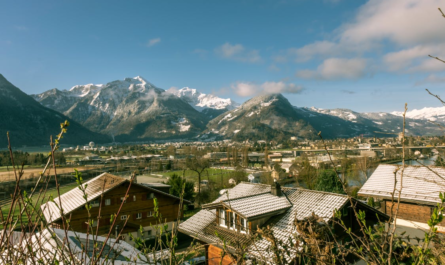
by Nestled high in the Austrian Alps, the village of Alpbach is often celebrated for its harmonious wooden architecture, alpine traditions, and intellectual life shaped by the European Forum Alpbach. Yet long before scholars, travelers, and tourists arrived, Alpbach’s identity was molded by a quieter but far more enduring force: Christianity. From shaping daily routines and moral values to influencing settlement patterns, education, and communal bonds, Christianity played a decisive role in Alpbach’s early development.
This article explores how Christian belief and institutions helped transform Alpbach from a remote alpine settlement into a cohesive, culturally resilient community whose traditions still echo today.
1. Alpbach Before Christianity: Life in Isolation
Before Christianity reached the alpine valleys, Alpbach existed as a sparsely populated mountain settlement. Early inhabitants lived primarily through subsistence farming, animal husbandry, and seasonal survival strategies shaped by harsh winters and limited arable land. Geographic isolation defined everyday life. Travel beyond the valley was difficult, and communication with neighboring regions was rare.

Social organization in this early period was informal and largely family-based. Customs were shaped by nature, weather cycles, and inherited local traditions. While these early systems allowed for survival, they lacked the shared institutional framework that would later unify the community.
Christianity did not simply introduce a new faith—it brought structure, continuity, and shared meaning to a landscape where isolation was the norm.
2. The Arrival of Christianity in the Alpine Valleys
Christianity entered the Alpine region gradually, spreading through missionary efforts rather than conquest. Traveling monks, priests, and religious figures moved through valleys and mountain passes, offering spiritual teaching alongside practical knowledge.

For communities like Alpbach, Christianity represented:
- A shared belief system that transcended family boundaries
- A moral code that shaped behavior and conflict resolution
- A connection to a wider spiritual and cultural world
Rather than replacing local customs entirely, early Christian influence often merged with existing traditions, allowing villagers to adopt new beliefs without abandoning their way of life. This adaptability made Christianity particularly suited to isolated alpine regions.
3. The Church as the Center of Community Life
One of Christianity’s most significant contributions to Alpbach’s development was the establishment of a central place of worship. The church was far more than a religious building—it became the heart of village life.
Spiritual Anchor
Regular worship provided a rhythm to daily and seasonal life. Sundays, feast days, and religious festivals punctuated the year, offering structure in an environment otherwise governed by unpredictable weather and agricultural demands.
Social Gathering Point
The church was often the only place where the entire community gathered at once. These gatherings fostered:
- A shared village identity
- Opportunities for communication and cooperation
- Strong interpersonal bonds across families
In a small alpine settlement, this sense of unity was essential for survival.
4. Christianity and Moral Order
Christian teachings helped establish a shared moral framework that guided behavior within the community. Concepts such as honesty, charity, humility, and responsibility toward others became deeply embedded in village life.
This moral structure supported:
- Fair distribution of shared resources
- Mutual aid during illness, harsh winters, or poor harvests
- Respect for communal decisions
Religious leaders often acted as moral authorities, mediators, and advisors. Their role was especially important in a time when formal legal institutions were distant or nonexistent.
5. Education and Knowledge Transmission
Christian influence also contributed to early forms of education in Alpbach. While formal schooling was limited, churches played a role in teaching:
- Basic literacy
- Religious texts and prayers
- Moral instruction
Even limited education had lasting effects. Literacy enabled record-keeping, preserved family histories, and strengthened communication with surrounding regions. Over time, this foundation supported Alpbach’s later openness to intellectual exchange and cultural dialogue.
6. Christian Rituals and Seasonal Life
Life in Alpbach revolved around the seasons, and Christianity became closely tied to agricultural rhythms.
Religious Calendar and Farming
Christian festivals aligned naturally with farming cycles:
- Spring celebrations reflected renewal and hope
- Harvest festivals expressed gratitude for abundance
- Winter observances provided comfort during isolation
These rituals gave spiritual meaning to physical labor and reinforced the idea that survival depended not only on effort, but also on faith and community cooperation.
Blending Faith and Tradition
Rather than erasing older customs, Christianity absorbed local practices, creating traditions unique to the alpine environment. This blending strengthened cultural continuity and helped ensure long-term acceptance of Christian beliefs.
7. Architecture and the Sacred Landscape
Christianity influenced how Alpbach’s physical environment developed.
Sacred Landmarks
Churches, chapels, and roadside shrines transformed the landscape into a spiritually meaningful space. These landmarks served as:
- Points of orientation
- Places for prayer during travel or farm work
- Symbols of protection and blessing
Village Layout
Homes and paths often developed around religious sites, reinforcing the church’s role as a central anchor. Over time, this spatial organization shaped the village’s recognizable layout.
8. Community Solidarity and Mutual Support
In alpine regions, survival depended on cooperation. Christianity reinforced this necessity by promoting communal responsibility.
Villagers supported one another through:
- Shared labor during planting and harvest
- Collective care for the sick and elderly
- Assistance during natural disasters or food shortages
Religious teachings framed these acts not merely as practical necessities, but as moral obligations. This mindset strengthened trust and reduced internal conflict.
9. Stability During Economic and Social Change
As Alpbach experienced economic shifts—from agriculture to mining and later tourism—Christian institutions provided stability.
The church remained constant even as livelihoods changed. This continuity:
- Preserved traditions during uncertain periods
- Offered emotional reassurance during hardship
- Helped integrate newcomers into the community
Christian values emphasized patience, resilience, and hope, qualities that allowed the village to adapt without losing its identity.
10. Christianity and Cultural Identity
Over generations, Christianity became inseparable from Alpbach’s cultural identity.
Its influence can be seen in:
- Music and choral traditions
- Festivals and communal celebrations
- Storytelling and local customs
- Artistic expressions and symbolism
Even as society modernized, these elements provided a sense of continuity linking past and present.
11. Enduring Influence in Modern Alpbach
Today, Alpbach is known as a place of dialogue, reflection, and international exchange. While modern life is more secular, the village’s Christian heritage continues to shape its character.
Core values such as:
- Hospitality
- Respect for others
- Community responsibility
- Cultural preservation
all trace their roots to centuries of faith-centered communal living.
The emphasis on thoughtful discussion and ethical responsibility—hallmarks of events like the European Forum Alpbach—reflect deeper traditions formed long before the modern era.
12. Conclusion: Faith as a Foundation
Christianity’s influence on Alpbach was neither superficial nor temporary. It shaped the village’s social structures, moral values, spatial organization, and cultural continuity. In an isolated alpine setting, faith provided meaning, order, and connection to a broader world.
By guiding how people lived, worked, celebrated, and supported one another, Christianity helped transform Alpbach into a resilient, unified community—one capable of preserving its identity while embracing change.
Understanding this religious foundation offers deeper insight into why Alpbach remains not only beautiful, but culturally rich and socially cohesive. The village’s early Christian heritage continues to echo through its traditions, architecture, and collective spirit, reminding us that faith once served as both compass and cornerstone in the heart of the Alps.