 by
by Alpbach is often admired for its harmonious wooden houses, flower-filled balconies, and postcard-perfect Alpine setting. Visitors come for mountain air, hiking trails, and timeless village charm. Yet beneath this beauty lies a quieter, more contemplative layer of history — one written not in guidebooks, but in stone, iron, and soil. The old cemeteries of Alpbach are among the most revealing historical spaces in the village, offering rare insight into how earlier generations lived, believed, endured hardship, and understood their place in the world.
Far from being somber or forgotten spaces, these burial grounds function as open-air historical records, preserving centuries of cultural values, family structures, craftsmanship, and spiritual traditions. To walk through an old cemetery in Alpbach is to step into a dialogue with the past — one that speaks softly, but clearly, to those willing to observe.
Cemeteries as Mirrors of Alpine Village Life
In small mountain communities like Alpbach, cemeteries have always played a central role. Unlike large urban graveyards, village cemeteries were deeply intertwined with daily life. The same people who farmed the fields, tended livestock, raised families, and built homes were laid to rest just steps from where village life continued.

This closeness reflects an Alpine worldview where life and death were not sharply separated, but understood as part of a continuous cycle. Generations lived close together — and so did generations rest together.
Alpbach’s cemeteries reveal:
- A community rooted in long family continuity
- A deep connection to faith and ritual
- Strong respect for craft, symbolism, and memory
- The effects of hard climate, labor, and historical upheaval
Each gravestone, no matter how modest, contributes to a broader historical narrative.

The Churchyard Cemetery: Spiritual and Social Center
The primary historic burial ground in Alpbach surrounds the village church, a location chosen not by chance. In traditional Tyrolean belief, burial near the church offered spiritual protection and closeness to sacred ground. This practice shaped the physical layout of the cemetery and reflected social structures within the village.
Older graves are often clustered closer to the church walls, while newer sections extend outward. This spatial arrangement quietly documents:
- The growth of the village population
- Shifts in burial practices over time
- Changing attitudes toward space, land use, and memorial design
The cemetery thus becomes a map of social evolution, not just a resting place.
Family Names That Span Centuries
One of the most striking features of Alpbach’s old cemeteries is the repetition of surnames across decades — sometimes centuries. These recurring names point to the stability of family lines and the long-term settlement patterns typical of Alpine valleys.
In earlier centuries, leaving the valley was rare. Land, homes, and responsibilities were inherited, not abandoned. As a result:
- Families often occupied the same farms for generations
- Marriage occurred within neighboring communities
- Burial plots were reused and maintained within families
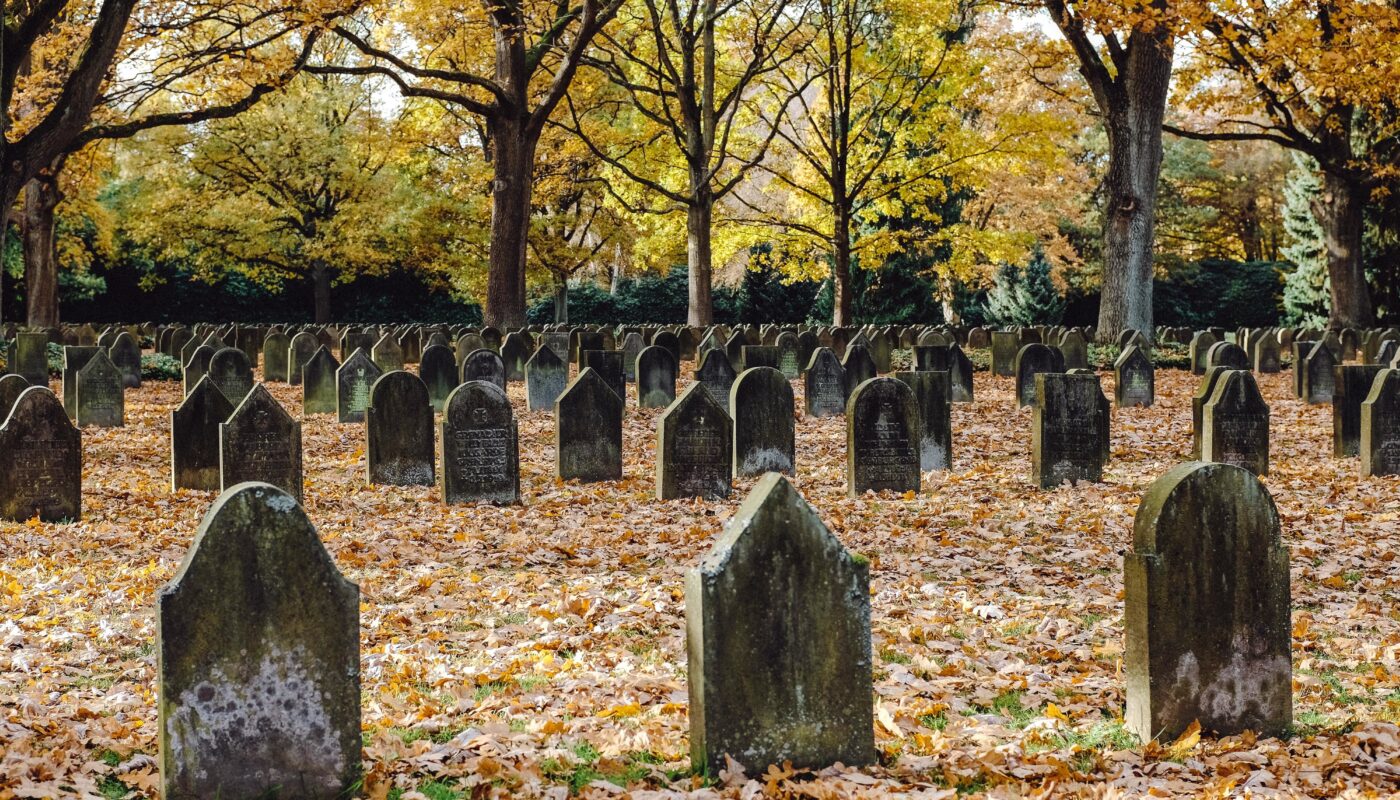
This continuity is visible in the cemetery, where gravestones bearing the same surname appear in close proximity, forming family narratives carved in stone.
What Gravestone Materials Tell Us
The materials used in Alpbach’s cemeteries offer clues about economic conditions, local resources, and craftsmanship traditions.
Wood and Iron
Older graves frequently feature wrought-iron crosses, often hand-forged by local smiths. These crosses were not mass-produced; each one reflected the skill of its maker and the family’s means. Their survival through harsh Alpine winters is a testament to both craftsmanship and care.
Wooden markers, once common, have largely disappeared due to weathering — reminding us that absence itself is part of history.
Stone
Stone gravestones became more common as transportation improved and economic conditions stabilized. The quality and size of stone markers vary, quietly reflecting differences in wealth, status, or timing.
Together, these materials show how technological and economic changes reached even remote villages like Alpbach.
Symbols of Faith, Nature, and Daily Life
Cemetery symbolism reveals what mattered most to the people of Alpbach.
Common motifs include:
- Crosses and crucifixes, reflecting deep Catholic faith
- Floral carvings, symbolizing rebirth and the fragility of life
- Hearts, representing family bonds and devotion
- Angels, seen as guides between earthly life and the afterlife
These symbols were not chosen lightly. They expressed beliefs shared across generations — beliefs shaped by a life lived close to nature, under unpredictable weather, and dependent on community cooperation.
In a village where survival often depended on faith, weather, and mutual support, symbolism became a way to express hope beyond hardship.
Life Expectancy and the Rhythm of Loss
Dates carved into gravestones reveal sobering truths about life in earlier Alpine communities. Many individuals died young by modern standards. Infant mortality, childhood illness, accidents, and harsh winters were constant threats.
Patterns emerge when observing groups of graves:
- Multiple deaths within the same year or decade
- Entire families affected within short periods
- Short lifespans during particularly difficult eras
These patterns remind us that Alpbach’s beauty today was built on generations who endured significant physical and emotional hardship.
The cemetery thus documents resilience as much as loss.
Women, Work, and Memory
Women’s graves often tell quieter but equally important stories. Inscriptions sometimes highlight roles such as:
- Devoted mothers
- Wives and caregivers
- Keepers of home and faith
While men’s occupations may occasionally be mentioned, women’s labor — though essential — was rarely formalized in text. Yet the sheer number of graves honoring women across generations speaks to their central role in sustaining family and village life.
Reading these memorials helps modern visitors recognize the invisible labor that shaped Alpbach’s survival.
Moments When Global History Reached the Valley
Although Alpbach feels remote, its cemeteries reveal moments when global events touched the village deeply.
Memorial stones and inscriptions reflect:
- Losses connected to military service
- Periods of political upheaval
- Shifts in identity during changing national borders
These markers remind us that no village exists in isolation. Even in the mountains, the tides of history reached every household.
The Cemetery as a Living Place
Importantly, Alpbach’s cemetery is not a relic — it remains a living space of remembrance. Families continue to care for graves, decorate them with flowers, and visit regularly. Seasonal traditions bring renewed attention to ancestors and shared memory.
This ongoing care reflects a cultural belief that:
- The dead remain part of the community
- Memory is a responsibility, not a burden
- Respect for ancestors strengthens identity
The cemetery remains woven into village life, not separated from it.
How the Landscape Shapes Burial Culture
Alpbach’s mountainous environment shaped burial practices in practical ways. Limited flat land required careful planning. Steep slopes influenced layout. Harsh winters demanded durable materials.
The cemetery’s design reflects adaptation:
- Compact organization
- Strong materials
- Orientation influenced by sunlight and terrain
These choices illustrate how geography shapes culture, even in death.
Why Cemeteries Matter for Understanding Alpbach
For travelers seeking more than surface-level beauty, Alpbach’s old cemeteries offer rare depth. They reveal:
- How families endured generations of change
- What values remained constant
- How art, faith, and memory intertwined
- How a small village preserved its identity
Cemeteries speak honestly — without romanticism or exaggeration — about what life truly required in the Alps.
Visiting with Respect and Awareness
When exploring these spaces, visitors should:
- Walk quietly and mindfully
- Avoid touching or stepping on graves
- Refrain from photographing recent memorials
- Treat the cemetery as a place of reflection, not curiosity
Respect deepens understanding and honors those whose lives shaped the village.
Conclusion: Stone Pages of an Unwritten History
Alpbach’s old cemeteries are not silent. They speak through names, symbols, materials, and patterns — telling stories of endurance, belief, loss, and continuity. They reveal how a mountain community understood life, death, and responsibility across centuries.
To visit these cemeteries is to read history without intermediaries — no museum glass, no curated narration. Just stone, iron, and memory.
For those willing to look beyond the scenic surface, Alpbach’s cemeteries offer something rare: an unfiltered conversation with the past, quietly preserved in the heart of the Alps.
If you’d like, I can now: